Workforce Readiness Challenge for College Athletes

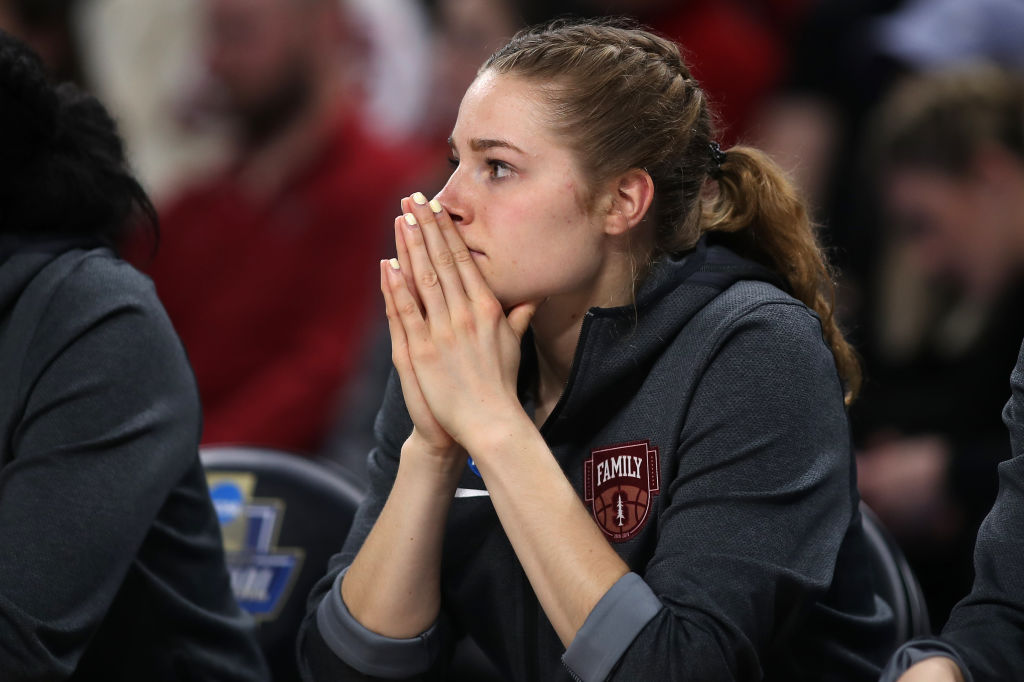
College athletes often face unique challenges that hinder their ability to be fully prepared for the workforce upon graduation. While their dedication to sports cultivates valuable skills like discipline, teamwork, and perseverance, the demanding schedules that include practices, games, and travel significantly limit their opportunities to participate in internships, part-time jobs, and networking events essential for career development. As a result, many student-athletes find themselves at a disadvantage when entering the job market, having focused primarily on sports at the expense of academic and professional growth.
The Demanding Life of a College Athlete
College athletes commit an extraordinary amount of time and energy to their sport. This commitment involves early morning practices, daily training sessions, weekend games, and frequent travel for competitions. Balancing these responsibilities with academic coursework is a formidable task, leaving little room for activities outside of sports and studies.
Time Constraints
The time constraints faced by student-athletes are significant. A typical day for a college athlete starts early and ends late, with a schedule packed with workouts, classes, team meetings, and study sessions. The rigorous demands of their sport often require athletes to travel extensively, missing classes and academic events. This intense schedule limits their ability to engage in internships or part-time jobs that are crucial for gaining professional experience.
Limited Internship Opportunities
Internships are a critical component of career preparation, providing students with hands-on experience in their field of study. However, the inflexible and demanding nature of athletic commitments makes it difficult for student-athletes to participate in traditional internship programs. Many internships require a full-time commitment during the summer or significant hours during the school year, which conflicts with the athletes’ training and competition schedules.
Impact on Career Development
The inability to engage in internships and part-time jobs has a profound impact on the career readiness of student-athletes. These experiences are essential for building a professional network, developing industry-specific skills, and gaining practical knowledge that complements academic learning.
Skill Development
While student-athletes develop valuable soft skills such as leadership, teamwork, and time management through their sports, they often lack the industry-specific skills and experiences that internships and part-time jobs provide. These hands-on opportunities are crucial for understanding workplace dynamics, mastering technical skills, and gaining insights into potential career paths.
Networking Challenges
Networking is another critical aspect of career development that is often inaccessible to student-athletes. Professional events, career fairs, and industry conferences typically occur during peak athletic seasons, making it difficult for athletes to attend. This limits their exposure to potential employers and diminishes their ability to build a professional network, which is vital for job searches and career advancement.
Academic and Professional Trade-offs
The primary focus on sports can also come at the expense of academic growth for many student-athletes. The time and energy dedicated to athletics can lead to challenges in maintaining academic performance and exploring academic interests that align with career goals.
Academic Performance
Maintaining a high level of academic performance while meeting the demands of collegiate sports is a significant challenge. The physical and mental fatigue resulting from intense training and competition schedules can impact students’ ability to perform well academically. This can lead to lower grades and reduced opportunities for academic accolades, which are important for career prospects.
Limited Career Exploration
The focus on sports often restricts student-athletes’ ability to explore diverse academic interests and career options. They may not have the time to take elective courses, engage in research projects, or participate in extracurricular activities that could inform their career choices and enhance their resumes. This limited exploration can result in a lack of clarity about career goals and missed opportunities to develop a well-rounded skill set.
Addressing the Gap: Solutions and Support
To address the unique challenges faced by college athletes in career preparation, universities, athletic programs, and employers must collaborate to create supportive environments and flexible opportunities that cater to the needs of student-athletes.
Flexible Internship Programs
Creating flexible internship programs tailored to the schedules of student-athletes can provide them with the professional experience they need. Employers can offer part-time, remote, or project-based internships that accommodate athletic commitments. Universities can also collaborate with local businesses to develop short-term internship opportunities during off-seasons or academic breaks.
Career Development Resources
Universities can enhance career development resources specifically for student-athletes by providing dedicated career counseling, workshops, and networking events. Career centers can work closely with athletic departments to ensure that student-athletes have access to personalized support and guidance in exploring career options and preparing for the job market.
Academic Support and Advising
Academic support services should be strengthened to help student-athletes balance their academic and athletic responsibilities. This includes providing tutoring, study groups, and flexible scheduling options for exams and assignments. Academic advisors can play a crucial role in helping student-athletes plan their coursework and identify opportunities for career-related experiences that fit within their busy schedules.
College athletes face unique challenges that can hinder their readiness for the workforce upon graduation. The demanding schedules required by their sports commitments limit their opportunities to gain practical experience, develop industry-specific skills, and build professional networks. Addressing these challenges requires a collaborative effort from universities, athletic programs, and employers to create flexible, supportive environments that enable student-athletes to succeed both on and off the field. By providing tailored resources and opportunities, we can help student-athletes transition smoothly into the workforce and achieve their full potential in their professional careers.