

Why the Resume is Less Important Today than Ever Before

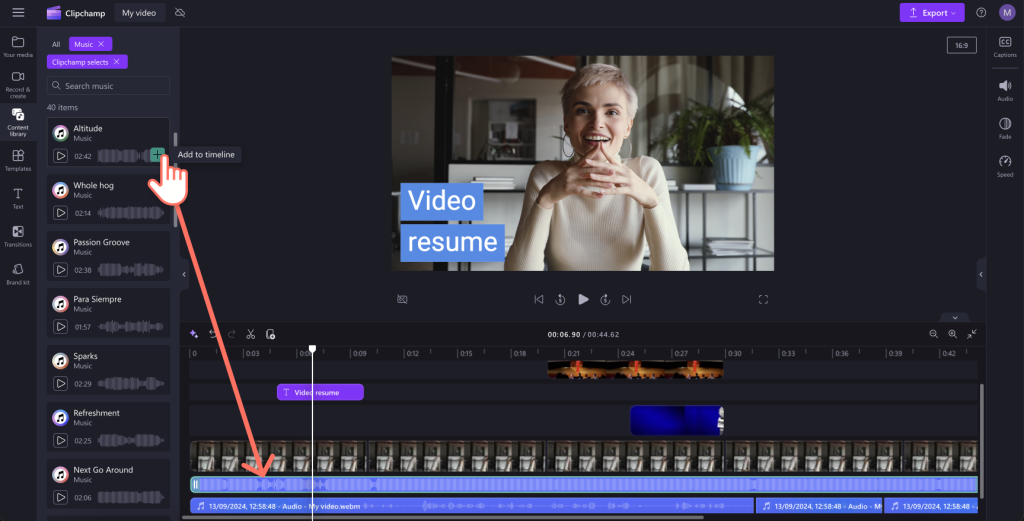
The job market has evolved to favor personal branding and digital presence. That can’t be argued. As a result, the traditional resume has lost its edge. What was once a staple of the job application process is now only one small piece of the puzzle. This shift is especially relevant for student-athletes, who have a wealth of intangible qualities—like resilience, teamwork, and time management—that a typical resume just can’t capture. To effectively communicate their unique value, student-athletes would benefit far more from pre-recorded video resumes, which allow them to show potential employers who they are beyond a simple list of experiences.
The problem with traditional resumes is that they reduce individuals to a set of bullet points, often stripped of the nuance and context that make those experiences meaningful. While resumes may list job titles, dates, and skills, they rarely provide any insight into a candidate’s character, personality, or work ethic—qualities that are particularly crucial for athletes. Student-athletes, who spend much of their time developing discipline, perseverance, and adaptability, need a format that lets these qualities shine through. A video resume gives them the chance to show their energy, speak directly to their accomplishments, and explain the life skills they’ve gained from their athletic experiences.
Consider the typical job interview process. When recruiters meet candidates face-to-face, they’re often searching for qualities that are nowhere to be found on a resume: personality, enthusiasm, and the ability to connect with others. For student-athletes, these intangible traits are often their strongest assets. The commitment required to balance academics with athletics, the teamwork needed to succeed on the field, and the mental toughness developed through competition are all qualities that are hard to capture on paper. A video resume, on the other hand, allows candidates to communicate these aspects directly. By simply speaking to the camera, athletes can give recruiters a taste of their character and potential, offering a more holistic view of who they are.
In today’s digital landscape, where social media, personal branding, and virtual connections are increasingly valued, the shift toward video as a medium for self-presentation makes sense. Employers are already used to seeing people through screens, whether on Zoom calls or LinkedIn profiles. A pre-recorded video resume fits naturally into this environment, creating a dynamic first impression before an in-person interview even takes place. Moreover, with the prevalence of digital platforms, student-athletes can easily share their video resumes online, making it easier for recruiters to view and remember them among a sea of traditional applications.
For student-athletes, who often have non-traditional experiences that don’t fit neatly into standard resume sections, video resumes also offer a more flexible format. Instead of listing “Leadership” or “Teamwork” under a skills section, athletes can talk about the time they rallied their team after a tough loss, or the effort it took to train for a championship game while keeping up with school assignments. These stories highlight resilience and character, demonstrating exactly the kinds of attributes employers look for in candidates, especially in high-stress or team-oriented environments. A video resume offers the perfect platform for these personal insights, creating a connection with the recruiter that a written document never could.
Another advantage of video resumes is the chance for candidates to control their narrative. Traditional resumes are limited in space and can feel overly structured, often forcing candidates to leave out relevant experiences or limit descriptions to a few words. In a video, however, student-athletes have the freedom to elaborate on their accomplishments, giving context to each experience. For example, rather than simply listing “Team Captain,” a student-athlete can discuss the specific responsibilities that came with the role, how they managed interpersonal conflicts, or how they balanced leadership with their personal performance. This storytelling ability can be incredibly persuasive, painting a vivid picture of the candidate as someone who is committed, hardworking, and willing to go the extra mile.
Additionally, video resumes add an element of personalization that appeals to recruiters on a human level. With so many applicants for each position, it can be hard for recruiters to distinguish one candidate from another when they’re looking at a stack of similar resumes. By contrast, a video resume provides an opportunity for the candidate’s personality to come through, helping them stand out as a memorable, relatable individual. For student-athletes, who are often accustomed to being evaluated based on both performance and character, this format feels natural. They’re used to stepping up, showing who they are, and giving their all—qualities that are much easier to convey in person or on video than on a piece of paper.
Ultimately, as the hiring process continues to evolve, it’s becoming clear that employers are looking for more than just skills and experience; they’re looking for people with a story to tell and a strong sense of who they are. For student-athletes, a video resume is the perfect tool to bridge the gap between their unique strengths and what the job market values. Rather than limiting themselves to a traditional format that doesn’t fully showcase their talents, student-athletes can embrace video resumes to highlight the resilience, dedication, and team spirit that set them apart. In doing so, they present a fuller, more authentic version of themselves—one that resonates far more effectively than a list of bullet points ever could.