

Why Soft Skills Are the MVPs in Today’s Job Market

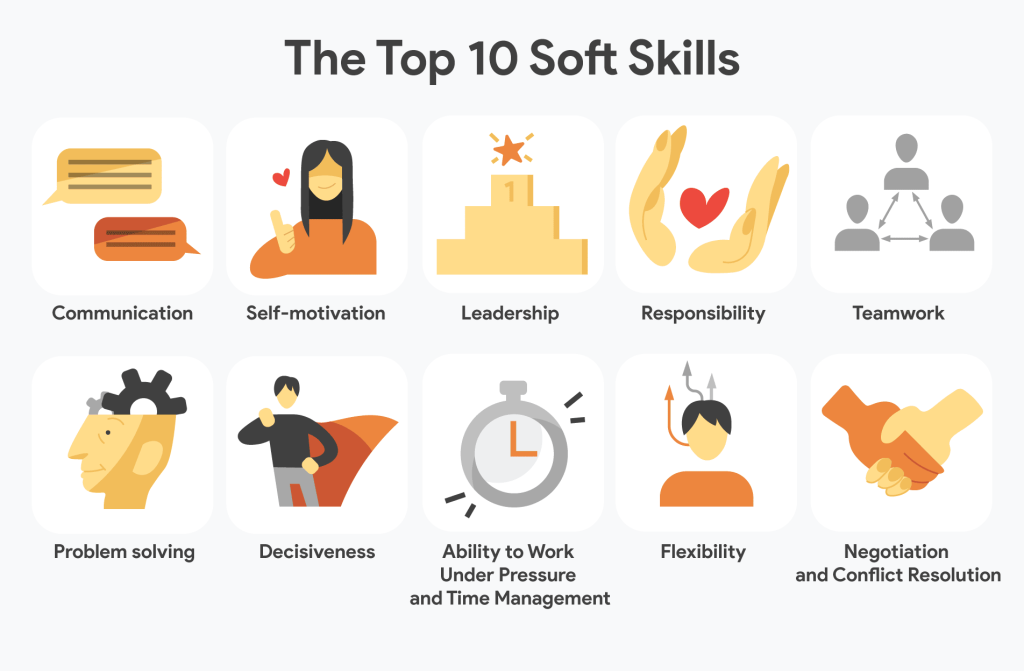
You’ve probably heard the term “soft skills” tossed around like a Nerf football at a family BBQ. But don’t let the name fool you—there’s nothing soft about their importance. In today’s job market, soft skills are the MVPs, the all-stars that can elevate your career from “benchwarmer” to “starting lineup.” Sure, technical skills are critical, but in a world where AI can crunch numbers and algorithms can code, it’s your soft skills that make you irreplaceable.
Soft skills are the secret sauce—the human traits that make you, well, human. They’re your ability to communicate, lead, adapt, and handle pressure without breaking a sweat (or at least without letting anyone see you sweat). And here’s the kicker: as a collegiate athlete, you’ve been quietly building these skills for years. Let’s dive into why these skills are your greatest asset and how they’ll help you crush it in the workplace.
Employers Aren’t Just Hiring Robots
Imagine a hiring manager sitting across the table from two candidates. Both have the same degree, the same GPA, and the same technical certifications. What’s the deciding factor? It’s the candidate who can not only do the job but make the workplace better. Employers want team players, problem-solvers, and effective communicators—people who can navigate the human side of the business.
Soft skills are what help you collaborate with colleagues, diffuse office drama, and build relationships with clients. They’re also the antidote to automation. While machines are great at crunching data, they can’t read a room, inspire a team, or negotiate a deal. Those are all human skills, and they’re in high demand.
The Athletic Edge
As an athlete, you’ve been training in soft skills without even realizing it. Think about it: teamwork? Check. Time management? You’ve been balancing practice, travel, and exams for years. Resilience? You’ve faced losses, injuries, and grueling workouts, yet you’ve bounced back every time. Leadership? Whether you were a team captain or simply a dependable teammate, you know how to motivate others and step up when it counts.
These skills aren’t just valuable on the field—they’re exactly what employers are looking for. Your ability to adapt during a chaotic game is the same adaptability needed to thrive in a fast-paced work environment. Your knack for staying composed under pressure? That’s what will make you a rockstar in high-stakes meetings.
Communication Is Your Power Play
If there’s one soft skill that stands above the rest, it’s communication. You can be the smartest person in the room, but if you can’t articulate your ideas clearly, you’ll be overlooked. Communication isn’t just about talking; it’s about listening, understanding, and knowing how to tailor your message to your audience.
Athletes know all about communication. Whether it’s calling plays on the field, giving a post-game interview, or explaining to your coach why you’re 15 minutes late for practice (traffic, obviously), you’ve honed this skill. In the workplace, communication helps you build relationships, resolve conflicts, and make sure your ideas get the spotlight they deserve.
The Power of Emotional Intelligence
Soft skills aren’t just about interacting with others—they’re about understanding yourself, too. Emotional intelligence (EQ) is the ability to recognize and manage your emotions while empathizing with those of others. It’s what helps you navigate workplace dynamics, keep cool under pressure, and build strong professional relationships.
As an athlete, you’ve been flexing your EQ muscles for years. Remember that time you had to support a teammate who missed a crucial shot? Or when you stayed composed after a questionable referee call? Those moments required emotional intelligence. In the workplace, your EQ will help you connect with colleagues, lead with empathy, and handle tough situations with grace.
Adaptability Wins Championships
If there’s one thing athletes know, it’s how to adapt. Injuries happen. Game plans change. Opponents pull surprises. The ability to pivot, adjust, and stay focused is a hallmark of any great athlete—and it’s also a cornerstone of workplace success.
In today’s ever-evolving job market, adaptability is king. Industries change, technology evolves, and companies pivot faster than a point guard on a fast break. Employers want people who can embrace change and thrive in uncertain situations. Your experience as an athlete has prepared you to do exactly that.
The Soft Skills Advantage
Here’s the bottom line: soft skills aren’t just a bonus; they’re your competitive advantage. They’re what turn you from a good candidate into a great hire. While technical skills might get your foot in the door, it’s your soft skills that will help you climb the ladder and make a lasting impact.
As you transition into the workforce, don’t underestimate the value of these skills. Highlight them in your resume, showcase them in interviews, and keep developing them throughout your career. After all, you’ve already got the training—you just need to put it into play.
Soft skills are your ticket to thriving in a world that’s as much about people as it is about performance. So go ahead, flex those communication muscles, lead with empathy, and adapt like the champion you are. The job market is your new arena, and with soft skills on your side, you’re ready to win.