

Why HR Leaders Love Hiring Athletes (and How You Can Be Next)

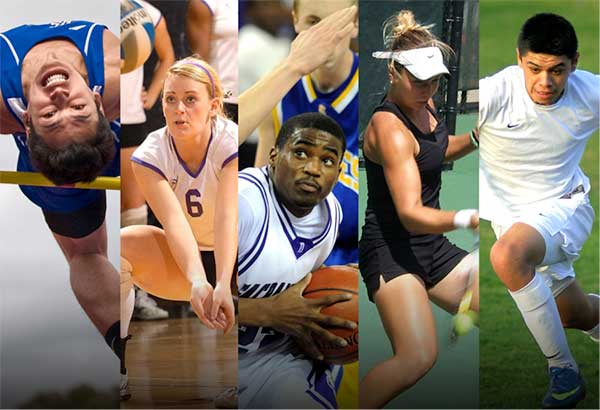
It’s a well-known fact that athletes are a breed apart—combining physical prowess with the kind of mental grit that most people only aspire to have. For employers, this combination isn’t just impressive; it’s irresistible. But what exactly makes student-athletes such hot commodities in the job market? To answer this, we spoke with HR leaders and hiring managers who have recruited athletes into their organizations. Their insights reveal a fascinating perspective on what sets athletes apart and how you can use your skills to land that dream job.
Your Competitive Edge: More Than Just the Game
When HR professionals talk about why they love hiring athletes, the same words come up again and again: discipline, teamwork, and resilience. “Athletes know how to grind,” said one HR manager. “Whether it’s early mornings or late nights, they’re wired to push through challenges without quitting.” Employers see this grit as a transferable skill, especially in roles that demand a high level of commitment or adaptability.
The magic doesn’t stop at hard work. Athletes also have a knack for time management. Balancing a demanding sports schedule with academics, internships, and a social life demonstrates an ability to prioritize and juggle multiple responsibilities under pressure. As one HR leader put it, “Show me someone who can handle midterms and back-to-back games on the same weekend, and I’ll show you someone who can handle client deadlines without breaking a sweat.”
Teamwork Makes the Dream Work
Athletes don’t just know teamwork; they live and breathe it. Whether you’ve spent years running drills, setting up plays, or cheering from the sidelines, you understand the value of collective effort. Employers view this as a golden trait, especially for roles requiring collaboration. “In our company, we don’t have time for egos,” one hiring manager confessed. “Athletes know how to check their personal ambitions at the door and work toward a common goal. That’s priceless.”
Interestingly, HR leaders also value how athletes handle feedback. In sports, constructive criticism is baked into every practice and game. Learning how to accept feedback, adjust your strategy, and improve performance on the fly is a skill that translates seamlessly into the workplace. If you’ve ever been yelled at by a coach after a bad play, you already know how to keep cool under pressure and bounce back stronger—a quality any employer will appreciate.
Resilience: The Secret Sauce
Few things test your resilience quite like sports. From injuries to defeats, athletes are pros at getting knocked down and finding a way to get back up again. This mental toughness is a game-changer in the workplace. “Resilience is one of the most underrated skills in today’s job market,” an HR executive explained. “Every company faces setbacks, whether it’s a project delay or a lost client. Athletes bring a ‘what’s next?’ mentality that helps teams recover and move forward.”
This ability to adapt and persevere doesn’t just apply to tough situations. Employers also admire athletes’ proactive approach to personal growth. “Athletes are constantly striving to improve,” one HR leader shared. “Whether it’s shaving seconds off their time or perfecting a move, they’re wired to chase excellence. That mindset inspires their colleagues and elevates the entire team.”
Leadership: Leading From Every Position
While not every athlete wears a captain’s armband, HR leaders argue that most athletes display leadership qualities in some form. Leadership doesn’t just mean calling the shots; it’s also about leading by example, motivating teammates, and maintaining a positive attitude even when the chips are down.
Employers value these subtle forms of leadership as much as the obvious ones. “We hired a former soccer player who wasn’t a captain but was the glue of her team,” a hiring manager recalled. “She brought that same energy to our company, quietly building morale and bringing people together. She ended up running a team within two years.”
How to Market Yourself as an Athlete
So, how can you highlight these traits in your job search? For starters, don’t shy away from your athletic background. Include your sports experience on your resume, but go beyond listing your team and position. Frame your achievements in terms of transferable skills. For instance, instead of saying “Team Captain, Women’s Basketball,” try something like, “Led a 12-person team, fostering collaboration and driving performance improvements that resulted in a conference championship.”
During interviews, weave in anecdotes that showcase your athletic skills in action. Talk about how you navigated a challenging team dynamic, overcame adversity, or achieved a personal milestone through hard work and dedication. Employers love stories—they make your experiences memorable and demonstrate how you think under pressure.
Finally, don’t forget to leverage your alumni network. Many organizations actively recruit student-athletes because they recognize the value they bring. Use platforms like BluChip to connect with former athletes who’ve transitioned into the workforce. Their advice and connections could open doors you didn’t even know existed.
The Game Isn’t Over—It’s Just Beginning
Transitioning from athletics to the workplace can feel like a leap into the unknown. But as HR leaders have pointed out, the qualities that made you a standout athlete are the same ones that will make you a star employee. With a little preparation and a lot of confidence, you can turn your athletic experiences into career wins. After all, you’ve already proven you can succeed under pressure. Now it’s time to take those skills to the next level—and score big in the professional world.