

Turning Setbacks into Stepping Stones: How Student-Athletes Can Thrive Without a Scholarship

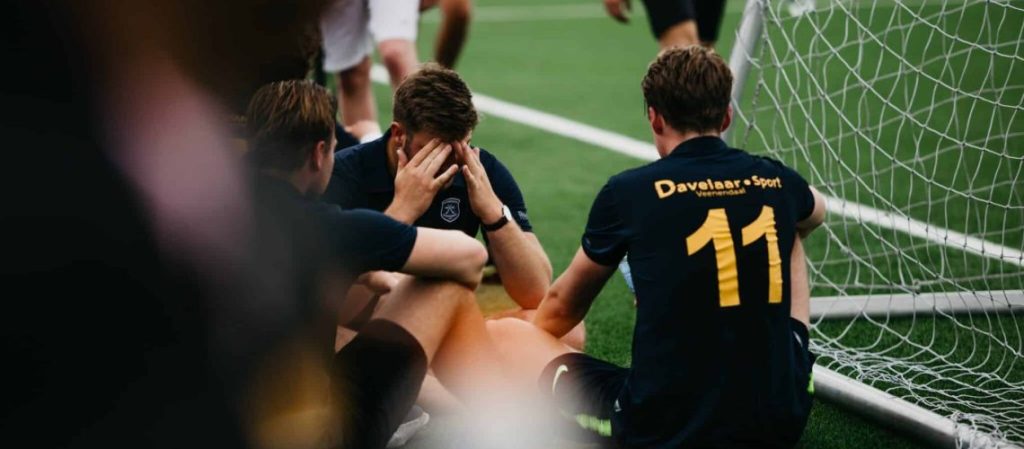
For many student-athletes, earning a college scholarship is the ultimate reward for years of dedication to their sport. It represents validation of their hard work, a chance to play at the next level, and often, a pathway to a brighter future. But the reality is that not every talented athlete receives a scholarship offer. Rejection can feel deeply personal, and it’s easy to see why. The countless hours spent training, competing, and sacrificing can make it seem as if the scholarship is the only worthwhile goal. However, this moment of setback can also serve as a turning point—an opportunity to grow, adapt, and pursue alternative paths to success.
Understanding Rejection as a Part of Growth
Rejection is never easy, especially when it’s tied to something as personal as your athletic identity. But it’s important to reframe the narrative around rejection. Not receiving a scholarship doesn’t diminish your abilities or the value you bring to the table. In many cases, scholarship decisions are based on factors beyond your control, such as limited funding, team needs, or a coach’s preference for a particular position. Recognizing that the decision isn’t a reflection of your worth can help you process the disappointment more constructively.
Athletes are no strangers to challenges—every missed shot, dropped pass, or lost game has been a lesson in resilience. This rejection is no different. By viewing it as another obstacle to overcome, you can begin to shift your focus from what you didn’t receive to what you can achieve moving forward.
Exploring New Avenues for Athletic and Academic Success
While a scholarship might have been your initial goal, it’s not the only way to continue your athletic journey or pursue higher education. Many schools offer walk-on opportunities, allowing athletes to join the team without an athletic scholarship. Walking on might require more grit and perseverance, but it can also showcase your dedication to the sport and your willingness to earn your place on the roster. Many walk-ons eventually receive scholarships after proving their value to the team.
If continuing to play your sport isn’t feasible, you can still leverage the skills and discipline you’ve developed as an athlete. Seek out academic scholarships, grants, or work-study programs to offset tuition costs. Explore schools with strong athletic programs that offer club or intramural sports, allowing you to stay connected to your passion without the pressures of collegiate competition. These paths can provide the same sense of community and personal growth that varsity athletics offer.
Building a Support Network
Dealing with rejection can feel isolating, but you don’t have to face it alone. Lean on your support network—family, friends, coaches, and mentors—to help you process your emotions and find a new direction. Sharing your feelings with trusted individuals can provide clarity and encouragement during this challenging time.
Consider reaching out to former teammates or athletes who have faced similar setbacks. Their experiences can offer valuable insights and reassurance that life after rejection can still be filled with opportunities and achievements. Surrounding yourself with a strong support system reminds you that you are not defined by a single moment or decision.
Honing Transferable Skills
Athletics teaches student-athletes a wealth of skills that are highly transferable to other areas of life. Time management, teamwork, leadership, and perseverance are qualities that employers and academic institutions value. Even without a scholarship, these attributes make you a strong candidate for other opportunities.
Take this time to reflect on your strengths and how you can apply them to new pursuits. Whether it’s excelling in academics, exploring a new passion, or building a career, the qualities you’ve developed as an athlete will continue to set you apart.
Using Rejection as Motivation
Many of the most successful athletes and professionals have faced rejection at some point in their journey. The difference is how they responded to it. Use this moment as fuel to prove what you’re capable of achieving. Set new goals—whether athletic, academic, or personal—and channel your energy into reaching them.
One way to stay motivated is to visualize your long-term aspirations and break them down into smaller, actionable steps. Celebrate each milestone, no matter how small, as a reminder of your progress and potential.
Redefining Success
Finally, it’s essential to remember that success isn’t limited to receiving a scholarship or playing college sports. Your worth and potential extend far beyond the athletic field. By embracing a broader definition of success, you open yourself up to new possibilities and experiences that may ultimately lead to greater fulfillment.
For many student-athletes, the journey after rejection leads to personal growth, new opportunities, and a deeper understanding of their true passions. Whether you choose to pursue athletics in a different capacity, focus on academics, or explore a new path entirely, the resilience you’ve built as an athlete will serve you well in every aspect of life.
While not receiving a scholarship may feel like a detour, it’s far from the end of the road. By shifting your perspective and embracing the lessons rejection has to offer, you can turn this setback into a stepping stone toward a future that’s just as bright—if not brighter—than the one you originally envisioned.