

Traditions and Rituals of Student-Athletes

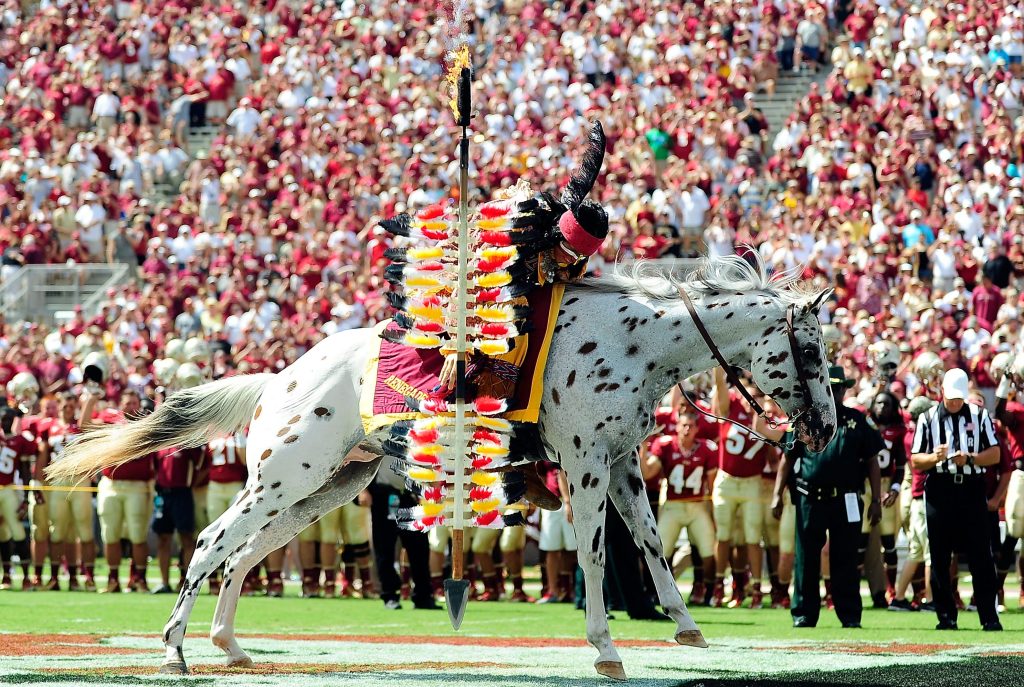
In the world of sports, traditions and rituals play a significant role in the lives of student-athletes. These practices, often passed down from one generation of athletes to the next, are more than just routines—they are the glue that binds teams together, the source of motivation and focus before a big game, and the creators of memories that last a lifetime. Whether they are rooted in superstition, camaraderie, or simply a love for the game, the traditions and rituals of student-athletes are a vital part of their sports experience.
1. Pre-Game Rituals: Setting the Stage for Success
One of the most common forms of ritual among student-athletes is the pre-game routine. These rituals can vary widely from team to team and even from player to player, but they all serve a similar purpose: to prepare mentally and physically for the competition ahead.
For some athletes, pre-game rituals might involve listening to a specific playlist of pump-up songs to get in the zone. Music can be a powerful tool to focus the mind and energize the body, and many athletes have carefully curated playlists that they listen to before every game or match. These playlists often include songs that hold personal significance or that have been associated with past successes, creating a psychological link between the music and peak performance.
Others might engage in more physical rituals, such as specific warm-up exercises, stretches, or routines that they believe help to ward off injuries or ensure optimal performance. These movements are often performed in a precise order, almost like a dance, and are repeated game after game to instill a sense of consistency and control.
Some student-athletes rely on visualizations as part of their pre-game preparation. By mentally rehearsing the game, picturing themselves making key plays, or visualizing a successful outcome, they build confidence and reduce anxiety. Visualization helps athletes feel more prepared and in control, which can lead to better performance on the field.
2. Team Traditions: Building Camaraderie and Unity
Beyond individual rituals, teams often have their own unique traditions that help to build camaraderie and strengthen the bonds between teammates. These traditions can range from lighthearted activities to serious, symbolic ceremonies that carry deep meaning.
For example, many teams have a tradition of sharing a team meal the night before a big game. This meal is more than just an opportunity to fuel up—it’s a time for the team to come together, relax, and focus on the task ahead. The act of breaking bread together fosters a sense of unity and trust among teammates, which can be crucial when it’s time to compete.
Another common team tradition is the use of a team chant or motto. These phrases, often shouted in unison before taking the field or court, serve to rally the team, instill confidence, and intimidate opponents. A powerful team chant can create an electric atmosphere, signaling that the team is ready to give their all.
Some teams also have rituals that involve symbolic gestures or items. For instance, a team might pass around a special object—a ball, a coin, or a piece of clothing—that represents their shared goals or a particular season’s theme. Each player might hold the object for a moment, focusing on their role within the team and what they want to achieve. This practice helps to reinforce the sense of collective purpose and reminds athletes that they are part of something bigger than themselves.
3. Superstitions: The Power of Belief
Superstitions are another common aspect of the rituals and traditions of student-athletes. While they may not have any scientific basis, these practices are deeply ingrained in the sports culture and can have a powerful psychological impact on athletes.
Many student-athletes have specific items of clothing, such as a lucky pair of socks or a wristband, that they wear for every game. These items become talismans, providing a sense of comfort and security. The belief that these objects bring good luck can help athletes feel more confident and less anxious, even if the effect is purely psychological.
Other common superstitions include following a particular routine in the locker room, such as always tying the left shoe before the right or avoiding stepping on certain lines on the field. These actions, though seemingly trivial, become rituals that athletes feel compelled to follow to maintain their luck and performance.
While some may view superstitions as irrational, for many athletes, they are an essential part of their game-day preparation. The key is that these rituals give athletes a sense of control in a situation that is often unpredictable and filled with pressure.
4. Post-Game Rituals: Reflection and Celebration
The traditions and rituals of student-athletes don’t end when the final whistle blows. Post-game rituals are equally important, providing a way for athletes to reflect on their performance, celebrate victories, or process defeats.
Some teams have a tradition of gathering in a circle after the game to debrief and share their thoughts. This practice allows athletes to express their emotions, offer support to each other, and collectively analyze what went well and what could be improved. It’s a valuable opportunity for learning and growth, ensuring that each game contributes to the team’s development.
Celebratory rituals are also a big part of the post-game experience. Whether it’s a specific victory song, a handshake line, or a team huddle, these practices help to cement the joy of winning and create lasting memories. Even in defeat, rituals can provide comfort and a sense of closure, reminding athletes that they are part of a team and that they will have another chance to succeed.
The traditions and rituals of student-athletes are much more than simple routines—they are powerful tools that enhance performance, build team unity, and create a shared sense of purpose. These practices, whether rooted in superstition, camaraderie, or psychological preparation, play a vital role in the athletic experience. For student-athletes, the memories of these traditions will last long after their playing days are over, serving as reminders of the bonds they formed and the challenges they overcame together.