

The Transition from College to Coaching: What It Takes to Lead the Next Generation of Athletes

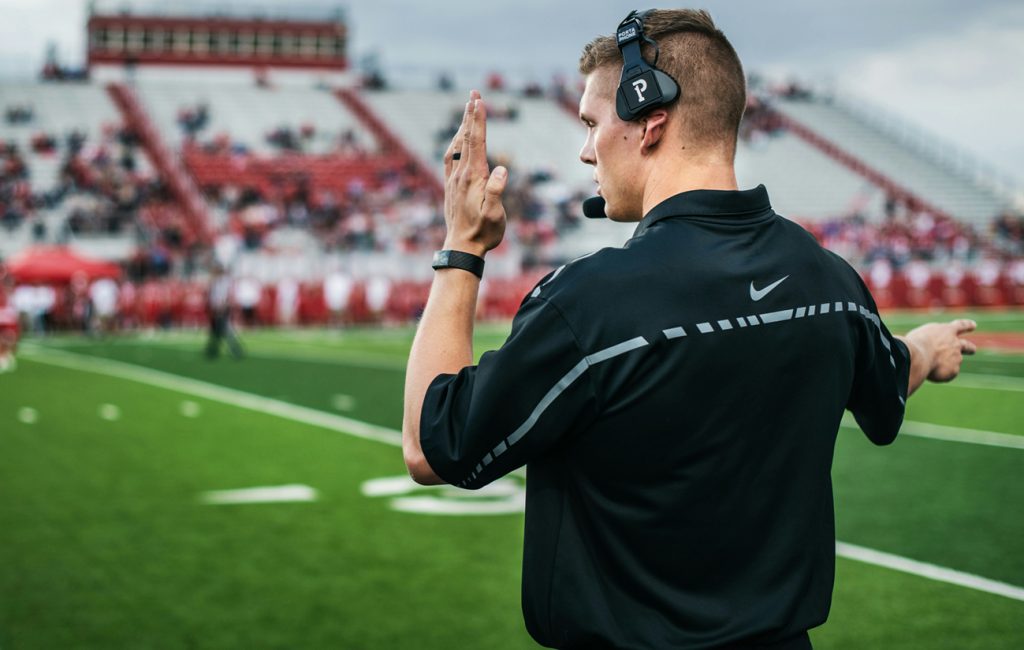
Transitioning from being a college athlete to becoming a coach is a significant career shift. The experiences, challenges, and opportunities of this transition shape a new generation of leaders who are tasked with guiding young athletes toward success both on and off the field. Coaching is not just about replicating athletic achievements; it involves adopting new skills, mindsets, and approaches to lead effectively. Here’s what it takes to make this shift and thrive as a coach guiding the next wave of athletes.
Building Upon Athletic Experience
One of the key advantages former athletes have when transitioning into coaching is the wealth of experience gained during their athletic careers. College athletes are accustomed to the demands of rigorous training schedules, managing pressure, and working within team dynamics. These lived experiences offer invaluable insights that many first-time coaches can use to relate to and mentor young athletes.
However, it’s important to recognize that excelling as a player doesn’t automatically translate to being a great coach. The skills that define a successful athlete—discipline, focus, and personal performance—must be expanded upon. Coaching is about seeing the bigger picture: fostering development, managing diverse personalities, and understanding that success isn’t always measured by wins and losses but by growth, resilience, and long-term achievements.
Shifting from Player to Leader
While athletes are leaders within their teams, moving into a coaching role demands a shift from peer-based leadership to a more authoritative and guiding position. A coach is responsible not just for their own performance but for the performance and development of the entire team. This requires learning how to manage a group, plan strategically, and communicate effectively.
The shift also involves understanding that athletes come from different backgrounds and have varying levels of talent and motivation. Unlike the self-focused world of personal athletic performance, coaching requires putting the needs of the team and individual athletes first. Successful coaches are adaptable, patient, and committed to bringing out the best in each athlete.
For many new coaches, the challenge lies in moving from a peer-like relationship to a mentor role. Athletes who were once teammates may now be their trainees, and managing this dynamic requires a careful balance of respect, authority, and empathy. Coaches who can master this balance become influential leaders who are respected by their athletes for their knowledge and ability to inspire.
Developing New Skills
The transition to coaching often necessitates the development of new skills beyond those learned on the field or court. For example, a good coach needs to be an excellent communicator, able to provide clear instructions, feedback, and motivation. Additionally, coaches must be able to listen effectively, recognizing when athletes need encouragement, guidance, or even tough love.
Strategy and game planning are other key areas where coaches must excel. While athletes are taught to follow a game plan, coaches are the architects of that plan. Developing tactics that play to the strengths of the team, analyzing opponents, and making in-game adjustments require critical thinking and quick decision-making skills. These abilities are often honed through study, mentorship from experienced coaches, and hands-on experience in leadership roles.
In today’s sports landscape, technology plays an increasingly important role in coaching. From video analysis tools to performance tracking apps, coaches are expected to integrate technology into their routines to optimize training and improve results. This can be a steep learning curve for those not familiar with these tools, but embracing technology is crucial for staying competitive and offering athletes the best possible guidance.
Emotional Intelligence and Mentorship
Coaching goes far beyond teaching technical skills or drawing up game plans. A great coach is also a mentor who can connect with athletes on a deeper level, offering support in both personal and athletic development. This requires emotional intelligence, empathy, and the ability to build strong, trusting relationships with athletes.
For student-athletes who are transitioning from college sports to the real world, a coach can be a pivotal figure in their development. Many young athletes look to their coaches not just for guidance on the field but for life advice. Coaches who understand this and take an interest in the holistic development of their athletes can leave a lasting impact. Whether helping an athlete navigate a tough loss, balance academics with sports, or transition into professional opportunities, a coach’s influence extends far beyond the sport itself.
Continuous Learning and Growth
Coaching is not a static profession. As sports evolve, so too must coaching techniques and strategies. The most successful coaches are those who embrace continuous learning. This might mean pursuing coaching certifications, attending conferences, or seeking mentorship from veteran coaches.
Additionally, reflecting on one’s own coaching experiences and seeking feedback from athletes and peers can help refine and improve one’s coaching style. Coaches who are open to learning from their mistakes and continuously strive to become better leaders will foster a culture of growth and excellence within their teams.
The Unique Challenges of Coaching Former Peers
For many new coaches, one of the biggest challenges can be coaching athletes who were once teammates. The shift from being a peer to an authority figure requires thoughtful navigation. Coaches must establish boundaries while maintaining the respect and camaraderie that defined their previous relationships. This delicate balance requires emotional intelligence, clear communication, and a commitment to professionalism.
Leading former peers also means setting expectations and holding athletes accountable. Coaches must learn to provide constructive criticism, which may have been difficult in peer-to-peer relationships. With time and experience, new coaches can navigate these challenges and build a new type of relationship based on mentorship and leadership.
In conclusion, transitioning from college athlete to coach involves much more than drawing on personal playing experience. It requires the development of leadership, strategic thinking, emotional intelligence, and continuous growth. By embracing these new skills and responsibilities, former athletes can lead the next generation of athletes to success both on and off the field.