

The Role of Wearable Sensors in Shaping Injury Prevention

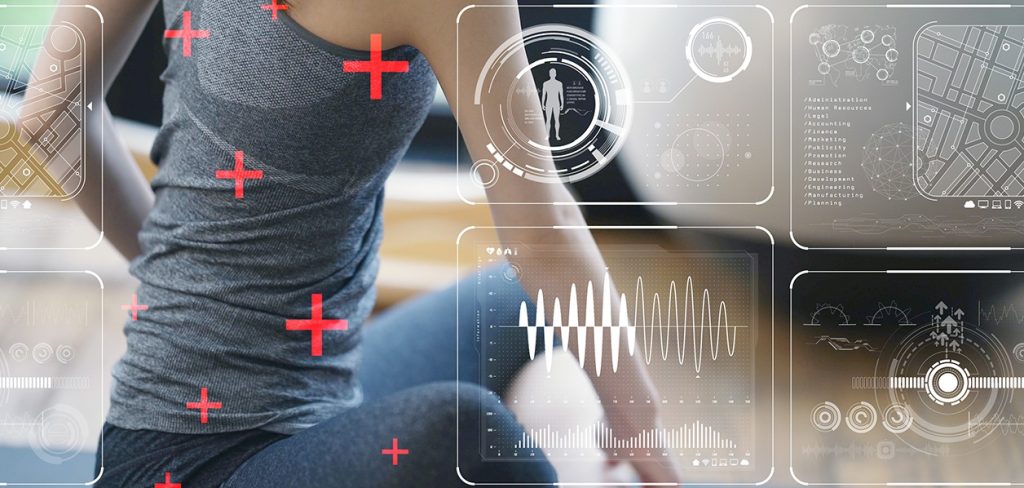
The integration of wearable sensor technology into sports has dramatically transformed how athletes train, perform, and most importantly, prevent injuries. These advancements have provided real-time data and insights that were once unattainable, allowing athletes, coaches, and medical professionals to make data-driven decisions that prioritize health and longevity. By tracking everything from biomechanics to muscle fatigue, wearable sensors have become critical tools in minimizing injury risks and enhancing athletic performance.
The Science Behind Wearable Sensors
Wearable sensors operate by collecting a wide range of physiological and biomechanical data during training and competition. These small, often unobtrusive devices can be placed directly on an athlete’s body or integrated into clothing and equipment. Once in place, they monitor variables such as heart rate, body temperature, movement patterns, and muscle activation, providing detailed insights into how an athlete’s body responds to physical exertion.
One of the key benefits of wearable sensors is their ability to track movement and biomechanics. For instance, sensors embedded in shoes or compression garments can capture data on running form, stride length, joint angles, and ground impact forces. This information helps coaches and athletes identify potential risks, such as improper technique or imbalances that could lead to overuse injuries. By addressing these issues early, athletes can adjust their training regimens to correct form and reduce the likelihood of developing chronic injuries like stress fractures or tendinitis.
Moreover, these sensors provide valuable insights into the cumulative impact of repetitive motions on an athlete’s body. Sports like tennis, basketball, and soccer involve constant repetitive movements, which can lead to micro-injuries if not monitored. Wearable devices can track these repetitive motions over time, allowing athletes and trainers to understand when the body is being pushed too far and when to scale back to prevent damage.
Fatigue Monitoring and Injury Prevention
One of the most critical factors in injury prevention is managing athlete fatigue, a common precursor to injury. Wearable sensors are revolutionizing this aspect of training by offering real-time fatigue monitoring. Devices that measure heart rate variability, hydration levels, and muscle oxygenation can detect when an athlete’s body is nearing its limits. By continuously tracking these metrics, athletes and coaches can identify early signs of fatigue that may not be immediately noticeable during practice or competition.
For example, in endurance sports like long-distance running or cycling, muscle fatigue can subtly build over time. Athletes might push through discomfort, unaware of the strain building in specific muscle groups. Wearable sensors equipped with electromyography (EMG) technology can measure muscle fatigue by detecting electrical activity in the muscles. When sensors reveal a decline in muscle performance, it provides a signal that the athlete should rest or adjust their training intensity, reducing the risk of strains, pulls, or more severe injuries.
Additionally, wearable sensors help balance the fine line between undertraining and overtraining. Overtraining can lead to injuries, while undertraining can hinder performance. These devices enable athletes to optimize their workload by providing precise data on the intensity and duration of their activities. Athletes and their trainers can use this information to design training plans that maintain peak performance levels while ensuring proper recovery and preventing overuse injuries.
Recovery and Rehabilitation
Wearable sensors are equally beneficial in the recovery and rehabilitation phase following an injury. During this critical period, athletes must adhere to specific recovery protocols to prevent re-injury and restore optimal function. Sensors can track an athlete’s recovery progress in real-time, providing data on joint movement, muscle strength, and overall mobility. This allows physical therapists and medical staff to personalize rehabilitation programs based on the athlete’s unique needs, adjusting exercises and therapy sessions to ensure a safe and effective recovery.
For instance, a basketball player recovering from a knee injury may wear sensors that monitor knee stability and range of motion. As the player progresses through rehabilitation, the data collected by these sensors can be used to modify exercises, ensuring the athlete is rebuilding strength and flexibility without overstressing the injured area. By continuously monitoring progress, wearable technology helps reduce the risk of setbacks, ensuring that athletes can return to their sport stronger and more resilient.
Moreover, wearable sensors can track muscle imbalances during recovery. After an injury, athletes often favor one side of the body, which can lead to compensatory movements and additional injuries. Sensors provide immediate feedback on how evenly the body is distributing force and movement, allowing athletes and therapists to make corrections before bad habits are formed.
AI and Predictive Injury Analytics
As wearable sensors continue to evolve, artificial intelligence (AI) and predictive analytics are becoming an integral part of injury prevention. These systems analyze the vast amounts of data collected by wearable devices to detect patterns and trends that may not be visible to the human eye. AI algorithms can predict injury risks based on an athlete’s movement patterns, training load, and even past injury history, providing valuable foresight that can inform training decisions.
For instance, AI-powered systems can use biomechanical data to identify subtle changes in an athlete’s gait that could lead to a knee injury down the line. By detecting these issues early, athletes can make necessary adjustments to their form or training, preventing injuries before they occur. This predictive capability is particularly valuable in high-impact sports like football or rugby, where injuries can have long-term consequences.
The integration of AI also allows for more personalized injury prevention strategies. Every athlete’s body responds to training differently, and AI systems can tailor recommendations based on individual data. This personalized approach ensures that athletes are receiving the most effective interventions for their specific risk factors, further reducing the chances of injury.
The Future of Wearable Sensors in Sports
The use of wearable sensors in injury prevention is still in its early stages, but the potential for future advancements is immense. As technology becomes more sophisticated, we can expect sensors to become even smaller, more accurate, and more capable of providing detailed insights into an athlete’s health and performance. With the continued integration of AI and machine learning, the ability to predict and prevent injuries will only become more refined, allowing athletes to train harder and smarter while staying safer.
Wearable sensors have already proven to be a game-changer in the world of sports. By providing real-time data on movement, fatigue, and recovery, they are helping athletes push their limits while reducing the risk of injury. As the technology continues to evolve, its role in shaping the future of injury prevention will only grow, offering athletes new ways to optimize performance and safeguard their health for the long term.