

The Rise of AI in Recruitment: What Athletes Need to Know About Digital Hiring Trends

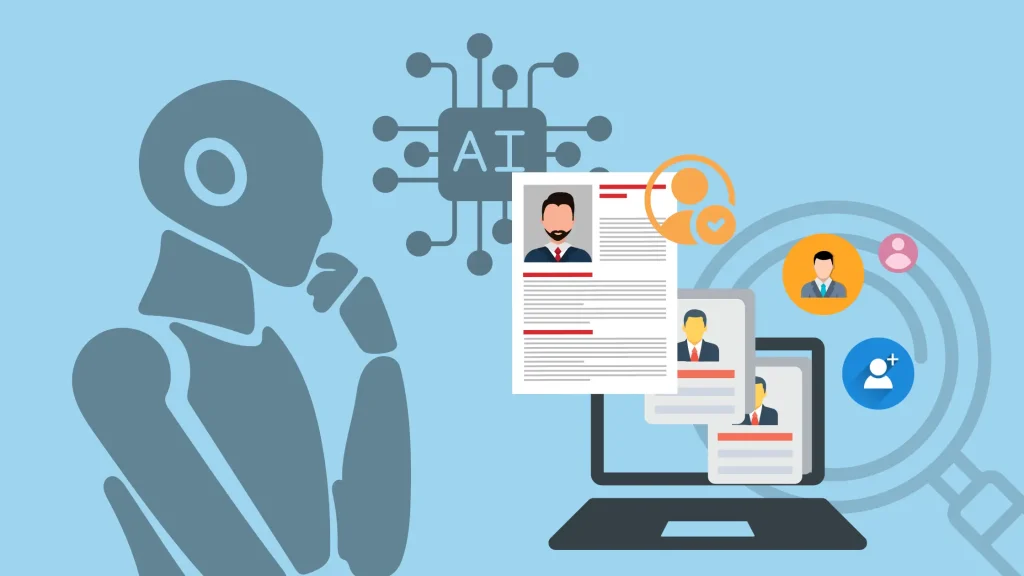
In an era where technology permeates every aspect of life, the world of recruitment is undergoing a dramatic transformation. As industries evolve, so do hiring practices. Artificial Intelligence (AI) has emerged as a game-changer, offering faster, more efficient ways to evaluate candidates, streamline processes, and even predict potential success in a given role. For athletes looking to transition into the corporate world or any other post-sports career, understanding the growing influence of AI in recruitment is becoming increasingly important. The rise of AI doesn’t just alter how companies find new talent—it changes how candidates must present themselves and how they prepare for future opportunities.
AI’s role in recruitment is multifaceted, encompassing everything from resume screening to personality assessments. One of the key ways AI is shaping the hiring process is through its ability to analyze large volumes of data and identify patterns that humans might miss. Traditional hiring processes often relied heavily on resumes, cover letters, and face-to-face interviews. But AI now allows employers to look deeper into an applicant’s background and assess their skills, experiences, and even behavioral tendencies in a more nuanced way. For athletes, who may be accustomed to performance metrics in sports, this shift could be both an opportunity and a challenge.
For starters, AI tools have the capability to scan resumes and online profiles at lightning speed, quickly identifying keywords, skills, and experiences that align with the job requirements. In many ways, this means athletes who have developed specific competencies or leadership qualities during their sporting careers must ensure these attributes are clearly articulated in their digital profiles. AI-driven recruitment systems rely heavily on algorithms that search for certain keywords or phrases, making it crucial for athletes to tailor their resumes and LinkedIn profiles to highlight both soft and hard skills in a way that matches the specific language used in job descriptions. In other words, athletes need to think about how their experiences—be it leadership, teamwork, resilience, or strategic thinking—translate to the corporate world.
However, AI is not just about optimizing resumes. Many modern recruitment processes now include AI-powered assessments, where candidates are asked to respond to situational or behavioral questions. These assessments, often administered through online platforms, are designed to gauge cognitive ability, problem-solving skills, and even emotional intelligence. For athletes, this could feel familiar, as sports often require quick decision-making and the ability to perform under pressure. But while traditional interviews might have allowed for some improvisation, AI assessments typically rely on structured responses, where the system evaluates not only what you say but how you say it. The challenge for athletes is to adapt their communication style to reflect these parameters, presenting themselves in a way that resonates with AI algorithms.
Another emerging trend in AI-driven recruitment is the use of video interviews, where AI tools analyze facial expressions, tone of voice, and body language to assess a candidate’s suitability for a role. While these tools are still evolving, some companies already use AI to evaluate how well a candidate matches the company’s values or culture. For athletes who may be accustomed to performing in front of an audience or camera, this may not seem too foreign, but it does require an awareness of how non-verbal cues can influence the outcome. In the same way that athletes learn to read their opponents, they must now become adept at reading how their own demeanor and presentation could be evaluated by AI tools.
Perhaps one of the most transformative aspects of AI recruitment is its predictive capabilities. AI can analyze vast amounts of data from previous hiring decisions and predict which candidates are most likely to succeed in a particular role. For athletes making the leap into a new career, this is an important consideration. In sports, performance analytics are used to project an athlete’s potential on the field; similarly, AI in recruitment can make predictions about how well a candidate will fit within a company’s culture, how quickly they will adapt, and how effectively they will perform in their new role. While athletes may be accustomed to performance projections and data-driven decisions in their sport, they may need to familiarize themselves with the idea of “soft skills” predictions and the use of data to forecast success in business environments.
Despite the many advantages of AI in recruitment, there are also challenges. One concern is the potential for bias in AI algorithms. While AI can process data faster than any human recruiter, it is still ultimately driven by the parameters set by humans—meaning that, without careful programming, AI systems could inadvertently favor certain types of candidates over others. For athletes, this could mean a need to ensure that their diverse skill sets are represented in a way that appeals to AI tools without being lost in a sea of data. It’s crucial for athletes to be aware that, just as in sports, the way one positions themselves in the recruitment process can influence the outcome. Understanding AI’s potential biases and how to mitigate them will be an important part of navigating this new landscape.
Looking ahead, it’s clear that AI is here to stay in the recruitment process, and athletes will need to adapt. The good news is that many of the skills athletes develop on the field—such as discipline, focus, adaptability, and the ability to perform under pressure—are qualities that AI tools value. Athletes who approach their career transition with the same commitment to preparation and growth that they displayed in sports will find ways to succeed in an AI-driven recruitment world. Whether it’s refining a digital resume to highlight transferable skills, practicing for AI-powered assessments, or simply understanding the role that technology now plays in hiring, athletes can position themselves to thrive in this evolving hiring landscape.
The rise of AI in recruitment presents both an opportunity and a challenge for athletes seeking to enter the workforce. By embracing these new tools, understanding how AI evaluates their skills, and adapting their approach to job searches, athletes can leverage their unique strengths to stand out in the digital hiring landscape. The future of recruitment is undeniably digital, and athletes who stay ahead of the curve will be well-positioned to make a successful transition into post-sports careers.