

The Quiet MVP: Why Emotional Intelligence is Your Secret Weapon at Work

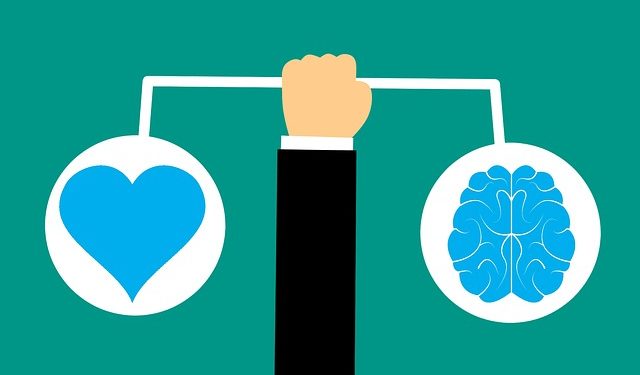
When you think of a top-tier athlete, you might picture someone with a fierce competitive edge, a body built for performance, and the kind of mental focus that gets them through the toughest games. But here’s the secret: it’s not just physical prowess that makes a champion—it’s emotional intelligence (EI), and it’s the silent MVP of your future career.
Emotional intelligence is the ability to recognize, understand, and manage your own emotions while also understanding and influencing the emotions of others. It’s often overlooked, but let’s face it: in the workplace, just like in sports, it’s not always about who has the biggest muscles or the loudest voice. The real power comes from the players who can keep their cool, navigate social dynamics, and lead with empathy. The same principles that make a great teammate or captain on the field can propel you to the top of your professional game.
Understanding the Game of Emotional Intelligence
Think of emotional intelligence like the agility drill you used to love—or hate, depending on who was in charge of timing you. It’s the mental flexibility that allows you to adjust, pivot, and stay in the zone no matter the circumstances. When you were playing your sport, there were moments where physical skill was key, but there were just as many instances where understanding the mood of the game—or your teammates—was what got you the win.
Let’s say it’s the final quarter, and your team is behind. The coach calls a timeout, and all eyes are on you. Your teammates are a mix of exhausted and frustrated, and the pressure is mounting. How do you respond? If you’re emotionally intelligent, you can sense the tension in the room, know when to motivate, when to stay calm, and when to give others space. You understand your teammates’ emotions, manage your own nerves, and lead in a way that brings everyone together. That ability to “read the room” is not just a game-changer in sports, it’s the key to workplace success.
The Role of Self-Awareness: Knowing Your Strengths (and Weaknesses)
Emotional intelligence starts with self-awareness—the ability to recognize your own emotions and how they affect your thoughts and actions. It’s like knowing your physical limits: maybe you’re a sprinter but not the best long-distance runner. The same goes for your emotions. Are you the type of person who gets nervous before big meetings? Does conflict make you want to avoid confrontation? That’s okay. Identifying those emotional tendencies and understanding how they might impact your performance is the first step toward mastering emotional intelligence.
In the workplace, self-awareness gives you the power to take a step back and evaluate your reactions. If a colleague frustrates you, instead of snapping back with a comment you’ll regret, you pause and recognize that your irritation is more about your own stress than their behavior. This self-regulation is what helps you stay composed under pressure, just like a calm athlete who can tune out the noise and focus on executing the next play.
Empathy: The Power of Understanding Others
If you’ve ever been on a sports team, you know the importance of understanding your teammates. Maybe one player is having an off day, and you can tell without them saying a word. Instead of calling them out, you step up to encourage them or adjust your role to help balance things out. That ability to tune into the emotions and needs of those around you is empathy, a key component of emotional intelligence.
At work, empathy is your secret weapon for building relationships, diffusing conflict, and leading a team. Imagine you’re managing a project, and one of your team members is visibly struggling with deadlines. Rather than barking orders or jumping into micromanage mode, an emotionally intelligent leader would check in with that person. You’d ask how they’re doing, what’s holding them back, and how you can support them. Not only does this create a positive work environment, but it also helps you build trust. When people feel heard and understood, they’re more likely to follow your lead and perform at their best.
Social Skills: The Art of Teamwork
In sports, chemistry with your teammates is everything. You don’t have to be best friends off the field, but when the game is on the line, you need to communicate seamlessly. The same is true in the workplace. Emotional intelligence gives you the social skills to build relationships, collaborate effectively, and manage group dynamics.
Being able to navigate office politics without getting caught up in drama is an underrated skill. You don’t need to be the loudest voice in the room, but knowing how to build rapport with colleagues, motivate others, and negotiate solutions will make you a valuable team player. Plus, being someone who listens well and connects with others emotionally can make you the go-to person in times of conflict or uncertainty.
Emotional Intelligence as a Leadership Tool
Now, let’s talk leadership. In sports, the best leaders aren’t necessarily the most vocal or the ones with the flashiest moves—they’re the ones who understand when to lead by example, when to rally the troops, and when to step back and let others shine. The same principle applies to leadership in the workplace.
An emotionally intelligent leader knows how to inspire others while being mindful of their needs. They can stay calm in a crisis, communicate clearly in tough situations, and bring out the best in their team. And because they understand the emotional landscape of their team members, they’re better equipped to manage conflict, offer constructive feedback, and create an environment where people feel valued.
The Bottom Line: Emotional Intelligence Wins the Long Game
While technical skills and industry knowledge are essential, it’s emotional intelligence that often separates the top performers from the rest of the pack. You may have the resume of a rock star, but it’s your ability to connect with others, stay composed under pressure, and lead with empathy that will propel you forward in your career.
As a former athlete, you’ve already developed many of the qualities that make up emotional intelligence. You know how to stay focused, adapt, and work as part of a team. Now, it’s time to channel those skills into the workplace. Your emotional intelligence is the quiet MVP that will help you rise to the top—no flashy highlight reel required.
So, next time you’re facing a tough work challenge, remember: the best players aren’t always the loudest or the most obvious—they’re the ones who can read the room, stay calm, and lead with heart. And in case you forgot, that’s exactly what you’ve been doing all along.