

The Power of Mentorship: How to Find and Be a Great Mentor

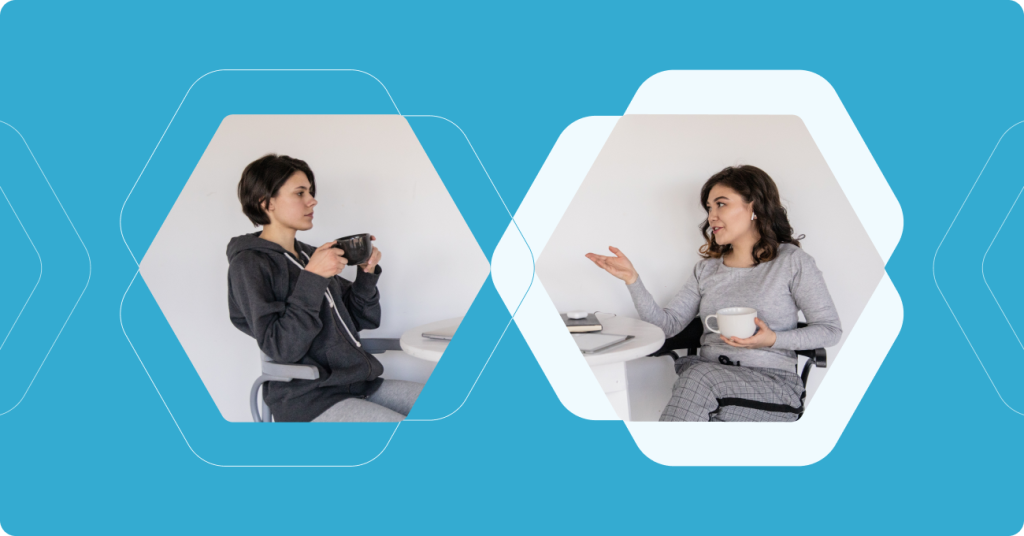
For collegiate athletes preparing to step into the workforce, mentorship is the secret playbook no one tells you about until you’re already on the field, wondering how to score. The transition from being an MVP on the court to navigating corporate cubicles or creative studios can be daunting, but having a great mentor—or being one—makes all the difference. Let’s dive into how mentorship can power your career like a well-executed game plan.
The MVP of Career Growth
Mentorship is a two-way street that benefits both the mentor and the mentee. For the mentee, it’s about gaining insights, avoiding pitfalls, and leveraging the mentor’s experience to fast-track growth. For the mentor, it’s a chance to reflect on their journey, give back, and stay connected to fresh perspectives. It’s like passing the ball to set up the next big play—everyone wins.
For student-athletes, finding a mentor can feel like spotting an open teammate in a crowded defense. You’re not just looking for someone successful; you need someone who aligns with your goals, values, and vibe. A great mentor will challenge you, support you, and celebrate your wins (even if they’re tiny, like finally nailing your elevator pitch without sounding like a robot).
How to Spot a Great Mentor
Finding the right mentor isn’t about cold-emailing every person on LinkedIn with a job title you admire. It’s about building authentic relationships. Think of mentorship as a team dynamic—chemistry matters. Start with people in your immediate circle: professors, alumni, coaches, or even upperclassmen who’ve walked the path you’re starting on.
When vetting potential mentors, look for these qualities:
- Experience: They’ve been where you’re trying to go and can offer practical advice.
- Availability: A great mentor carves out time for meaningful conversations, even if they’re busy.
- Empathy: They understand the unique challenges student-athletes face and approach mentorship with patience and encouragement.
If you find someone who ticks these boxes, congratulations—you’ve found your mentor MVP.
How to Be a Stellar Mentee
Once you’ve landed a mentor, it’s time to show up and do the work. Mentorship isn’t about sitting back while someone else steers the ship. Come prepared with questions, set clear goals, and be open to feedback (yes, even the tough kind).
Being coachable is second nature for athletes. Treat your mentor like your coach—they’re here to help you succeed, but they expect you to put in the effort. Send updates, share your wins, and don’t be afraid to ask for advice when you hit a roadblock. Remember, this relationship is about collaboration, not one-sided advice dumps.
Becoming a Mentor: Paying It Forward
At some point, you’ll find yourself on the other side of the mentorship equation, and that’s a beautiful thing. Being a mentor isn’t about having all the answers; it’s about sharing your journey and helping others navigate their own.
Think back to your first job interview or your first semester balancing athletics and academics. What advice would have saved you from sleepless nights or awkward mistakes? That’s the kind of guidance your mentees need. Whether you’re helping a freshman athlete pick a major or guiding a recent grad through their first job search, your insights are invaluable.
As a mentor, focus on listening as much as talking. Ask questions that help your mentee clarify their goals, and don’t be afraid to share your failures along with your successes. Authenticity is the currency of mentorship, and being real about your challenges makes you relatable and trustworthy.
The Ripple Effect of Mentorship
Great mentorship doesn’t just impact the people directly involved—it creates a ripple effect. When mentees succeed, they often go on to mentor others, spreading the wisdom and support they’ve received. This chain reaction builds stronger communities, teams, and even industries.
For collegiate athletes, mentorship can be the bridge between sports and the professional world. It’s a chance to leverage the discipline, resilience, and teamwork honed on the field and channel it into career success. Whether you’re finding a mentor, being one, or both, you’re contributing to a culture of growth and support that goes beyond individual achievements.
So, next time you’re pondering your next big career move or reflecting on the impact you’ve made, think about mentorship. Who can guide you? Who can you guide? Like any great play, it’s all about teamwork. With the right mentor—or mentee—you’ll find yourself not just winning the game but also inspiring others to play their best.