

The Globalization of Sports: Opportunities for International Careers

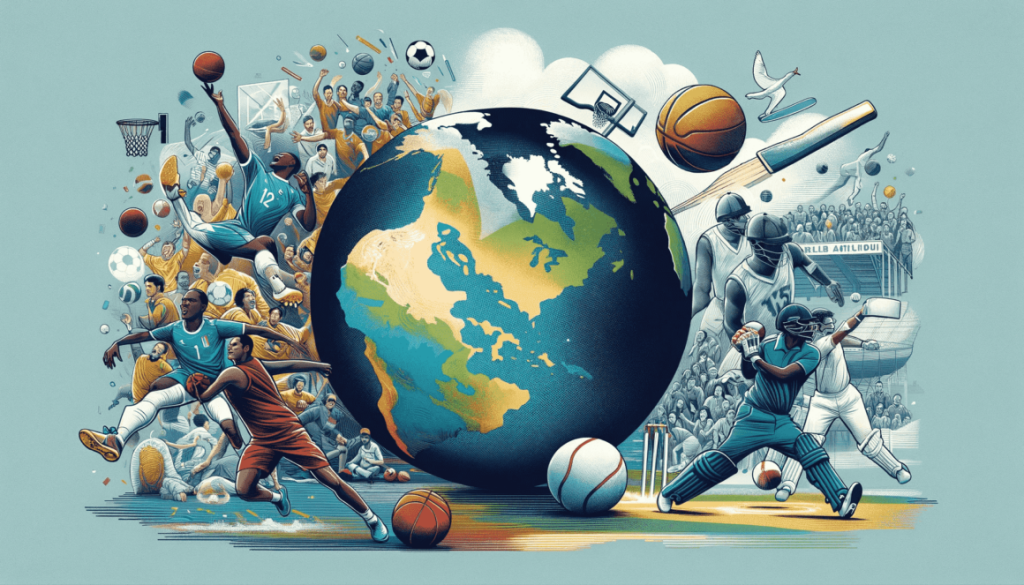
The globalization of sports has transformed the landscape of athletic careers, offering a wide range of opportunities for professionals to build international careers. As sports leagues, clubs, and organizations expand their influence beyond national borders, student-athletes and sports professionals find themselves part of a global industry that is growing at an unprecedented pace. In an era where digital platforms and media broadcast major sports events to millions of fans worldwide, the demand for talent with a global perspective continues to rise. For athletes, coaches, agents, sports managers, and marketers, this internationalization provides avenues for growth, learning, and career opportunities that span continents.
One of the driving forces behind the globalization of sports is the rapid rise in the popularity of sports across different regions. Global events such as the FIFA World Cup, the Olympics, and tennis’s Grand Slam tournaments highlight how sports can transcend cultural and national boundaries, captivating audiences regardless of their geographic location. This expansion has opened doors for athletes to pursue careers overseas, whether through playing for international teams, participating in global tournaments, or securing endorsement deals from brands that have global reach. For instance, soccer stars such as Lionel Messi and Cristiano Ronaldo have become household names not only in their home countries but around the world, thanks to international media coverage and social media platforms.
Beyond the high-profile athletes, globalization has also increased opportunities for professionals in coaching, sports science, and sports management. Coaches are no longer confined to the leagues of their home countries but can find positions in international clubs and national teams. The growing influence of Western coaching techniques in countries across Asia, the Middle East, and Africa reflects the increasing demand for expertise that was traditionally sourced from Europe or North America. International leagues, such as the Chinese Basketball Association (CBA) or Japan’s J-League in soccer, have also actively sought out foreign talent, not only for players but for coaching and technical staff, creating a cross-cultural exchange of knowledge and methodologies.
For student-athletes considering international careers, the opportunities are vast but often come with challenges. Transitioning to a new country means adapting to a different culture, language, and style of play. However, many athletes have found that these experiences enhance their skill sets, as they are exposed to different coaching styles, tactical systems, and competitive environments. Sports academies in Europe, for instance, have become a popular destination for young athletes from North America and other regions who are looking to refine their skills while competing at a high level. Similarly, U.S. college sports scholarships offer international athletes an opportunity to get an education while pursuing their sporting careers, especially in popular sports like basketball, track and field, and soccer.
The growth of digital platforms and technology has also played a significant role in the globalization of sports. Streaming services, social media, and digital content platforms have enabled sports to reach new audiences across the globe. This has expanded the market for sports marketing and broadcasting professionals who understand how to cater to international audiences and monetize content through various channels. Digital marketing strategies that once focused on a single region now require a global approach, necessitating an understanding of cultural preferences, languages, and consumer behavior in different parts of the world. Sports professionals who can navigate this complex environment are highly sought after, particularly in roles such as brand management, sponsorship coordination, and digital content creation.
The economic implications of sports globalization are also significant. With more international investments in sports teams and leagues, there is a growing need for professionals who can manage cross-border transactions, negotiate contracts in different currencies, and comply with international laws and regulations. For example, the English Premier League (EPL), one of the most-watched football leagues in the world, has benefitted from significant foreign investment, particularly from the Middle East, the U.S., and China. This influx of capital requires sports professionals who understand the financial and legal aspects of international business, such as sports lawyers, accountants, and agents who specialize in global negotiations.
Moreover, the rise of sports tourism has become another important aspect of the industry’s globalization. Events like the Rugby World Cup, Formula 1 Grand Prix races, and even regional tournaments attract thousands of fans who travel across the world to witness live sports. This phenomenon has created a niche for professionals in event management, hospitality, and tourism who can cater to international audiences. Companies specializing in sports travel packages, accommodation for fans, and VIP experiences have seen growing demand as more people are willing to travel internationally to watch their favorite teams or athletes compete.
The globalization of sports is also increasingly intertwined with politics and diplomacy. Major sporting events like the Olympics or FIFA World Cup often serve as platforms for countries to showcase their cultural heritage and enhance their international standing. Hosting these events involves complex logistics, infrastructure development, and coordination with international organizations, creating roles for professionals with expertise in international relations, logistics, and urban planning. The role of sports as a tool for soft power has become especially evident in countries like Qatar, which invested heavily in hosting the 2022 FIFA World Cup to bolster its image on the global stage.
In conclusion, the globalization of sports has not only broadened the scope of athletic careers but has also created a diverse range of opportunities for professionals across different sectors. As sports become more interconnected and cross-border, the demand for globally-minded professionals in coaching, management, marketing, and beyond will continue to rise. For those willing to embrace the challenges of working in an international environment, the world of sports offers an exciting and dynamic career path that transcends borders, cultures, and industries.