

The Evolution of Student-Athlete Sponsorships: From Scholarships to NIL

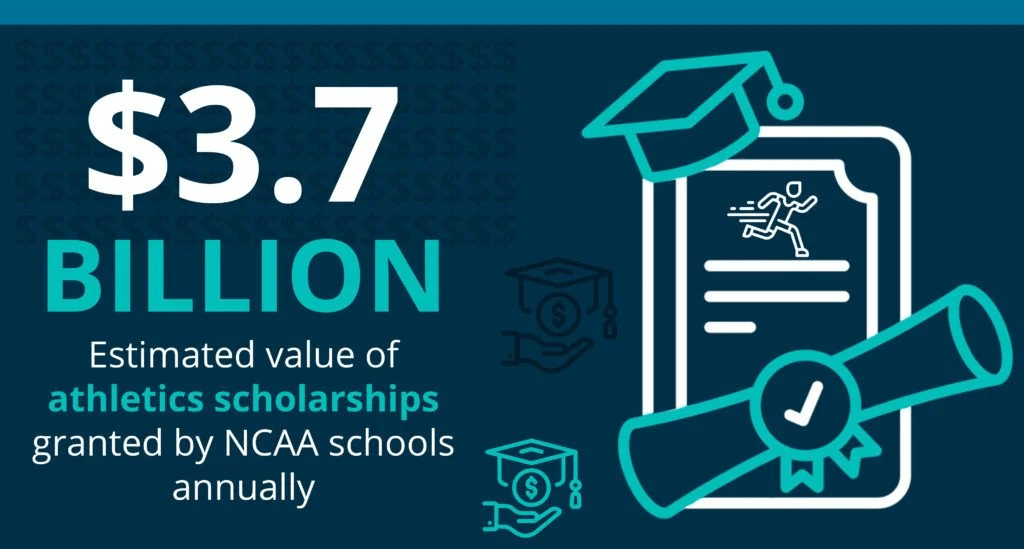
For decades, the relationship between student-athletes and compensation was strictly defined by a singular concept: scholarships. These athletic scholarships, provided by colleges and universities, served as the primary form of financial support for student-athletes, covering tuition, room, board, and sometimes additional expenses. However, the landscape of college athletics has undergone a seismic shift with the advent of Name, Image, and Likeness (NIL) opportunities. This evolution represents not only a change in how student-athletes can be compensated but also a broader transformation in the power dynamics and financial structures of collegiate sports.
The Era of Scholarships: A Singular Pathway
For much of the 20th century, scholarships were the holy grail for student-athletes. Introduced as a way to attract top talent to college athletic programs, scholarships provided the financial means for athletes to attend school while dedicating significant time and effort to their sports. In return, student-athletes were expected to compete at a high level, often under the intense scrutiny of fans, media, and scouts.
However, the scholarship model came with its own set of limitations. While it covered education-related expenses, it did not allow for any additional compensation, leaving student-athletes in a precarious financial position, especially those who came from economically disadvantaged backgrounds. Despite their contributions to billion-dollar industries like college football and basketball, student-athletes were barred from receiving any direct financial benefits from their athletic abilities beyond the scholarship.
This model was rooted in the concept of amateurism, which held that student-athletes should compete for the love of the game, not for monetary gain. The NCAA, the governing body of college sports, strictly enforced these rules, maintaining that the amateur status of student-athletes was essential to the integrity of college sports. Any violation of these amateurism rules, such as accepting money or gifts related to their athletic performance, could result in severe penalties, including loss of eligibility.
The Rising Tide of Change: Criticism and Legal Challenges
As college sports continued to grow in popularity and profitability, so did the criticism of the NCAA’s amateurism model. Critics argued that the system was exploitative, profiting immensely from the labor of student-athletes while denying them a share of the revenue they helped generate. High-profile cases, such as the O’Bannon v. NCAA lawsuit, brought these issues to the forefront, challenging the legality of the NCAA’s restrictions on student-athlete compensation.
The O’Bannon case, which began in 2009, centered around former UCLA basketball player Ed O’Bannon, who sued the NCAA over the use of his likeness in video games without compensation. The case highlighted the broader issue of how student-athletes’ identities were being commercialized without their consent or financial benefit. The legal battle eventually led to a ruling that the NCAA’s rules limiting compensation violated antitrust laws, setting the stage for further challenges to the status quo.
In parallel, the public discourse around the fairness of student-athlete compensation began to shift. Advocates argued that student-athletes should have the right to profit from their own names, images, and likenesses, especially in an era where social media and digital platforms had made it easier than ever for athletes to build personal brands. The idea that athletes could generate income through endorsements, appearances, and social media partnerships gained traction, putting pressure on the NCAA to reconsider its position.
The NIL Revolution: A New Era for Student-Athlete Compensation
The tipping point came in 2021, when the NCAA announced that it would allow student-athletes to profit from their name, image, and likeness. This decision marked a historic shift in college athletics, fundamentally altering the landscape of student-athlete compensation. The NIL era officially began on July 1, 2021, and with it came a wave of new opportunities for student-athletes across the country.
Under the new NIL rules, student-athletes can now sign endorsement deals, appear in advertisements, promote products on social media, and even create their own businesses. For the first time, student-athletes can capitalize on their personal brands while still in school, allowing them to earn money in ways that were previously unimaginable.
The impact of NIL has been profound. High-profile athletes, particularly those in popular sports like football and basketball, have secured lucrative deals with major brands. But NIL has also opened doors for athletes in less prominent sports and at smaller schools, who can now monetize their local fame or niche followings. The democratization of endorsement opportunities means that even athletes with smaller platforms can find ways to generate income.
Challenges and Future Implications
While the NIL era has brought new opportunities, it has also introduced new challenges. The lack of uniform regulations across states and schools has led to a patchwork of rules, creating confusion and disparities in how NIL is implemented. Additionally, there are concerns about the potential commercialization of college sports and the impact on team dynamics, with some athletes earning significantly more than their peers.
Moreover, the introduction of NIL has raised questions about the future of amateurism in college sports. As student-athletes gain more financial power, the traditional model of college athletics may continue to evolve, potentially leading to further reforms, such as revenue-sharing agreements between schools and athletes.
The evolution of student-athlete sponsorships from scholarships to NIL represents a pivotal moment in the history of college sports. What began as a system designed to support athletes’ education has transformed into a more complex landscape where student-athletes can finally share in the financial benefits of their talents. As the NIL era continues to unfold, it will undoubtedly shape the future of college athletics, challenging long-held assumptions and creating new opportunities for the next generation of student-athletes.