

The Corporate Value of Team Dynamics: What HR Can Learn From Locker Rooms

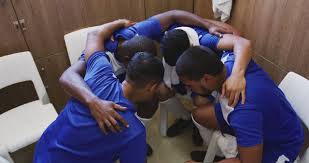
In the world of sports, a championship team isn’t just a collection of individual talent—it’s a well-oiled machine built on trust, communication, and shared goals. The same principles that turn a group of athletes into a winning team can also transform a workplace into a thriving, high-performing organization. If HR professionals want to foster collaboration and productivity, they need to take a page out of the locker room playbook.
The Power of Role Clarity
In sports, every player has a specific role. A quarterback doesn’t try to be a linebacker, and a goalie isn’t expected to score goals. Great teams succeed when each member knows their responsibilities and trusts others to handle theirs. In the corporate world, confusion over roles leads to inefficiencies, duplicated work, and frustration. HR can improve team dynamics by ensuring that job roles and expectations are clear, helping employees understand how their contributions fit into the bigger picture.
Communication: The Game-Changer
Sports teams that don’t communicate effectively fall apart. Whether it’s a point guard calling out a play or a catcher signaling to a pitcher, constant, clear communication is the foundation of teamwork. The same is true in the workplace. HR should encourage open communication through regular check-ins, transparent leadership, and a culture where employees feel comfortable speaking up. Just like in sports, a workplace with strong communication is one where collaboration thrives.
Psychological Safety and Team Success
Great coaches create environments where players can make mistakes without fear of being benched indefinitely. This psychological safety allows athletes to learn, take risks, and improve. In corporate settings, when employees fear speaking up or making errors, creativity and innovation suffer. HR can help cultivate a safe and supportive work environment by emphasizing learning over punishment, encouraging constructive feedback, and rewarding team efforts rather than individual heroics.
Coaching and Development
Athletes don’t stop training once they make the team; they are constantly improving through coaching. The best leaders in business act as coaches, helping employees develop their skills, recognize strengths, and work on weaknesses. HR teams can learn from this by prioritizing mentorship, leadership development programs, and continuous learning opportunities. Investing in people’s growth leads to long-term success, just like in sports.
The Unifying Force of a Shared Goal
The best teams rally around a common goal—winning a championship, making the playoffs, or improving season over season. In the workplace, the most effective teams work toward a shared mission, not just individual success. HR can help create this unity by reinforcing company values, setting clear objectives, and celebrating team accomplishments. When employees feel like they’re working toward something meaningful, engagement and motivation skyrocket.
Locker rooms and boardrooms might seem worlds apart, but the best teams—whether in sports or business—are built on the same principles: trust, communication, clear roles, and continuous development. HR professionals who embrace these lessons will help build workplaces where collaboration isn’t just a buzzword—it’s the winning strategy.