

Sport and the Metaverse: How Virtual Worlds Are Changing Athletic Engagement

The metaverse, a virtual world where digital and physical realities merge, has quickly emerged as one of the most transformative technologies in recent years. While it began as a concept rooted in gaming and entertainment, its impact has since expanded to various sectors, including sports. Athletes, teams, and sports organizations are now exploring how the metaverse can change the way fans interact with the sports they love, as well as how athletes engage with their audiences. From virtual stadiums to immersive fan experiences, the metaverse is ushering in a new era of athletic engagement that has the potential to redefine the sports industry.
Virtual Stadiums and Immersive Game-Day Experiences
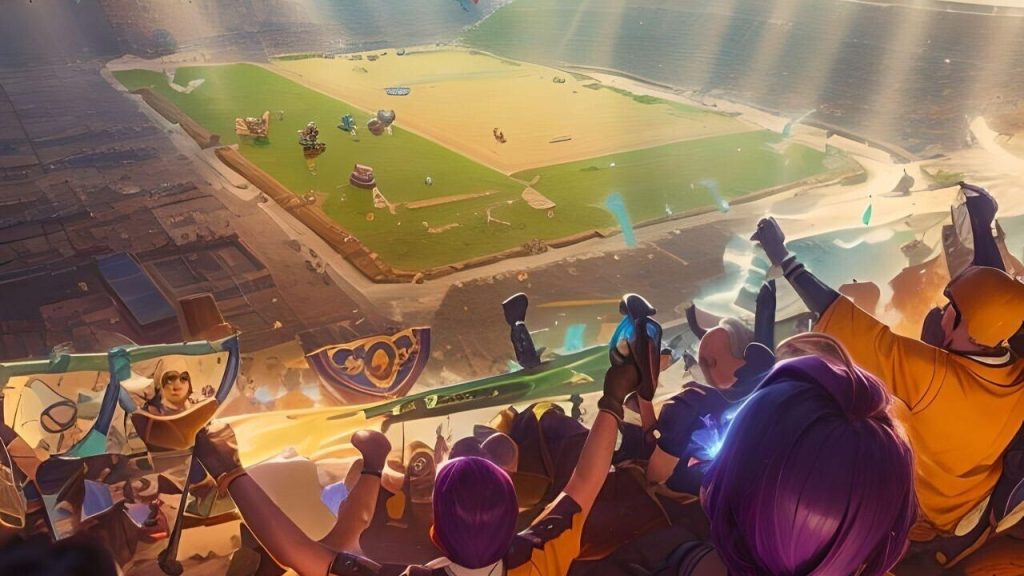
One of the most promising developments in the intersection of sports and the metaverse is the creation of virtual stadiums, where fans can gather in a digital environment to watch live games. These virtual arenas replicate the excitement of in-person attendance, allowing users to experience the atmosphere of a game day without leaving the comfort of their homes. Platforms like Decentraland and Roblox have already hosted virtual events, including concerts and sports matches, offering fans new ways to engage with their favorite teams and athletes.
Virtual stadiums offer several benefits that traditional venues cannot. First, they eliminate geographic boundaries, giving fans from around the world the opportunity to attend events that would have otherwise been inaccessible. This expanded reach allows teams to grow their fan base globally, tapping into new markets that were previously out of reach. Additionally, virtual stadiums offer fans more control over their experience. Whether it’s choosing a front-row seat, interacting with other fans in real-time, or accessing exclusive content during the game, the metaverse empowers fans to personalize their engagement in ways that were unimaginable just a few years ago.
Furthermore, virtual reality (VR) and augmented reality (AR) technologies are being integrated into these experiences to create even more immersive game-day environments. Fans equipped with VR headsets can feel as though they are physically present in the stadium, while AR enhances real-world experiences by overlaying digital elements onto live games. For example, AR can be used to display real-time statistics or replays on a user’s mobile device while they are watching a game. These innovations represent a shift toward a more interactive, fan-centric approach to sports entertainment.
Athlete-Fan Interactions in the Metaverse
The metaverse is also providing new opportunities for athletes to engage with their fans on a deeper level. Traditionally, athlete-fan interactions have been limited to social media posts, autograph sessions, and occasional public appearances. In the metaverse, however, these interactions can become much more dynamic and personalized. Athletes can host virtual meet-and-greets, training sessions, and even one-on-one conversations with their most dedicated fans. This type of engagement helps to humanize athletes, allowing them to build stronger, more authentic connections with their supporters.
Some athletes are even embracing the metaverse by creating their own digital avatars, which fans can interact with in virtual environments. These avatars can appear in games, sponsor branded content, or participate in fan events. The flexibility of the metaverse allows athletes to extend their personal brands beyond the physical world, reaching audiences that are increasingly spending time in digital spaces.
Additionally, the metaverse enables athletes to monetize their virtual presence in new ways. Through digital assets like non-fungible tokens (NFTs), athletes can offer exclusive content, memorabilia, or experiences to their fans. These NFTs can range from limited-edition highlights of a player’s best moments to exclusive access to private virtual events. By creating and selling NFTs, athletes can generate additional revenue streams while providing fans with a unique form of memorabilia that goes beyond traditional collectibles like jerseys or autographs.
Revolutionizing Training and Performance
Beyond fan engagement, the metaverse is also starting to impact how athletes train and prepare for competition. Virtual reality training simulations are becoming increasingly popular in sports like football, basketball, and even motorsports. These simulations allow athletes to practice in a highly controlled environment, where they can review plays, practice decision-making, and refine their skills without the physical wear and tear of traditional training.
For example, quarterbacks in the NFL can use VR to simulate game scenarios, allowing them to visualize defensive formations and practice their timing and accuracy. Similarly, basketball players can use VR to work on shooting mechanics or situational awareness during a game. These technologies are not only improving performance but also reducing the risk of injury, as athletes can spend more time honing their skills in a low-impact, virtual environment.
The metaverse is also helping athletes monitor and optimize their physical performance. Wearable technology that tracks metrics like heart rate, speed, and endurance can be integrated into virtual training environments, giving athletes real-time feedback on their performance. This data can then be used to fine-tune training regimens and improve overall athletic outcomes.
Expanding Sponsorship and Marketing Opportunities
The rise of the metaverse has also opened up new avenues for sponsorship and marketing within the sports industry. Brands are increasingly looking to the metaverse as a way to reach younger, digitally-native audiences who may not engage with traditional advertising. In virtual worlds, sponsors can place branded content directly within the fan experience, whether it’s through virtual billboards, in-game sponsorships, or branded merchandise for avatars.
Sports teams and leagues are capitalizing on this trend by creating exclusive digital merchandise, such as virtual jerseys, shoes, and other gear that fans can purchase and use in the metaverse. These branded items not only serve as a revenue stream but also act as a form of self-expression for fans, who can showcase their allegiance to a team or athlete in virtual spaces.
As the metaverse continues to evolve, so too will the opportunities for brands to engage with sports fans in meaningful and innovative ways. From interactive advertising campaigns to exclusive virtual sponsorships, the metaverse offers a fertile ground for marketers to experiment with new strategies and connect with audiences in ways that traditional media cannot.
A New Frontier for Sports
The fusion of sport and the metaverse represents a new frontier for both athletes and fans. As technology continues to advance, the ways in which we engage with sports will likely become more immersive, interactive, and personalized. The metaverse offers limitless potential for innovation, and its impact on athletic engagement is only beginning to be realized.
With virtual stadiums, enhanced fan experiences, athlete interactions, and new training tools, the metaverse is poised to transform how sports are experienced on a global scale. Athletes, teams, and fans alike are stepping into a new era of digital engagement, where the boundaries of reality and virtual worlds blur, creating exciting new possibilities for the future of sports.