

Pivoting to Coaching: From Playing the Game to Leading the Team

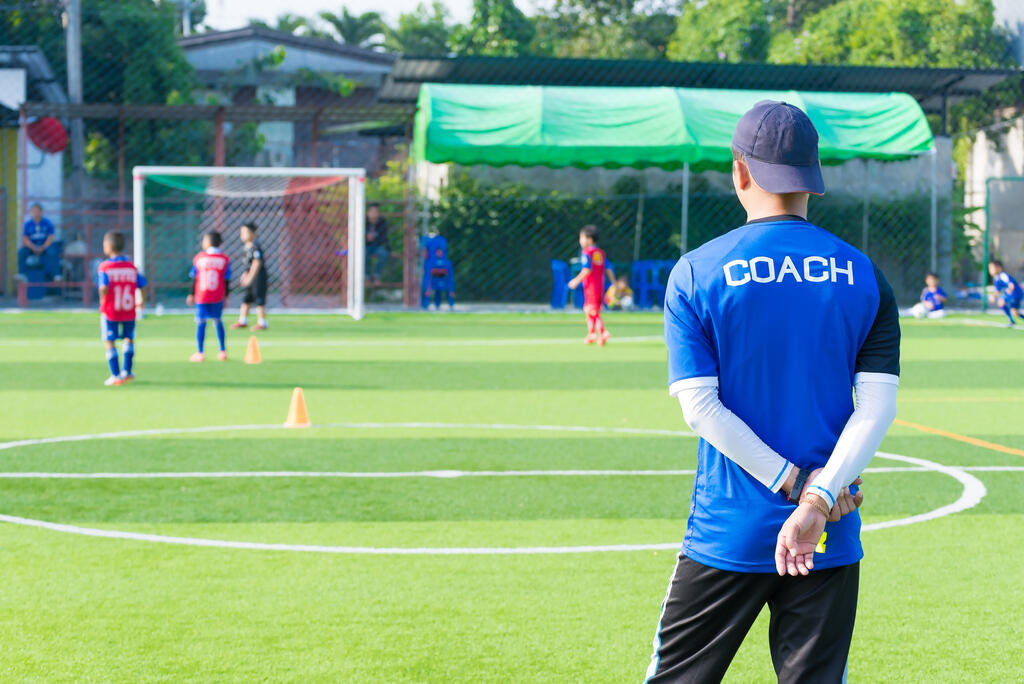
For student-athletes, life beyond the playing field can feel like staring down a whole new opponent. The final whistle blows, and suddenly, the routines you’ve known for years—practice, game days, film sessions—come to an end. But here’s the thing: your love for the game doesn’t have to retire along with your jersey. Coaching offers a chance to stay in the sport you’re passionate about while leading the next generation to greatness.
Switching from playing to coaching isn’t just a career shift; it’s an evolution. It’s the ultimate pivot, where you move from being the star on the field to being the person who helps others shine. And let’s face it, you’ve spent years listening to your coach yell, “One more rep!” It’s your turn to pick up the clipboard and shout motivational slogans.
Carrying Lessons from the Game
As an athlete, you’ve already been through the emotional roller coaster of victory, defeat, and the occasional referee you swear had it out for your team. These experiences give you an insider’s perspective that players respect and relate to. You know what it feels like to push through pain, to rally your team when the scoreboard isn’t in your favor, and to find joy in small victories.
When you pivot to coaching, you carry these lessons with you, not as memories but as tools. Your ability to empathize with players becomes your superpower. They’ll look at you and think, “You’ve been in my shoes.” That connection is where trust begins—and trust is what turns a group of individuals into a team.
Mastering the Art of Leadership
Here’s a secret: coaching isn’t just about teaching techniques or running drills. It’s about creating an environment where players feel inspired to give their all. Leadership in coaching requires adaptability, patience, and a sprinkling of humor (especially when working with teenagers who think they already know everything).
As a player, your leadership was often about leading by example. As a coach, it’s about bringing out the best in others. Sometimes that means being a cheerleader, other times it means being a tough-love motivator. The balance is delicate, but if anyone can handle it, it’s a former athlete who knows how to read the room—or the locker room.
Translating Xs and Os to Life Lessons
While a great coach knows their Xs and Os, the truly memorable ones go beyond the game. Think back to the coaches who inspired you. Chances are, they weren’t just shouting plays—they were teaching resilience, discipline, and teamwork.
As a coach, you’ll have the chance to be that person. Whether it’s encouraging players to take responsibility for their mistakes or teaching them how to handle pressure with grace, you’ll be shaping not only athletes but future professionals, leaders, and community members.
Coaching isn’t just about winning championships (though, let’s be honest, that’s always fun). It’s about creating an impact that lasts far beyond the final buzzer. The best part? Every now and then, a former player will reach out years later and thank you for helping them grow. That’s when you know you’ve nailed it.
The Challenges—and Rewards—of the Role
Make no mistake, coaching comes with its own set of challenges. You’ll find yourself navigating parent emails, managing team dynamics, and trying to decipher who left their sweaty socks in your car after the last away game. But it’s all part of the package.
The rewards, however, are unmatched. Watching a player finally nail a skill they’ve been struggling with? That’s magic. Seeing your team come together after a tough loss and rise to the occasion the next time they hit the field? That’s the stuff that keeps you coming back.
And let’s not forget the occasional perks—like getting to wear a whistle around your neck and feeling like a boss every time you blow it. Power move, right?
Building Your Coaching Style
No two coaches are the same. Some thrive as tacticians, meticulously planning each play. Others are motivators, channeling energy and enthusiasm to inspire players. Your style will reflect your personality and experiences, so don’t feel the need to imitate anyone else.
What’s important is authenticity. Players can spot fake enthusiasm from a mile away, so lean into what makes you unique. If you’re naturally calm and analytical, own it. If you’re the energetic type who turns warm-ups into pep rallies, go for it. The key is to find a style that feels genuine and sticks to it.
Staying in the Game
For former athletes, coaching offers the perfect balance: staying connected to the sport you love while passing on the lessons you’ve learned. It’s not just a career—it’s a calling. You’re helping shape not only the next great athletes but also the next great people.
So, pick up that clipboard, dust off your old pep talks, and step onto the sideline. Your team is waiting, and they need a leader who knows what it takes to win—not just in sports, but in life.