Passing the Baton: How Athletes Can Harness Mentorship for Career Success

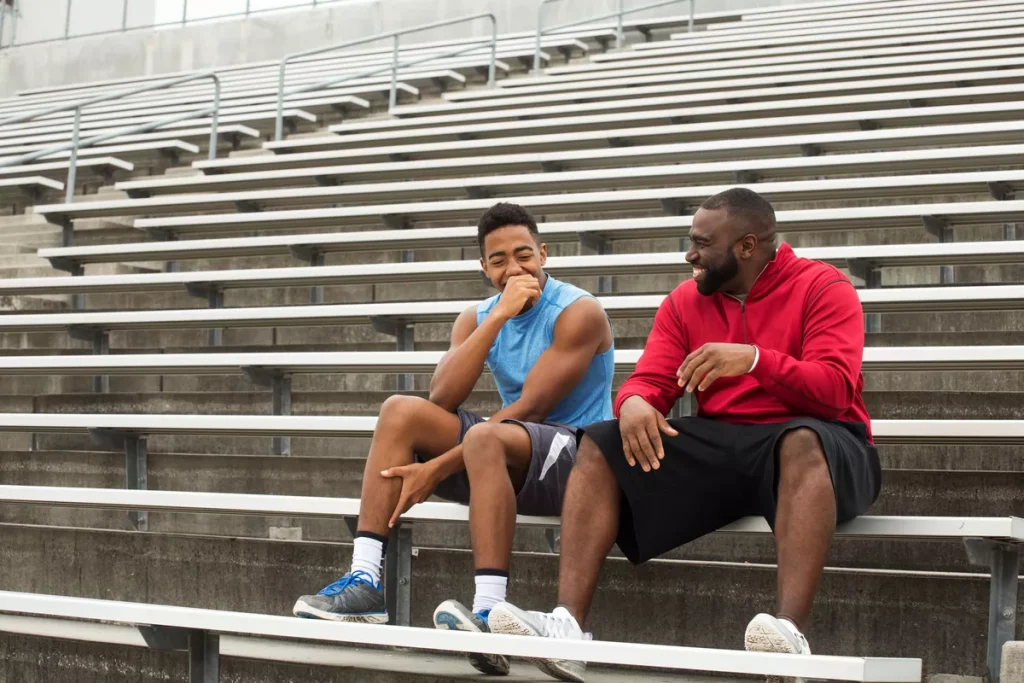
For student-athletes, life after sports can feel like stepping into a whole new game without a playbook. The stakes are high, the rules are murky, and the opposition? Let’s just say it’s not as straightforward as that rival team you’ve been battling for four seasons. This is where a mentor swoops in—not as a coach with a whistle but as a guide with real-world experience to help you navigate the career landscape like a seasoned pro.
Finding a mentor and making the most of that relationship can be as transformative as hitting a buzzer-beater or nailing a personal best. Mentorship isn’t just about advice; it’s about partnership. A good mentor helps you see the big picture, dodge the pitfalls, and even celebrate your career victories (bonus: no wind sprints involved). So, how can athletes find these career coaches and use their insights to score big? Let’s break it down.
Why Athletes Need Mentors
Athletes thrive on structure. Your life has been an intricate dance of practice schedules, game days, and training regimens, all under the watchful eyes of coaches. But stepping into the professional world often feels like switching to freestyle. Suddenly, there’s no coach barking instructions or teammates holding you accountable. That’s where mentors come in.
Mentors provide a roadmap for navigating uncharted territory. They’ve been in the trenches, tackled the tough plays, and come out on top. Whether you’re aiming for a career in sales, engineering, or sports management, a mentor can help you translate your on-field skills—discipline, resilience, teamwork—into career superpowers.
Finding the Right Mentor
Finding a mentor isn’t like swiping right on a career dating app (although, wouldn’t that be nice?). It’s about building authentic connections with people who inspire you and align with your goals.
Start by tapping into your network. Your coaches, professors, athletic department staff, or even alumni from your program are a goldmine of potential mentors. Attend networking events, alumni panels, or career fairs, and don’t be shy about reaching out on LinkedIn. A simple message that highlights your shared connection—like playing for the same school or majoring in the same field—can be the start of a great mentorship journey.
Pro tip: Don’t just focus on finding someone in the exact career you’re targeting. Sometimes, a mentor in a completely different field can offer fresh perspectives and challenge your thinking in ways you didn’t expect.
Building the Mentorship Playbook
So, you’ve found someone willing to guide you. What’s next? First, ditch the idea that your mentor is going to spoon-feed you answers. Think of them as a co-captain, not a helicopter parent. It’s your job to bring the questions, the ambition, and yes, the occasional follow-up email (but don’t go overboard—you’re building a relationship, not writing a daily diary).
Start by setting clear goals. Do you want help building your network, understanding industry trends, or preparing for interviews? Share your objectives upfront so your mentor knows how to guide you. Remember, mentors are busy people, so respecting their time is key. Show up to every meeting prepared with thoughtful questions and an open mind.
And don’t forget to listen. Sometimes, the most valuable advice comes in the form of a story about your mentor’s own stumbles and recoveries. Let their experiences be your springboard.
Learning the Art of Leverage
Here’s the secret sauce: Mentorship is a two-way street. While you’re soaking up wisdom, don’t forget to add value in return. Share your unique perspective as an athlete—you’ve spent years mastering discipline, time management, and the art of performing under pressure. These traits are gold in the professional world, and your mentor will appreciate hearing how they translate to your career goals.
Leverage your mentor’s network too, but with finesse. Instead of asking, “Can you get me a job?” try something like, “Do you know anyone in this field who might be open to a conversation?” This approach keeps the relationship collaborative rather than transactional.
Mentors can also act as your unofficial cheerleader. When you land an internship, ace an interview, or get promoted, share the news! Not only does it strengthen your bond, but it also shows your mentor that their guidance is making a tangible impact.
Passing It Forward
The best part of mentorship? One day, you’ll get to return the favor. As you advance in your career, you’ll have the chance to mentor the next generation of student-athletes. Imagine sharing your journey, your hard-earned wisdom, and your favorite “rookie mistake” stories with someone just starting out.
Mentorship is like a relay race. Someone hands you the baton, and it’s your job to run your leg of the race and pass it forward. Each time you do, you’re contributing to a culture of growth, connection, and shared success—a legacy that’s just as rewarding as any championship trophy.
Final Thoughts
For student-athletes, mentorship isn’t just a career tool; it’s a game-changer. The right mentor can help you turn your raw potential into polished success. So go ahead, make that connection, ask those questions, and soak up all the wisdom you can. Because when it comes to building a career, even the best athletes know they can’t do it alone.