

Nutrition Essentials for Student-Athletes

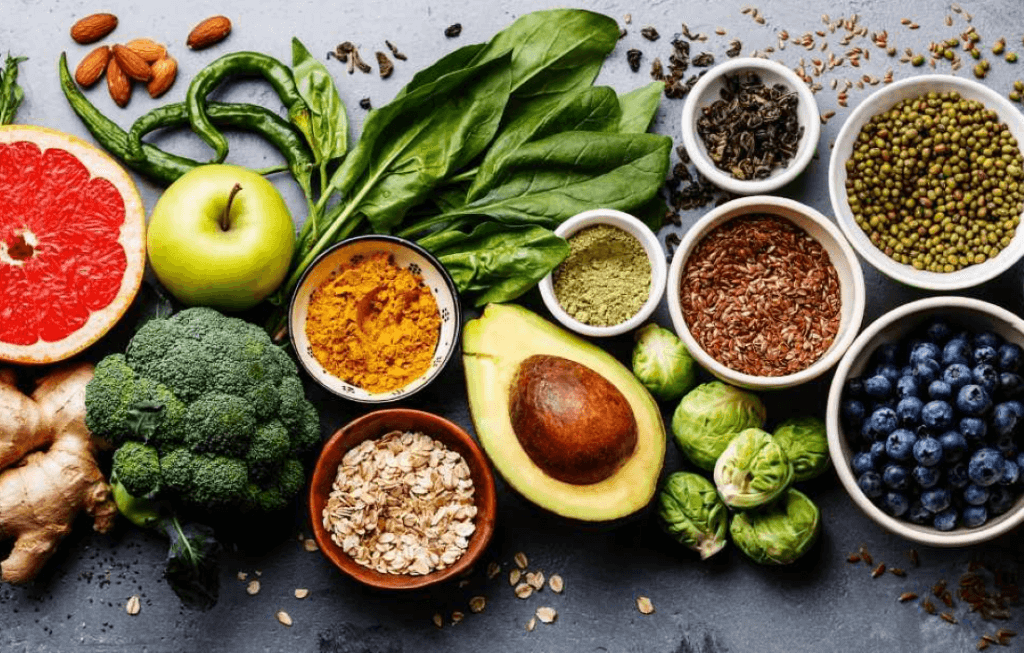
Student-athletes face unique nutritional demands due to their intense training schedules and the need for optimal performance both academically and athletically. Proper nutrition plays a critical role in fueling their bodies, aiding recovery, and enhancing overall performance. This article delves into the macronutrient and micronutrient needs, meal planning strategies, hydration tips, and healthy snack ideas tailored for student-athletes.
Macronutrient Needs
Macronutrients are the primary sources of energy for athletes and include carbohydrates, proteins, and fats.
- Carbohydrates:
- Role: Carbohydrates are the primary energy source for high-intensity activities. They are stored as glycogen in muscles and the liver, which is crucial for sustaining prolonged physical activity.
- Requirements: Student-athletes should aim for 55-60% of their total caloric intake from carbohydrates. This translates to about 3-5 grams of carbohydrates per pound of body weight daily.
- Sources: Whole grains, fruits, vegetables, and legumes.
- Proteins:
- Role: Proteins are essential for muscle repair and growth, especially after strenuous exercise.
- Requirements: Athletes should consume 10-15% of their total calories from protein, equivalent to 0.5-0.8 grams per pound of body weight daily.
- Sources: Lean meats, fish, dairy products, eggs, beans, and nuts.
- Fats:
- Role: Fats provide a concentrated source of energy and are vital for the absorption of fat-soluble vitamins.
- Requirements: About 20-30% of an athlete’s total caloric intake should come from fats, focusing on unsaturated fats.
- Sources: Avocados, nuts, seeds, olive oil, and fatty fish.
Micronutrient Needs
Micronutrients, including vitamins and minerals, are crucial for various bodily functions, such as energy production, bone health, and immune function.
- Calcium:
- Role: Essential for bone health and muscle function.
- Sources: Dairy products, leafy greens, and fortified plant-based milks.
- Iron:
- Role: Important for oxygen transport in the blood and preventing fatigue.
- Sources: Red meat, poultry, fish, lentils, and spinach.
- Vitamin D:
- Role: Crucial for bone health and immune function.
- Sources: Sun exposure, fatty fish, fortified dairy products, and supplements if necessary.
- B Vitamins:
- Role: Key for energy production and red blood cell formation.
- Sources: Whole grains, meats, dairy products, and leafy greens.
Meal Planning
Effective meal planning ensures that student-athletes consume the right nutrients at the right times to support their training and recovery.
- Pre-Workout Meals:
- Timing: Eat 3-4 hours before exercise.
- Components: A balanced meal with complex carbohydrates, lean protein, and a small amount of healthy fats. Example: Whole-grain pasta with chicken and vegetables.
- Post-Workout Meals:
- Timing: Consume within 30-60 minutes after exercise.
- Components: A combination of carbohydrates and protein to replenish glycogen stores and repair muscles. Example: A smoothie with banana, protein powder, and almond milk.
- Daily Meal Structure:
- Breakfast: High in carbohydrates and protein. Example: Oatmeal with berries and Greek yogurt.
- Lunch: Balanced meal with lean protein, whole grains, and vegetables. Example: Quinoa salad with grilled chicken and mixed vegetables.
- Dinner: Emphasis on lean protein and a variety of vegetables. Example: Grilled salmon with sweet potatoes and steamed broccoli.
Hydration
Proper hydration is critical for maintaining performance and preventing injuries.
- Daily Fluid Needs:
- General Guideline: Aim for at least half an ounce to an ounce of water for each pound of body weight daily.
- Before Exercise: Drink 17-20 ounces of water 2-3 hours before exercise.
- During Exercise: Drink 7-10 ounces every 10-20 minutes.
- After Exercise: Drink 16-24 ounces for every pound of body weight lost during exercise.
- Electrolyte Balance:
- Include electrolyte-rich beverages if exercising for more than an hour. Examples include sports drinks or coconut water.
Healthy Snack Ideas
Healthy snacks help maintain energy levels throughout the day and provide necessary nutrients.
- Fruit and Nut Butter:
- Apple slices with almond butter.
- Greek Yogurt and Berries:
- High in protein and antioxidants.
- Hummus and Vegetables:
- Carrot sticks, bell pepper slices, and hummus.
- Whole Grain Crackers and Cheese:
- Provides a balance of carbohydrates and protein.
- Smoothies:
- Blend fruits, vegetables, protein powder, and almond milk for a nutrient-packed snack.
Proper nutrition, including adequate macronutrient and micronutrient intake, structured meal planning, consistent hydration, and healthy snacking, is essential for student-athletes to perform at their best. By prioritizing these aspects of their diet, student-athletes can enhance their athletic performance, support their academic efforts, and maintain overall health and well-being.