

Navigating Life After Sports: The Emotional Journey of a Retired College Athlete

For many student-athletes, the end of their collegiate sports career marks the closing of a major chapter in life. After years of intense physical training, competition, and the camaraderie of teammates, the transition away from athletics can be emotionally challenging. The structured environment of practices, games, and the support system of coaches and teammates disappears, leaving a void that’s difficult to fill. This phase is more than just about career decisions—it’s an emotional journey, one where identity, purpose, and future aspirations need to be redefined. For some, the shift can be smooth, but for many others, it’s an uphill battle.
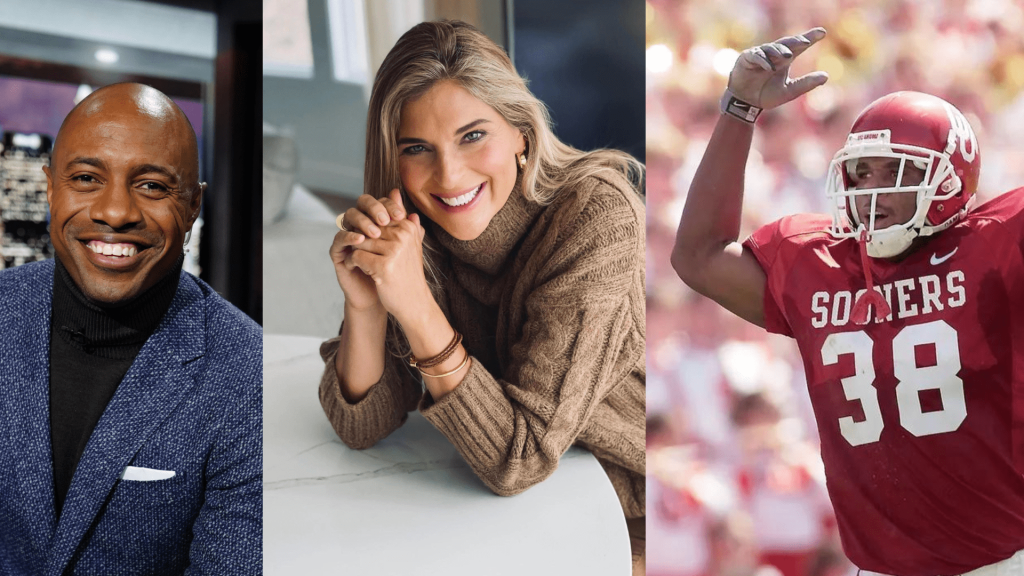
Consider former college basketball player Jay Williams, who played for Duke University before turning professional. After a promising start in the NBA, Williams’ career was abruptly halted by a severe motorcycle accident. The transition from being a celebrated athlete to facing life without the sport he loved was emotionally overwhelming for him. Williams openly shared the difficulties of redefining his life and finding a new purpose. He eventually found success as an ESPN analyst, author, and motivational speaker, but the emotional toll of stepping away from basketball was significant.
The emotional journey begins with the inevitable loss of identity. For years, college athletes have been known primarily for their talents on the field or court. Their identity is intricately tied to their sport, often starting from a young age when they were defined as “the athlete” in their communities, schools, and families. When the time comes to step away from the game, they face the daunting task of answering the question: “Who am I without my sport?”
Take Dara Torres, an Olympic swimmer who continued her career well past her college years at the University of Florida. Torres competed in five Olympic Games, which is unheard of for most athletes. After retiring, Torres expressed how difficult it was to adjust to life without the adrenaline rush of competition. The structured routine that had shaped her life was no longer there, leading to feelings of confusion and loss. While Torres transitioned into a new chapter as a fitness advocate, author, and public speaker, she has often spoken about how the emotional struggle to adapt after sports was as challenging as her athletic career itself.
In many cases, former athletes also experience a loss of community. Team dynamics foster strong bonds between players, creating friendships built on shared experiences, mutual goals, and a deep understanding of what it takes to compete at a high level. These relationships are not easily replicated in other areas of life, leaving many athletes feeling isolated when they retire. Without the daily presence of teammates and coaches, the sense of belonging and mutual support can quickly fade. The absence of a familiar network can lead to feelings of loneliness and depression, making the emotional journey even more difficult.
A former University of Oklahoma football star, Roy Williams, has shared how he struggled with this transition after leaving sports. As a college athlete, Williams was part of a close-knit team with coaches and players who became like family. But after retirement, he found himself disconnected from that support system. Williams spoke about the emotional challenges of navigating life on his own and how important it was for him to seek out new communities, including working with youth sports and mentoring young athletes. It took time, but he eventually built a new support system to help ease his emotional transition away from the game.
For many retired college athletes, coping with the lack of routine and direction is one of the hardest aspects of post-sports life. As athletes, their lives were highly regimented—early morning workouts, practices, and game schedules dictated their days. Without that structure, it’s easy to feel lost. The endless hours once spent in training, study sessions, and preparation suddenly open up, leaving a void that must be filled with something meaningful. But the challenge is not just filling time; it’s about finding a purpose that resonates on the same level as their sport once did.
Former volleyball player Gabrielle Reece faced this same struggle after her collegiate career at Florida State University. After stepping away from professional beach volleyball, Reece explored various interests, including modeling and fitness training. She shared that one of her biggest emotional challenges was figuring out what could provide her with the same level of fulfillment that volleyball once did. Eventually, she channeled her energy into fitness advocacy, family life, and entrepreneurship, but she often speaks candidly about the emotional adjustment and the effort it took to find new purpose and direction.
Despite the emotional difficulties that come with leaving sports, the journey can also be one of growth and self-discovery. Many athletes, once they give themselves the time and space to explore their interests, find new passions that were previously untapped. Whether it’s entering a new career, mentoring young athletes, or advocating for social change, the emotional challenges of transition can ultimately lead to profound personal growth. The resilience and determination developed during years of competition serve former athletes well as they navigate new terrain.
As more athletes openly discuss the emotional struggles that accompany retirement, it’s clear that the journey is both complex and deeply personal. There’s no one-size-fits-all approach to navigating life after sports. For some, it takes years to come to terms with the change, while others find new purpose more quickly. The key is acknowledging the emotional weight of the transition and recognizing that the skills learned in sports—resilience, discipline, and teamwork—can be carried forward into whatever comes next. It’s not about leaving the game behind, but about finding new ways to keep moving forward.