

National Signing Day: Understanding the Changes and Preparing for the Future

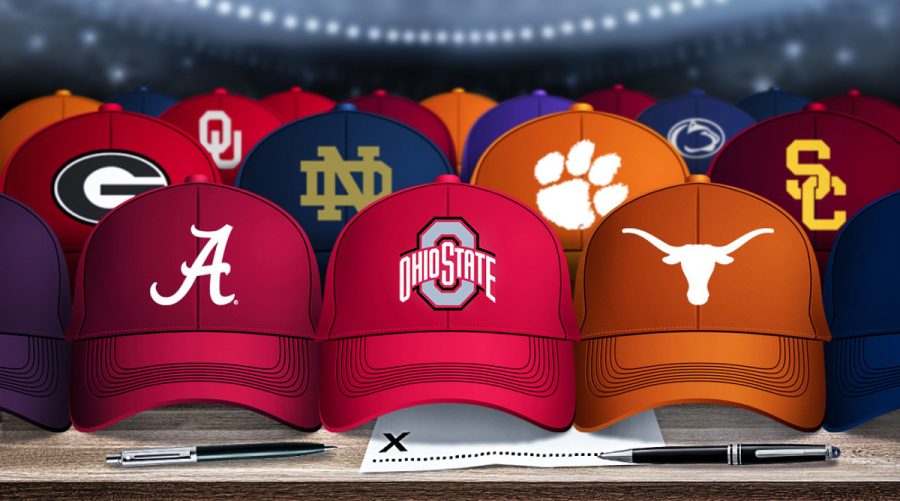
National Signing Day represents a milestone in a student-athlete’s journey, marking the culmination of years of hard work and dedication. For decades, this day has been celebrated as the moment athletes officially commit to the colleges and programs that will shape their academic and athletic futures. However, recent changes to the process have brought significant adjustments that athletes and their families must understand to navigate this pivotal moment successfully.
What’s Changing in National Signing Day?
In October 2024, the NCAA made a landmark decision to retire the National Letter of Intent (NLI), a cornerstone of college sports recruiting for 60 years. Starting with the Class of 2025, the NLI will be replaced by financial aid agreements. This shift is part of broader changes in college athletics, including modifications to scholarship limits, recruiting calendars, and transfer portal rules.
The financial aid agreement formalizes an athlete’s commitment to a college, guaranteeing their athletic aid while removing some of the complexities associated with the NLI. Unlike the NLI, which focused heavily on restrictions and penalties, the new agreements offer a more flexible and athlete-centered approach.
The Significance of National Signing Day
National Signing Day remains a celebration of achievement and potential. It is the first day athletes can officially sign financial aid agreements, symbolizing their acceptance into a college program. This day is often marked by ceremonies, team gear, and public recognition of an athlete’s accomplishments and commitment to their future.
While Signing Day is a major event, athletes can sign their agreements throughout the designated signing period for their sport. For the 2024-25 academic year, the signing period for most sports begins on November 13, 2024, and extends through August 1, 2025.
Early Signing vs. Regular Signing Periods
Athletes who feel confident in their college choice may opt to sign during the early signing period. This decision allows them to finalize their recruiting journey and focus on their final year of high school. However, waiting for the regular signing period can provide additional time to weigh offers, though it comes with risks. Coaches may question an athlete’s commitment if they decline to sign during the early period, potentially reallocating the offer to another recruit.
The regular signing period begins on the official National Signing Day, offering athletes who waited an opportunity to secure their spots. While the early period provides convenience, the regular period is equally significant for those still navigating their decisions.
Preparing for National Signing Day
To ensure a smooth signing process, athletes should be prepared to meet specific requirements. A written offer of athletic aid must be signed within seven days of issuance if received during the signing period. If the offer arrives before the period begins, the athlete must wait until the first day of the period to sign. The document must also be signed by a parent or legal guardian if the athlete is under 21.
It’s important to note that signing a financial aid agreement does not guarantee admission to the college or NCAA eligibility. Athletes must complete the eligibility process and meet the school’s admissions standards before they can compete.
Key Considerations Before Signing
Signing a financial aid agreement is a significant commitment. Before making their decision, athletes should carefully evaluate several factors:
- Educational Opportunities: Does the college offer a strong academic program that aligns with the athlete’s career goals?
- Athletic Role: Will the athlete have the opportunity to contribute meaningfully to the team, or are they likely to spend years on the bench?
- Scholarship Details: How much of the athlete’s tuition and expenses will be covered, and what additional costs will they need to bear?
- Campus Life: Would the athlete enjoy attending the school even if they were not participating in sports?
These considerations are critical for ensuring that the decision benefits the athlete both on and off the field.
New Realities of College Recruiting
With the NCAA’s move away from the NLI, recruiting timelines and strategies are also evolving. In previous years, Division II, III, and NAIA schools often waited for Division I programs to finalize their recruiting classes before making offers. Now, with Division I signings happening earlier, lower-division programs are accelerating their timelines, creating a more competitive environment for athletes across all levels.
Athletes must be proactive in their recruiting efforts, maintaining communication with coaches, building strong profiles, and showcasing their abilities through camps, tournaments, and highlight reels.
What the Agreement Means for Athletes
Signing a financial aid agreement commits the athlete to one academic year at the institution. Athletic scholarships are renewable annually, meaning colleges are required to notify athletes whether their aid will be extended. However, the agreement does not guarantee playing time or a specific role on the team—it only secures financial support for the agreed-upon year.
Additionally, once an athlete signs the agreement, they are no longer eligible to be recruited by other programs. For this reason, it’s essential to be certain of the decision before signing.
The Future of National Signing Day
Despite the changes, National Signing Day continues to represent an important milestone in a student-athlete’s journey. The introduction of financial aid agreements offers a fresh perspective on this tradition, emphasizing flexibility and opportunity while maintaining the celebratory spirit that makes this day special.
For athletes, families, and coaches, the shift requires adaptability and careful planning, but it also opens the door to a recruiting process that better serves the needs of today’s student-athletes. By staying informed and focused on their goals, athletes can navigate these changes confidently and take the next step in their athletic and academic careers.