

How to Prepare for a Career in Sports Broadcasting

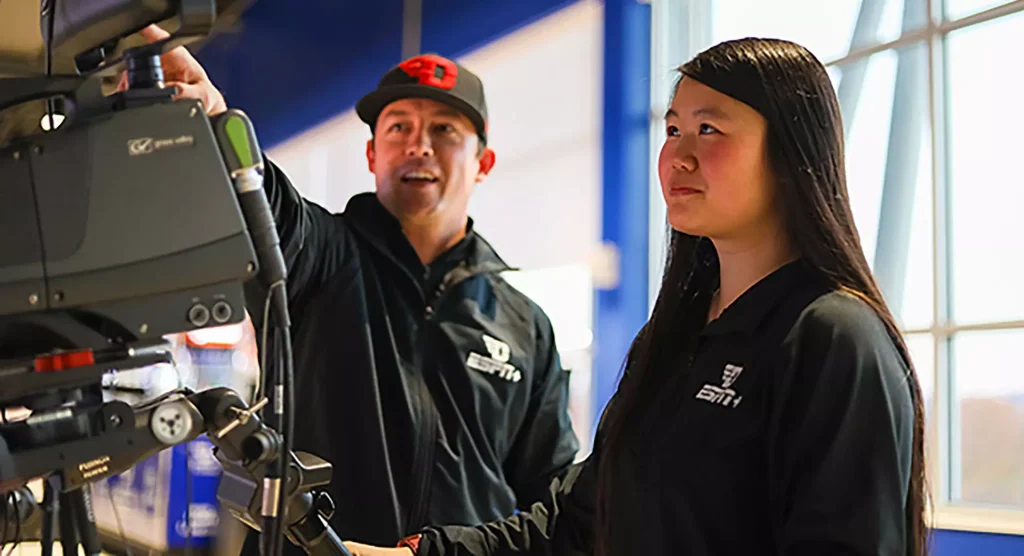
Transitioning from student-athlete life to a career in sports broadcasting can be a fulfilling way to stay connected to the sports world while leveraging your experience and passion. Broadcasting offers a platform to share insights, tell compelling stories, and engage audiences, all skills many former athletes are uniquely positioned to master. However, this journey requires intentional preparation, as success in the industry depends on more than just athletic knowledge. It demands communication skills, technical expertise, and a deep understanding of the media landscape. Here’s how you can prepare for a career in sports broadcasting as a former student-athlete.
Leverage Your Athletic Experience
Your time as a student-athlete provides an invaluable foundation for a broadcasting career. Having firsthand experience in sports gives you a distinct perspective that audiences appreciate. You’ve been in the locker rooms, faced the pressure of competition, and developed a unique understanding of game strategies and dynamics. This depth of knowledge makes you a credible voice in sports broadcasting. However, simply knowing the game is not enough. Successful broadcasters communicate these insights in a way that engages and educates viewers.
To make the most of your athletic background, focus on building a personal brand that highlights your sports expertise. Whether you played at a collegiate or professional level, your experience is valuable and should be presented as part of your unique identity in the sports world. Use examples from your playing days to draw parallels with current sports events, and share stories that resonate with audiences. Personal anecdotes help humanize the athlete experience, allowing you to connect with fans on a deeper level.
Develop Strong Communication Skills
Broadcasting requires a high level of verbal communication. Being able to articulate your thoughts clearly, concisely, and confidently on camera or behind a microphone is crucial. As a former athlete, you may have participated in interviews and media engagements during your playing career, but in broadcasting, you are the one leading the conversation. This means mastering how to convey complex ideas and stories in an engaging, accessible manner.
To hone these skills, practice public speaking and presentation. You can start by analyzing games and providing commentary on platforms like YouTube or a personal blog, where you can refine your communication style in real-time. Consider joining local public speaking organizations like Toastmasters to gain structured feedback and build confidence. Additionally, it’s important to cultivate the ability to think on your feet, as live broadcasting often requires quick, unscripted reactions to unfolding events.
Equally important is non-verbal communication. On television, body language, facial expressions, and energy levels play a significant role in keeping viewers engaged. Broadcasts are not just about what you say but how you present yourself. Engaging with audiences through a warm tone, active listening, and clear enunciation will help create a memorable on-air presence.
Master the Technical Side of Broadcasting
Sports broadcasting involves more than just talking about sports—it also requires an understanding of the technical aspects of media production. This includes camera work, audio equipment, editing software, and live streaming technologies. To stand out as a sports broadcaster, you need to be comfortable working with these tools and platforms.
Fortunately, many student-athletes can access resources through their university’s media or journalism departments. If you’re still in school, look into opportunities to gain experience behind the camera or in front of a microphone. Join the campus radio or television station and volunteer for production roles during sports events. Many schools have opportunities for students to provide play-by-play commentary for live-streamed games, allowing you to build experience in a professional broadcasting environment.
Outside of school, you can explore internships or entry-level positions with local media outlets or sports teams. These roles allow you to see how a broadcast is put together from start to finish and provide hands-on experience working with broadcast equipment. Gaining proficiency with editing software like Adobe Premiere or Final Cut Pro can also give you an edge in an increasingly digital industry, where many broadcasters are expected to edit their own content for social media and online platforms.
Build a Network Within the Industry
Networking is a vital component of establishing a career in sports broadcasting. The sports media industry thrives on connections, and the relationships you build can lead to job opportunities, mentorships, and collaborations. As a former student-athlete, you already have a built-in network of coaches, teammates, and administrators. Many of these individuals are connected to professionals in the sports media space, and you can leverage these relationships to learn more about the industry and get introductions to key people.
Attending sports broadcasting events, conferences, or media summits is another effective way to meet professionals in the field. Many industry veterans are eager to mentor up-and-coming talent, particularly former athletes who demonstrate a passion for media. Don’t hesitate to reach out to professionals whose work you admire, whether it’s through social media or professional networking platforms like LinkedIn. Asking for informational interviews or advice on breaking into the industry can open doors and help you establish a strong reputation.
Embrace the Digital Evolution of Sports Media
In today’s media landscape, sports broadcasting is not limited to traditional television and radio. The rise of digital platforms such as YouTube, podcasts, and social media has created new opportunities for aspiring broadcasters. Former student-athletes can take advantage of these platforms to create their own content and build a following. Establishing a presence on social media platforms like Twitter, Instagram, and TikTok allows you to showcase your expertise, offer commentary on current events, and engage directly with fans.
Starting a podcast or YouTube channel is another way to hone your broadcasting skills while building a portfolio of work that can be shared with potential employers. These platforms offer creative freedom to discuss topics you’re passionate about and help you develop a unique voice in the industry. The content you produce on these platforms can also serve as a digital resume, demonstrating your broadcasting abilities to potential employers.
Ultimately, transitioning into sports broadcasting as a former student-athlete requires a blend of preparation, communication mastery, technical proficiency, and networking. With the right approach, you can successfully leverage your athletic background and develop a fulfilling career in the world of sports media.