

How to Navigate Career Fairs as a Student-Athlete: Maximizing Your Athletic Experience

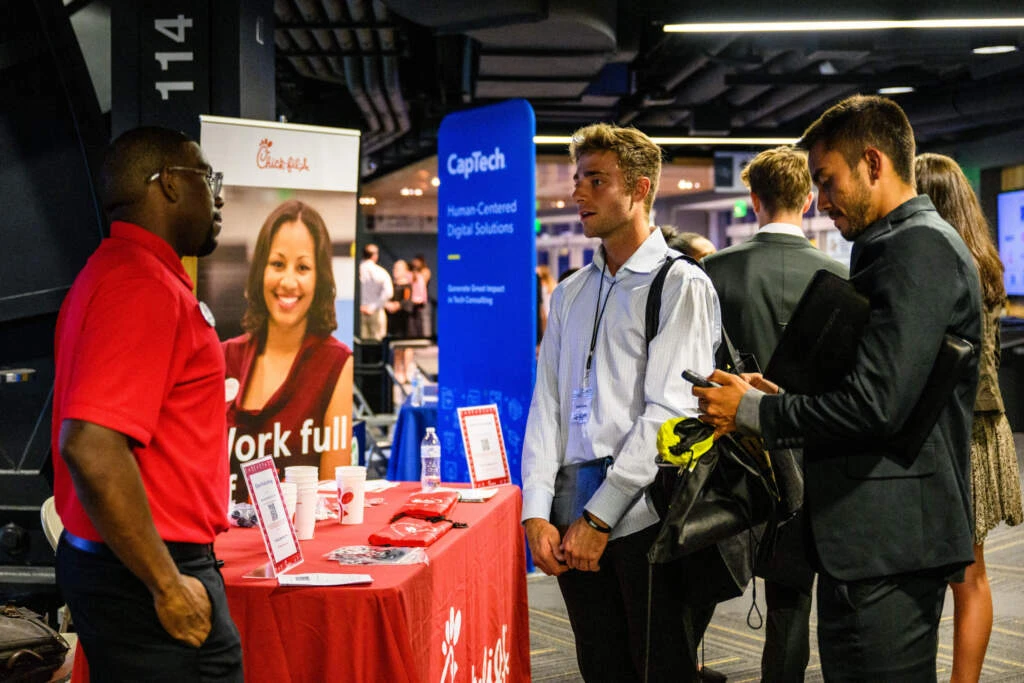
Career fairs can be a pivotal moment in a student-athlete’s journey as they transition from athletics into the professional world. As a student-athlete, you have a unique set of experiences that differentiate you from your peers, and career fairs are an excellent opportunity to showcase how your athletic background translates into valuable professional skills. While navigating these fairs can be daunting, maximizing your athletic experience will help you stand out and make a strong impression on recruiters and potential employers.
One of the first steps to navigating a career fair effectively is preparation, and student-athletes are no strangers to preparation. Just as you prepare for games, matches, or competitions, preparing for a career fair involves understanding the companies you will interact with and researching potential employers. Start by reviewing the list of companies attending the career fair. Identify which organizations align with your career goals, interests, and values, and conduct research on each one. Employers appreciate candidates who take the time to learn about their business, as it shows initiative and genuine interest.
As a student-athlete, you already have a competitive advantage in how you manage your time. Balancing academics, athletics, and other responsibilities demands superior time management and discipline. When speaking to recruiters, make sure to highlight your time management skills, as this is a highly sought-after trait in the professional world. Employers understand the rigorous demands placed on student-athletes, and your ability to maintain a strong academic performance while excelling in sports demonstrates your ability to manage multiple priorities effectively. These are skills that translate seamlessly into the workplace, particularly in high-pressure environments where multitasking and meeting deadlines are crucial.
Another critical aspect of navigating career fairs is articulating the transferable skills you’ve gained through sports. Athletics teaches resilience, teamwork, leadership, and communication—qualities that are valuable in any professional setting. For example, if you’ve been a team captain, you’ve already had experience leading a group, motivating others, and problem-solving under pressure. These are essential leadership qualities that many employers seek. When speaking to recruiters, don’t just mention that you played sports; explain how your role as a student-athlete has prepared you for the challenges of the workplace.
Effective communication is another area where your experience as a student-athlete can shine. Whether it’s communicating with teammates, coaches, or the media, you’ve learned how to convey your thoughts clearly and persuasively. At a career fair, these communication skills are key. Make sure you’re ready with a concise and polished elevator pitch that highlights your academic achievements, athletic experience, and career goals. Your pitch should reflect not only your passion for the career path you’re pursuing but also how your background as an athlete has prepared you to contribute meaningfully to a professional team.
Resilience is another quality that employers value, and student-athletes are often well-versed in handling adversity. In your conversations with recruiters, be prepared to discuss how you’ve faced setbacks and bounced back. Whether it was recovering from an injury, dealing with a tough loss, or balancing multiple commitments, your ability to overcome challenges and maintain a positive mindset demonstrates the type of grit and determination that is attractive to potential employers. Resilience in sports mirrors the resilience required in the workplace, where you’ll likely face challenges and obstacles that require perseverance and problem-solving.
Networking at career fairs is also a critical component of success, and this is an area where student-athletes have an advantage. Through your athletic experience, you’ve likely built a network of coaches, teammates, alumni, and supporters who can offer guidance and connections. Use this same mindset at a career fair by treating every interaction as an opportunity to expand your professional network. Ask thoughtful questions and seek advice from recruiters, even if their company isn’t a perfect fit for your career path. Building relationships with professionals in your desired industry can open doors in unexpected ways.
It’s also important to reflect on the unique perspective you bring to the table as a student-athlete. The discipline and work ethic required to excel in sports is something that sets you apart from other candidates. Employers understand that athletes know how to handle pressure, work toward long-term goals, and continuously improve their performance. When discussing your experiences, emphasize your commitment to growth and your ability to handle setbacks, both of which are crucial traits in business environments that demand adaptability and continuous learning.
Lastly, after the career fair, following up with the contacts you made is essential. This is another area where your communication skills will come into play. Send personalized thank-you emails to recruiters, reiterating your interest in their company and referencing key points from your conversation. Following up demonstrates professionalism, attention to detail, and a genuine interest in the position or company.
In summary, navigating a career fair as a student-athlete requires preparation, strong communication skills, and the ability to highlight your unique strengths. Your athletic background offers a wealth of transferable skills—from leadership and teamwork to time management and resilience—that make you a highly attractive candidate. By showcasing these qualities effectively and building meaningful connections with recruiters, you can maximize your athletic experience and position yourself for career success. Whether you’re entering the world of business, education, healthcare, or any other industry, your time as a student-athlete has equipped you with the tools to thrive in any professional environment.