

How Teammates Become a Lifelong Support System

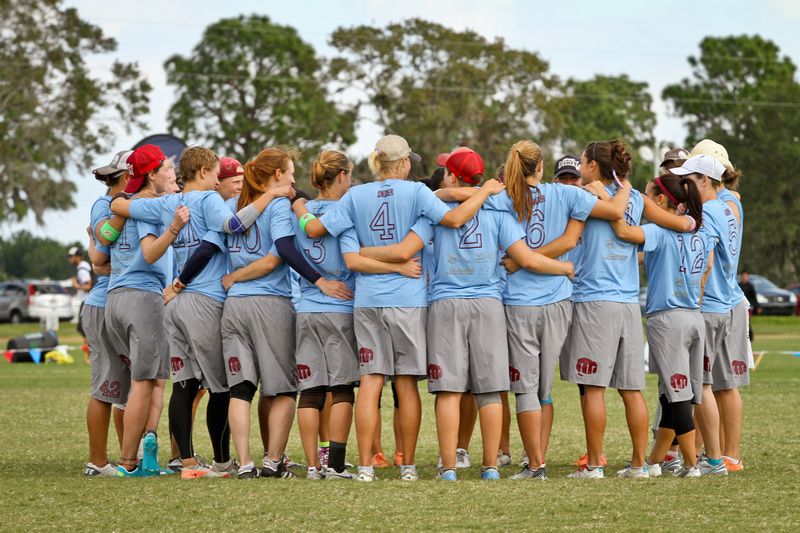
In sports, teammates are often seen as just that—individuals who share the field, the court, or the locker room in pursuit of a common goal. However, for those who have experienced the camaraderie and challenges of competitive athletics, it becomes clear that teammates are far more than players on the same team. They are a support system, a source of strength, and often, lifelong friends.
This unique bond extends far beyond the game and creates relationships that transcend wins and losses. For student-athletes especially, teammates can play an irreplaceable role in personal growth, emotional resilience, and long-term success.
A Foundation of Shared Experiences
Teammates bond through shared experiences, both triumphant and difficult. The countless hours spent training, strategizing, and competing forge a deep connection rooted in understanding and trust. Each practice, game, and road trip adds a layer of familiarity and mutual respect.
Whether it’s overcoming the sting of a tough loss or celebrating an unexpected victory, these moments create a sense of unity. The shared pressure of balancing academics, athletics, and personal lives also adds to this bond. Few people outside of their circle can truly understand the unique demands placed on student-athletes, but teammates live it alongside one another. This shared experience often lays the foundation for a support system that lasts long after the final whistle.
Support Through Life’s Challenges
The role of teammates extends beyond the physical demands of sports. They often become a critical emotional support system, offering encouragement during tough times. For student-athletes, this can mean helping each other navigate academic stress, injury recovery, or the anxiety of an uncertain future after sports.
In the midst of these challenges, teammates often step in to lift one another up. They become sounding boards for fears and frustrations, providing a safe space to process emotions. This support often mirrors the role of family members, with the added benefit of a shared perspective on the unique struggles athletes face. Over time, these relationships deepen into friendships that can be relied upon during life’s most difficult moments.
Building Resilience Together
Resilience is a cornerstone of athletic success, and it is often cultivated through the collective effort of a team. Teammates push one another to be better, both in sports and in life. They hold each other accountable, celebrate progress, and challenge one another to rise to new heights.
These dynamics don’t just build better athletes—they build better people. The mental toughness developed on the field or court, nurtured by teammates, becomes a valuable skill in navigating the complexities of adulthood. Whether it’s facing a difficult job interview, handling rejection, or managing personal setbacks, the lessons learned alongside teammates become lifelong tools for perseverance.
A Network That Lasts a Lifetime
When the jerseys are hung up and the cheering crowds fade, the bond between teammates often remains. For many student-athletes, former teammates become key figures in their personal and professional networks. The shared memories and mutual respect built during their athletic careers provide a foundation for ongoing support.
These relationships frequently extend into career development, with teammates offering mentorship, job referrals, or even business partnerships. The trust built on the playing field translates seamlessly into the workplace, where former teammates continue to root for one another’s success.
Moreover, the emotional connection endures. Whether it’s attending a teammate’s wedding, celebrating milestones, or offering a listening ear during tough times, the relationships forged in sports evolve into enduring friendships.
Lessons in Leadership and Compassion
One of the most significant ways teammates become a support system is by teaching valuable lessons in leadership and compassion. On a team, individuals learn to rely on one another, celebrate differences, and work together toward a common goal. These experiences instill empathy, communication skills, and the ability to lead with integrity.
Student-athletes often find that their experiences with teammates shape their ability to navigate relationships in other areas of life. Whether it’s in the workplace, with family, or in their communities, the lessons learned from being part of a team continue to influence their ability to connect with and support others.
The Legacy of Teamwork
The true power of a team lies not just in its ability to win games, but in its capacity to build relationships that stand the test of time. While the games may eventually end, the bond between teammates endures, offering a sense of belonging and support throughout life’s journey.
For student-athletes, teammates often become family—people who understand their struggles, celebrate their successes, and provide a steady source of encouragement. The legacy of teamwork is not just in the championships won or records broken, but in the lives touched and relationships formed.
As athletes transition into the next chapters of their lives, they carry with them the knowledge that they are never alone. Their teammates remain a source of strength, a reminder of their resilience, and a testament to the power of collective effort. Long after their athletic careers are over, the bonds they formed with their teammates continue to enrich their lives, proving that in sports, the relationships built are just as important as the games played.