

How College Sports Prepare Athletes for Life in Politics

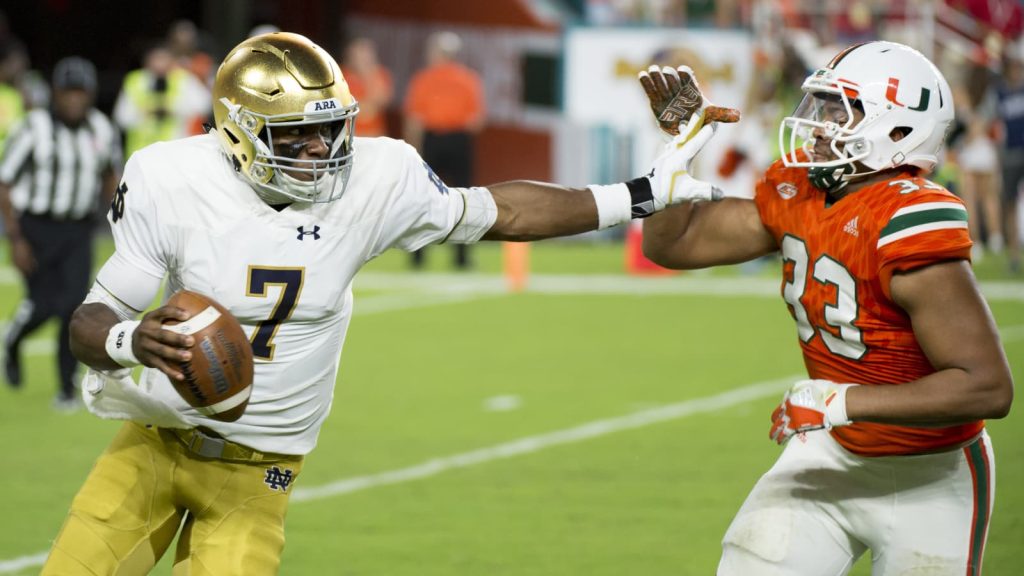
In American culture, the link between sports and leadership has been long recognized. The discipline, focus, and strategy required in athletics naturally translate into leadership roles. One area where this is increasingly apparent is politics. Many prominent politicians, from U.S. presidents to local officials, have backgrounds in sports. While the skills needed to succeed on the playing field might seem worlds apart from those required for political office, the connection between the two is more profound than it initially appears. College sports, in particular, provide a foundation for athletes to transition seamlessly into the world of politics.
Discipline and Commitment
One of the most significant lessons that college athletes carry with them into their professional lives is discipline. Balancing academics, training, and competitions requires an extraordinary level of commitment. Athletes quickly learn how to structure their time, prioritize responsibilities, and meet high expectations on a consistent basis. Politics demands similar levels of discipline. Crafting legislation, running a campaign, or managing a public office requires long hours, intense focus, and the ability to handle multiple responsibilities at once. Athletes, through years of rigorous practice and training, have already developed these habits.
Discipline is also necessary for understanding long-term goals. Athletes know that success does not come overnight. It is the product of incremental progress, measured through training, performance, and constant self-improvement. This understanding of long-term commitment is valuable in politics, where quick wins are rare, and success is often the culmination of sustained effort over time. Patience and persistence in achieving policy goals or winning elections are traits shared by both athletes and politicians.
Teamwork and Collaboration
Sports are rarely solo endeavors. College athletes learn the importance of working within a team, whether it’s on the basketball court, football field, or swimming relay. Success often hinges on understanding each team member’s strengths and weaknesses, coordinating strategies, and executing plans in sync with others. Athletes develop communication and collaboration skills that are crucial for achieving shared objectives.
Politics operates in much the same way. While the image of the lone politician making decisions from behind a desk is popular, the reality is far more complex. Effective politicians must build coalitions, negotiate with other lawmakers, and rally support from diverse groups of people. Athletes understand the value of working toward a collective goal and know that success often comes from working effectively with others, not just individual effort.
In many ways, both politics and sports rely on a sense of shared purpose. Athletes are accustomed to rallying around a common goal—whether that’s winning a championship or beating a rival team. In politics, leaders often have to unite different constituencies and build consensus around a cause or policy. The ability to navigate differing opinions and create a shared vision is something that many college athletes have already practiced, making them well-prepared for the often polarized and divided world of politics.
Resilience and Mental Toughness
In both sports and politics, failure is inevitable. Losses, setbacks, and disappointments are part of the process, whether on the field or in the political arena. College athletes learn to deal with these challenges early on. The sting of defeat, whether it’s losing a game, getting injured, or failing to make the starting lineup, forces athletes to develop resilience and mental toughness. These experiences teach athletes that setbacks are not permanent, but rather opportunities for growth and improvement.
Resilience is perhaps even more critical in politics, where public scrutiny and criticism are constant. Politicians face challenges such as losing elections, dealing with unfavorable media coverage, and navigating shifting public opinion. Former college athletes, used to handling pressure and adversity, are often better equipped to deal with the intense demands of public life. They understand the value of persistence and can maintain focus even when faced with significant challenges.
Moreover, mental toughness plays a key role in decision-making under pressure. Just as athletes are trained to keep their composure during high-stakes games, politicians must remain calm and collected when making decisions that impact the lives of others. The ability to perform under pressure is a trait honed through years of competing in sports, and it serves athletes well when they enter the political arena.
Leadership and Strategic Thinking
Sports often thrust athletes into leadership roles, whether as team captains, senior players, or simply as individuals who inspire others through their actions. College athletes are frequently relied upon to motivate their teammates, make crucial decisions on the field, and guide their team toward victory. These leadership experiences translate directly into the political world, where the ability to inspire, lead, and make critical decisions is paramount.
Strategic thinking, another key element of both sports and politics, is deeply embedded in college athletics. Athletes learn to assess their competition, anticipate challenges, and make real-time adjustments to their strategies. This type of thinking is vital in politics, where leaders must navigate complex policy issues, anticipate opposition, and make strategic decisions that affect entire populations. The ability to think several steps ahead, much like in sports, is what often separates successful politicians from their peers.
College athletes, through their experiences on the field, develop the qualities of discipline, teamwork, resilience, and leadership that are essential in politics. These foundational skills provide a strong base for individuals looking to make a difference in public service. As more athletes transition into political careers, it becomes clear that the lessons learned in college sports are not just about winning games—they’re about playing the long game in life.