

Fuel for Success: How Nutrition Impacts Professional Performance

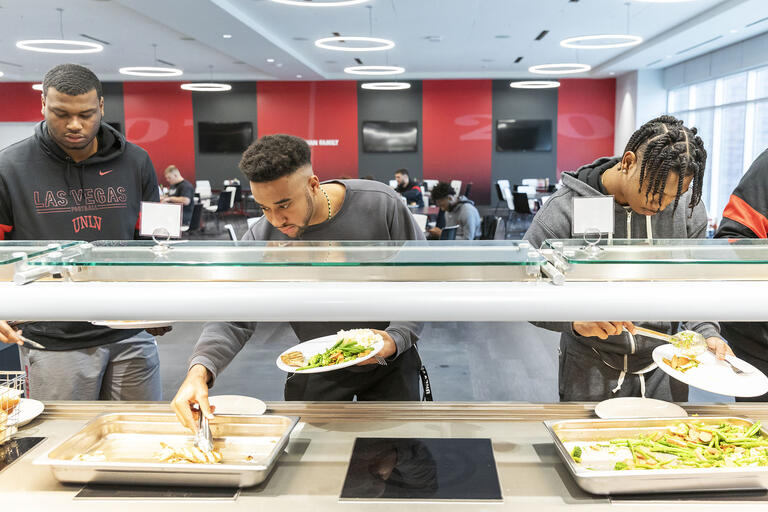
Picture this: you’re running late for an important meeting. You grab a quick donut on your way out the door, and by the time you’re pitching your big idea, your energy crashes harder than a linebacker tackling a quarterback. Not exactly the image of peak professional performance, right? Nutrition might seem like something that’s only relevant on game day, but for student-athletes transitioning into the workplace, it’s the secret weapon that fuels success off the field too.
If you’re a former athlete, you know how food impacts performance—it’s not just calories in and calories out. It’s about how those calories work for you, whether you’re trying to hit a home run, a PR, or simply a deadline. As you trade your jersey for a blazer, keeping your nutrition game strong will be just as crucial to crushing presentations as it was for crushing your opponents.
The “Power Bar” of Productivity
Remember carb-loading before a big game? While you might not need to scarf down an entire plate of pasta to crush your morning Zoom meeting, the principles still apply. Your brain runs on glucose, so complex carbs like oatmeal, sweet potatoes, and whole-grain bread are your new best friends for breakfast. These foods release energy slowly, keeping you sharp and steady throughout the day—unlike those sugary cereals that have you peaking (and crashing) before your morning coffee.
And don’t even get us started on hydration. Water is the unsung MVP of your daily routine. Dehydration isn’t just a workout killer; it can also lead to fatigue, brain fog, and some seriously questionable decision-making. (You wouldn’t want to send an email full of typos to your boss because you skipped your water bottle, would you?)
Protein: Not Just for the Gym Anymore
Protein might conjure up images of shakes and sweaty gym bags, but it’s just as important in the office as it is in the weight room. Think of protein as your body’s repair crew, fixing up muscles and keeping your brain firing on all cylinders. Whether it’s a grilled chicken salad for lunch or a handful of almonds as a snack, adding protein to your meals will keep hunger at bay and power you through those late-afternoon email marathons.
Plus, protein boosts your focus. Your body breaks it down into amino acids, which your brain uses to produce neurotransmitters. That means you’ll be less likely to zone out during long meetings or daydream about your weekend plans while your manager is explaining next quarter’s goals.
Avoiding the “Snack Trap”
Ah, the snack drawer. It’s a workplace classic, but it’s also a double-edged sword. Sure, the convenience of a bag of chips or a candy bar is tempting, but it’s a slippery slope to an energy rollercoaster. Instead, keep healthy snacks like mixed nuts, yogurt, or fresh fruit on hand. These options will keep your energy levels stable and prevent the dreaded 3 p.m. slump that leaves you staring blankly at your computer screen.
And if you’re thinking, “But I need my snacks,” don’t worry. The goal isn’t to eliminate treats altogether—it’s about balance. Think of it like halftime adjustments: swap out the sugary stuff for something that gives you sustained energy, and save the indulgent snacks for celebratory moments (like nailing that presentation or closing a big deal).
Meal Prep: Your Secret Weapon
Remember how you used to prep for games with a detailed strategy? Apply that same logic to your meals. Spending a little time on Sunday planning and prepping your food for the week can save you from the lunchtime “I guess I’ll just grab fast food” trap. Plus, you’ll save money, eat healthier, and look like you’ve got your life together—all wins in the professional world.
And no, meal prep doesn’t have to be boring. Mix it up with colorful veggies, creative recipes, and your favorite sauces. Bonus points if you can fit all your meals into one of those Instagram-worthy containers. (If your coworkers don’t comment on how great your lunch looks, did you even meal prep?)
The Bigger Picture
At the end of the day, nutrition is more than just a way to avoid a mid-day crash—it’s about setting yourself up for long-term success. Eating well impacts everything from your mood and focus to your immune system and overall health. In other words, it’s not just about what you eat today, but how it helps you perform tomorrow, next month, and years down the road.
Former student-athletes already know the importance of discipline and preparation, so use those skills to your advantage. When you approach your meals with the same strategy and intention you brought to your sport, you’ll find that your performance—both professionally and personally—soars.
So, whether you’re tackling a tough project, networking like a pro, or just trying to stay awake during that endless meeting, remember that good nutrition is your ultimate playmaker. Skip the sugar highs and embrace the foods that fuel you for the long haul. Because let’s face it: the office may not have a scoreboard, but you’re still here to win.