

From Film Room to Conference Room: How Video Analysis Prepares Athletes for Career Success

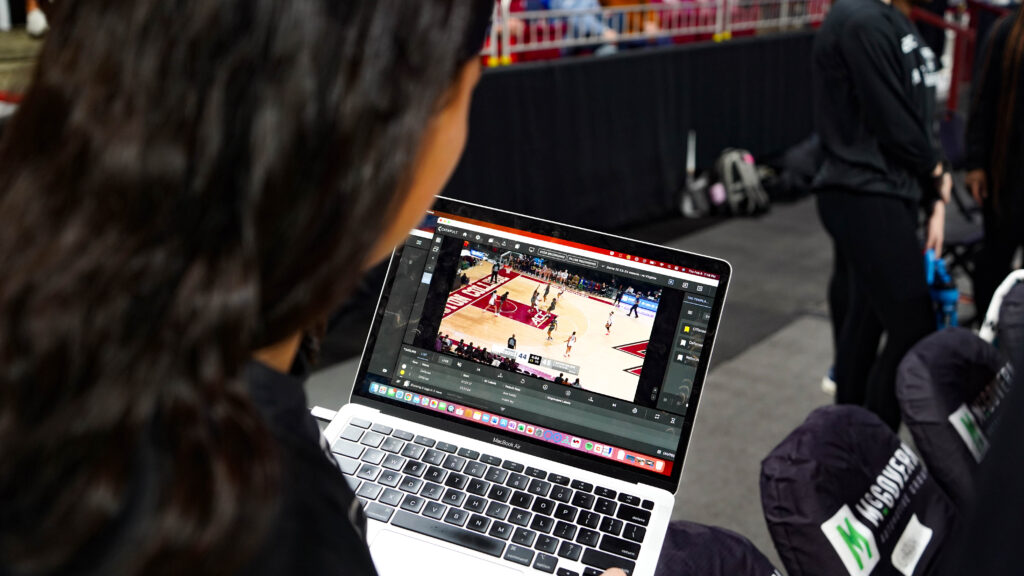
Picture this: It’s early morning, you’re perched on a folding chair in a film room that smells like yesterday’s workout, sipping on weak coffee as the screen flickers to life. Your coach has that “pause and rewind” trigger finger ready, and before you know it, you’re watching yourself miss the same block from six different angles. Fun, right? At the time, breaking down film might have felt like an endless loop of your mistakes and the occasional highlight to keep morale intact.
But what you might not have realized is that those long hours of film study were doing more than prepping you for the next big game—they were shaping you into the kind of professional every company wants to hire. Yes, you heard that right. Film analysis didn’t just teach you how to avoid tripping over your own feet; it honed the skills you’ll need to dominate in the conference room. Whether it’s understanding the big picture, making adjustments on the fly, or taking criticism with grace, the habits you developed in front of that screen are your secret weapon for career success.
Mastering the Art of Self-Critique
First things first—film study is humbling. There’s no hiding from that missed shot or sloppy execution when it’s frozen on the big screen. Every “Oops, that’s on me” moment becomes magnified. You don’t get to shrug off mistakes and pretend they didn’t happen; you face them head-on, take ownership, and move forward.
In the professional world, this ability to self-critique sets you apart. Employers don’t expect perfection, but they value employees who can acknowledge missteps, analyze what went wrong, and adapt quickly. Instead of getting defensive when feedback rolls in, you’ll have the cool composure of someone who’s been critiqued by coaches and teammates in front of a room full of people. A quarterly review? Easy. A brainstorming session where your idea gets poked and prodded? You’ve seen worse.
You already know how to separate your ego from the process because you’ve done it countless times. The mindset of continuous improvement—that drive to get a little better every day—starts in the film room and stays with you for life.
Learning to See What Others Miss
Watching game film isn’t just about looking at yourself. You study opponents, anticipate patterns, and figure out their next move before it happens. You learn to pick up on subtle cues: the way a player shifts their weight before making a cut or the split-second hesitation that opens up an opportunity. Over time, you develop an eye for detail and a sixth sense for anticipating what comes next.
In the workplace, this translates to something invaluable: strategic thinking. Whether you’re analyzing market trends, client behaviors, or project roadblocks, you’ll see things others miss. Your ability to identify patterns and connect the dots faster than your competition makes you a game-changer. While others are focused on the obvious, you’re already anticipating the next move. You’re a step ahead because you’ve trained your mind to look beyond the surface.
The conference room may not have playbooks or slow-motion replays, but it rewards the same kind of insight and preparation. It’s all about recognizing opportunities and adjusting your strategy to capitalize on them.
Turning Feedback into Fuel
If there’s one universal truth about the film room, it’s this: feedback isn’t optional. You’re going to hear about that missed block, that bad pass, or that moment you totally blew your assignment. It might sting, but you quickly learn that feedback isn’t personal—it’s purposeful. Coaches push you because they know you’re capable of more, and instead of sulking, you take their words and get to work.
This mindset is pure gold in the workforce. The ability to accept feedback without flinching—and use it to fuel your growth—is something employers dream about. Most people avoid criticism or take it personally, but not you. You’re an athlete, and constructive feedback is just another rep in the gym. It’s how you get better.
So when your manager points out an error in your presentation or challenges your approach to a project, you’ll nod, take notes, and come back stronger. Resilience? You’ve got it in spades.
Why It All Matters
The next time you’re preparing for a big meeting, presentation, or project, think of it like game day. Those late-night film sessions where you scrutinized every movement, broke down your opponent, and practiced the adjustments—those moments prepared you for this. You’re not just showing up; you’re showing up prepared.
Athletes don’t succeed because they’re naturally talented. They succeed because they’ve learned how to study, adapt, and execute. They know how to handle pressure, take feedback, and keep pushing even when the game feels unwinnable. Those same qualities will make you a standout employee, leader, and teammate in your career.
So as you trade the film room for the conference room, bring that athlete mentality with you. Treat every challenge like a new game to win, every mistake like a learning opportunity, and every piece of feedback like a chance to improve. Because whether you’re breaking down plays or boardroom strategies, the skills are the same—it’s just the setting that’s changed.
And let’s be honest, the conference room has way better snacks.