

Dual-Edged Sword: Prioritizing Athletic Commitments

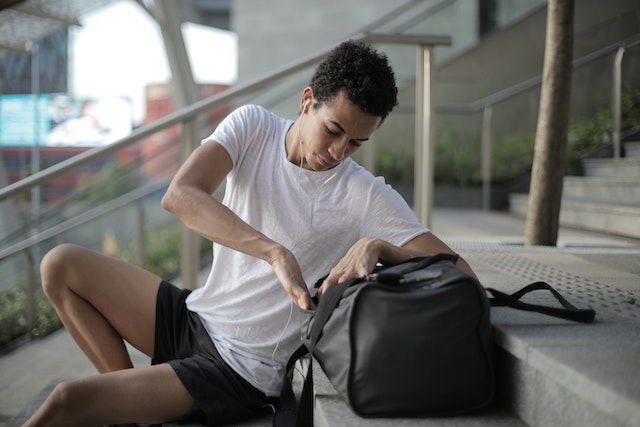
College life is often a delicate balancing act for student-athletes who must juggle rigorous academic schedules with demanding athletic commitments. While the pursuit of athletic excellence offers numerous rewards and life skills, it can also place student-athletes at a disadvantage compared to their peers post-graduation. This article delves into why prioritizing athletic commitments is necessary and rewarding for student-athletes, yet also contributes to them lagging behind other graduates in certain critical areas.
The Necessity and Rewards of Prioritizing Athletic Commitments
1. Development of Life Skills
Participating in college sports requires dedication, discipline, and time management. These experiences foster invaluable life skills that are highly regarded by employers. According to the NCAA, student-athletes often exhibit enhanced leadership, teamwork, and resilience—skills cultivated through the pressures of competition and the necessity to perform under stress. These attributes not only benefit athletic performance but also translate well into professional environments where similar qualities are prized.
2. Scholarships and Financial Support
For many student-athletes, athletic scholarships provide a crucial means of affording higher education. These scholarships can cover tuition, books, and other expenses, significantly reducing the financial burden on students and their families. The NCAA reports that Division I and II schools provide over $3.6 billion in athletic scholarships annually. Without these scholarships, many student-athletes might not have the opportunity to attend college.
3. Physical and Mental Health Benefits
Engaging in sports promotes physical fitness, which is essential for overall health and well-being. Regular physical activity can reduce the risk of chronic diseases, improve mental health, and increase life expectancy. Moreover, sports participation can serve as a stress reliever and a source of enjoyment, helping student-athletes maintain a balanced lifestyle amidst their academic responsibilities.
4. Networking and Career Opportunities
The athletic community provides a strong network of alumni and professionals. Many former athletes find career opportunities through connections made during their collegiate sports careers. Additionally, the visibility and recognition gained from athletic success can open doors in fields such as sports management, coaching, and media.
The Disadvantages Post-Graduation
1. Limited Time for Internships and Work Experience
One of the most significant disadvantages faced by student-athletes is the lack of time to engage in internships and part-time jobs. These experiences are critical for career development, providing practical skills and professional connections that enhance employability. A study by the National Association of Colleges and Employers (NACE) found that students who complete internships are more likely to receive job offers upon graduation. However, student-athletes’ schedules often prevent them from gaining such experience, leaving them at a competitive disadvantage in the job market.
2. Missed Networking Opportunities
Networking is a vital component of career success. College students typically build professional networks through internships, campus events, and participation in professional organizations. Student-athletes, however, may have limited opportunities to engage in these activities due to their demanding athletic schedules. This can result in fewer professional connections and missed opportunities for mentorship and career guidance.
3. Skills Gap
While student-athletes develop excellent soft skills, they may lack specific technical or industry-specific skills that are increasingly important in today’s job market. For example, proficiency in software applications, data analysis, and other specialized skills are often developed through academic projects and internships, which student-athletes may not have time for. According to the World Economic Forum, the skills required for jobs are rapidly evolving, and those without these technical competencies may find themselves at a disadvantage.
4. Academic Performance
Balancing sports and academics is challenging, and some student-athletes may struggle to maintain high academic standards. The rigorous travel and training schedules can lead to missed classes and reduced study time, impacting academic performance. Although many schools offer academic support for athletes, the dual demands can still result in lower GPAs compared to non-athlete peers, affecting graduate school admissions and job prospects.
5. Unrealistic Career Expectations
Many student-athletes aspire to professional sports careers, which can overshadow their academic and career preparation. However, the NCAA reports that less than 2% of college athletes go on to play professionally. This focus on athletic success can result in insufficient planning for post-college careers, leaving many unprepared for the workforce when their athletic careers end.
Bridging the Gap
To mitigate these disadvantages, several strategies can be employed:
1. Enhanced Career Services
Universities can provide tailored career services for student-athletes, including flexible internship opportunities, career workshops, and networking events that accommodate their schedules. This support can help bridge the gap between their athletic commitments and career preparation.
2. Emphasis on Lifelong Learning
Encouraging student-athletes to engage in continuous learning through online courses and certifications can help them acquire industry-specific skills. Platforms like Coursera and LinkedIn Learning offer flexible options that can fit into their busy schedules.
3. Mentorship Programs
Establishing mentorship programs that connect student-athletes with alumni and professionals in their fields of interest can provide valuable career guidance and networking opportunities. These programs can help student-athletes navigate their career paths more effectively.
Prioritizing athletic commitments during college is both necessary and rewarding for student-athletes, providing them with invaluable life skills, financial support, and health benefits. However, it also places them at a disadvantage compared to their peers post-graduation, primarily due to the lack of time for internships, networking, and skill development. By addressing these challenges through enhanced career services, continuous learning opportunities, and mentorship programs, student-athletes can better prepare for their future careers while continuing to excel in their sports.