

Coaching Yourself: Building Self-Motivation and Discipline for Career Growth

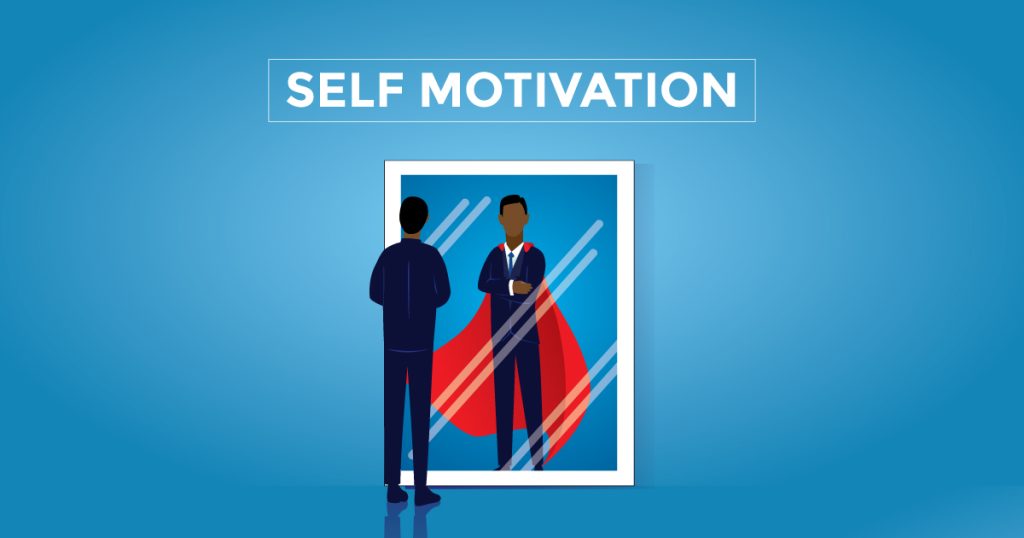
Imagine you’re the head coach, the star player, and the cheering crowd all rolled into one. That’s what it feels like to coach yourself toward career growth—a blend of discipline, self-motivation, and a dash of humor to keep things fun. For collegiate athletes transitioning to the workforce, the stakes might feel high, but let’s face it: you’ve handled buzzer-beaters, grueling practices, and last-minute academic deadlines. Compared to that, developing a routine for career success is like nailing a free throw. Okay, maybe a little harder. But with the right mindset, you can turn self-motivation into your new MVP skill.
Let’s start with the elephant in the room: discipline. It’s not glamorous. It’s not Instagram-worthy. But it’s what separates the dreamers from the doers. Think of discipline as your invisible coach. It doesn’t care about your mood or your excuses. It’s there to blow the whistle every time you hit snooze or scroll through TikTok instead of prepping for that big presentation. While you may not have a coach barking at you to run laps anymore, you can channel that same energy by setting clear goals and holding yourself accountable.
Here’s the trick: make discipline feel like a choice, not a punishment. Want to crush that next job interview? Break down the prep into bite-sized drills, just like you’d train for a big game. Study the company. Rehearse your answers. Practice your handshake—yes, even in the mirror. It’s the career equivalent of perfecting your jump shot or your backhand serve. And don’t forget to reward yourself for sticking to the plan. Crushed your mock interview? Treat yourself to that overpriced latte or a well-deserved nap. Positive reinforcement works wonders.
Now, let’s talk about self-motivation. This one’s tricky because, let’s be honest, who doesn’t want to stay in bed when it’s cold outside? But self-motivation isn’t about feeling like doing something; it’s about doing it anyway. It’s showing up for yourself, even on days when Netflix and snacks sound way more appealing than updating your LinkedIn profile.
Here’s a hack: tie your goals to something that excites you. Want to land your dream job in sports marketing? Picture yourself courtside at major events, managing campaigns that make waves. Let that vision energize you when your motivation tanks. And don’t underestimate the power of momentum. Sometimes, just starting—even if it’s the tiniest step—is enough to get the ball rolling. Send one networking email. Research one industry trend. Before you know it, you’ll be dribbling your way to career glory.
Another key to coaching yourself is embracing failure. Think of it as game tape. Nobody likes to lose, but every misstep is a chance to review, learn, and adjust. Bombed a presentation? Great! What can you tweak next time? Sent a networking email that got ghosted? Fantastic—craft a better pitch and try again. Failure isn’t the opposite of success; it’s part of the process. And if you can laugh at your mistakes along the way, you’ll keep your mindset as resilient as your body.
Oh, and let’s not forget about teammates. Even though you’re coaching yourself, you’re not in this alone. Surround yourself with people who inspire you, challenge you, and cheer you on. Whether it’s a mentor, a former teammate, or that one friend who always knows how to hype you up, having a support system is like having a trusted assistant coach. They’ll help you stay on track and celebrate your wins—big or small.
Lastly, remember that this is a marathon, not a sprint. Career growth doesn’t happen overnight. It’s a series of small, consistent efforts that add up over time. Some days you’ll feel like LeBron in Game 7; other days you’ll feel like you can barely dribble. That’s okay. The key is to keep showing up. Keep putting in the work. Keep coaching yourself.
So, the next time you’re tempted to skip that professional development webinar or procrastinate on updating your resume, channel your inner coach. Remind yourself why you started. Push through the discomfort. And when you finally land that dream job, you’ll look back and realize you were the MVP of your career all along.