

Bridging the Divide: College Athletes Can Overcome Political Differences

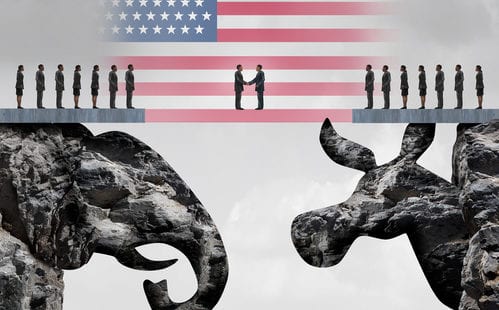
In today’s increasingly polarized world, political differences can create divisions that are challenging to navigate. This reality is present not only in society at large but also within the close-knit communities of college campuses and sports teams. College athletes, who often serve as leaders both on and off the field, have a unique opportunity to bridge these divides and foster an environment of understanding and unity. By engaging in thoughtful dialogue, leading by example, and promoting respect for diverse perspectives, college athletes can help create a more cohesive and inclusive atmosphere, both within their teams and across their campuses.
The Importance of Unity in a Divided World
Political polarization has become a defining feature of contemporary society, influencing everything from personal relationships to institutional decision-making. College campuses, often microcosms of the broader world, are not immune to these divisions. Within teams, political differences can sometimes lead to tension, misunderstandings, and even conflict. However, the bonds formed through shared goals and teamwork can also provide a foundation for overcoming these differences.
For college athletes, unity is not just a matter of team success; it’s about creating a culture where all team members feel valued and respected, regardless of their political views. This sense of unity can extend beyond the team, influencing the broader campus community and setting an example for how to navigate political differences in a constructive way.
How College Athletes Can Foster Unity Amid Political Differences
Overcoming political differences requires intentional effort and a commitment to fostering dialogue, respect, and understanding. Here are several ways college athletes can play a role in bridging political divides:
1. Promoting Open and Respectful Dialogue:
One of the most effective ways to bridge political differences is through open and respectful dialogue. College athletes can create spaces—whether formal or informal—where teammates and peers can share their perspectives on political issues without fear of judgment or hostility. These conversations can help team members better understand each other’s viewpoints and reduce the potential for conflict.
2. Leading by Example:
College athletes often serve as role models for their peers, both on and off the field. By demonstrating respect for differing political opinions and avoiding divisive rhetoric, athletes can set a positive example for others to follow. This leadership can help foster a team culture where diversity of thought is valued and where individuals feel free to express their views without fear of alienation.
3. Focusing on Common Goals:
Teams thrive when they focus on common goals, whether it’s winning a championship or achieving academic success. By emphasizing the shared objectives that unite them, college athletes can help their teams transcend political differences. This focus on common goals can also be extended to the broader campus community, where students from diverse backgrounds and political affiliations can come together to work toward shared objectives.
4. Encouraging Empathy and Understanding:
Overcoming political differences requires empathy—the ability to understand and appreciate the perspectives of others. College athletes can encourage their teammates to practice empathy by actively listening to one another and considering how different experiences and backgrounds shape political beliefs. This approach can lead to a deeper understanding of each other’s viewpoints and reduce the likelihood of misunderstandings.
5. Engaging in Community Service:
Participating in community service is another way college athletes can bridge political divides. When team members work together to serve their community, they often find that their shared commitment to helping others outweighs their political differences. Community service projects can provide a neutral ground where athletes can collaborate on meaningful initiatives, fostering unity and a sense of common purpose.
6. Facilitating Educational Workshops:
College athletes can also take the initiative to organize or participate in workshops that focus on communication skills, conflict resolution, and understanding political differences. These workshops can provide valuable tools for navigating difficult conversations and can help team members develop the skills needed to engage in constructive dialogue about political issues.
7. Building Relationships Beyond Politics:
While political beliefs are an important part of many people’s identities, they do not define the entirety of who someone is. College athletes can help foster unity by building relationships with their teammates and peers that go beyond politics. By getting to know each other on a personal level—sharing experiences, interests, and passions—team members can strengthen their bonds and reduce the emphasis on political differences.
The Challenges of Bridging Political Divides
While the potential for college athletes to bridge political divides is significant, it is not without challenges. Political beliefs can be deeply held and emotionally charged, making it difficult to engage in open dialogue without conflict. Additionally, the pressure to conform to a particular political viewpoint can create tension within teams.
However, the rewards of overcoming these challenges are substantial. By fostering a culture of respect, understanding, and unity, college athletes can contribute to a more cohesive team environment and a more inclusive campus community. These efforts can also prepare athletes for life beyond college, equipping them with the skills needed to navigate political differences in their future careers and relationships.
In a world where political differences often lead to division, college athletes have the power to set an example for how to overcome these challenges and foster unity. By promoting open dialogue, leading by example, and focusing on common goals, athletes can help bridge political divides and create a more inclusive and supportive environment for everyone. As leaders on their teams and within their communities, college athletes have a unique opportunity to demonstrate that, despite our differences, we can all work together toward a common purpose. In doing so, they can help pave the way for a more unified and understanding society.