

Beyond the Bench: How Athletes Can Thrive in Remote Work Environments

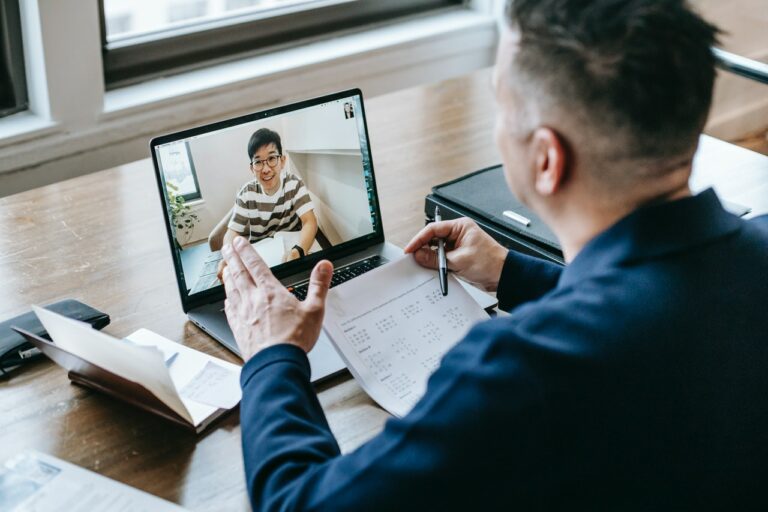
Trading the locker room for a home office can feel like a major shift for any athlete. Gone are the team huddles, the coach’s pep talks, and the buzz of a live crowd. Instead, you’ve got Zoom calls, Slack notifications, and the hum of your laptop. But don’t hang up your jersey just yet—those skills you honed on the field or court might just make you a star in the remote work arena.
Remote work isn’t about sitting still. Just like in sports, it requires adaptability, discipline, and a solid game plan. Let’s break down how athletes can not only survive but thrive in this new playing field.
Turning Team Dynamics into Digital Collaboration
You’ve spent years perfecting the art of teamwork, whether it was executing the perfect pick-and-roll or rallying the squad after a tough loss. Those same skills apply in the digital workplace. Collaboration tools like Microsoft Teams and Google Meet might not have the energy of a championship game, but they’re your new playbook. Instead of shouting “pick right!” you’ll be dropping project updates in a group chat or brainstorming in breakout rooms.
The key? Stay engaged. Just like you wouldn’t check out during a timeout, don’t be the teammate who mutes their mic and zones out. Bring that same energy to virtual meetings that you brought to team practices—minus the sweaty gym shorts, of course.
Building a Game Plan for Productivity
As an athlete, you know that success comes from structure—those early morning workouts, detailed game plans, and meticulously timed meals. Remote work calls for the same discipline. Create a schedule that keeps you on track and minimizes distractions (yes, that includes TikTok scrolling).
Set clear goals for each day, just like you would for a practice session. Need to finish a report? Think of it as your playbook—study it, execute it, and maybe reward yourself with a victory dance (or at least a snack) when it’s done. And remember, breaks are just as important as work. Even star players need time to recover—just swap the ice bath for a quick walk or stretch.
Communication: The MVP of Remote Work
On the field, clear communication can mean the difference between a game-winning play and a fumbled pass. In remote work, it’s no different. You might not be calling out plays, but sending that timely email or clarifying expectations on a project can have just as much impact.
Don’t assume people know what you’re thinking. Whether it’s a status update or asking for feedback, be proactive. And if you’re not sure about something, ask! Coaches love athletes who seek to improve, and managers love employees who take initiative. Plus, asking questions on Slack is a lot less intimidating than asking your coach why you’re riding the bench.
Staying Fit—Mentally and Physically
Athletes know the importance of staying in shape, but remote work introduces a new challenge: keeping both your body and mind in the game. Without regular practices or games, it’s easy to slip into a sedentary routine. Don’t let that happen.
Incorporate movement into your day. A quick workout between meetings or even a set of desk stretches can do wonders. And don’t forget about mental fitness. Use the resilience you’ve built as an athlete to tackle tough projects or navigate stressful deadlines. Meditation, journaling, or even a quick pep talk in the mirror can help keep your head in the game.
Adapting to New Plays and Playbooks
One of the best things about being an athlete is your ability to adapt. Whether it’s a last-minute play change or adjusting to a rival’s strategy, you’ve learned to think on your feet. Remote work thrives on this same flexibility.
Embrace new tools, learn new skills, and stay open to different ways of doing things. Maybe you’re not tech-savvy—yet. But with practice and determination, you’ll be managing cloud files and mastering project management software in no time. Remember, every pro was once a rookie.
Finding Your New “Team Spirit”
One challenge of remote work is the lack of in-person camaraderie. But just because you’re not high-fiving teammates doesn’t mean you’re alone. Build relationships with your colleagues, even if it’s through virtual coffee chats or shared memes. A little effort goes a long way in creating a sense of connection.
And don’t forget to celebrate wins—big or small. Closed a deal? Nailed a presentation? Treat it like a game-winning shot and let your team know. Recognition fuels motivation, even in a remote setting.
The Takeaway
As an athlete, you’ve already mastered the art of perseverance, teamwork, and strategy. Remote work might be a different kind of playing field, but the skills that made you successful in sports are just as valuable here. With the right mindset and a little creativity, you can go beyond the bench and thrive in the virtual workplace. So, suit up—your remote work career is ready for tip-off.