

AI in Hiring: What Athletes Should Know About Navigating Automated Screening

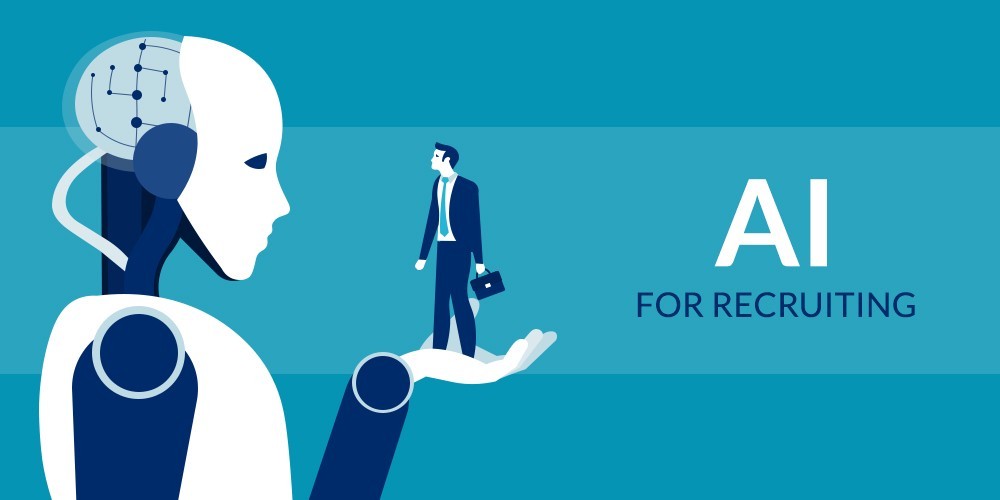
Landing a job in today’s market isn’t just about a firm handshake and a killer resume anymore. Nope, there’s a new player in the game, and it’s not your typical rival—it’s artificial intelligence. AI has infiltrated the hiring process, and like an overzealous referee, it’s scanning, analyzing, and making calls before you even get a chance to step onto the field (or, in this case, the interview room).
For student-athletes, the hiring process already feels like an endurance test. Balancing practice, games, and academics has honed their time-management skills, but now they have to compete with algorithms? It’s almost unfair—almost. The good news? Athletes already have the discipline and adaptability to conquer this digital playing field.
So what exactly is AI doing in hiring? Think of it as the ultimate scout, sifting through stacks of resumes at lightning speed, looking for the best fit based on specific keywords, experience, and qualifications. Companies love it because it saves time, but for job seekers, it means getting past an invisible gatekeeper before they even meet a human. And let’s be honest, AI doesn’t care if you were MVP last season—unless you can articulate how that translates into leadership skills in a job setting.
The first step to beating the AI system is understanding how it works. Most applicant tracking systems (ATS) are programmed to scan for keywords that align with job descriptions. If your resume doesn’t include the right phrases, it’s like being benched before the game even starts. Athletes know the importance of preparation, so tailoring a resume to match job postings is like reviewing an opponent’s playbook—strategic and necessary.
And here’s where things get tricky—AI isn’t perfect. It can overlook candidates with unconventional experience (hello, student-athletes) or penalize those who use too much creativity in their resume format. Fancy fonts and intricate designs might look great, but to an AI system, they’re just confusing noise. Keeping things clean and simple is key—kind of like sticking to the fundamentals on game day.
But AI doesn’t stop at resumes; it’s also sneaking into the interview process. Video interview platforms are using algorithms to analyze speech patterns, facial expressions, and even body language. Imagine running drills, but instead of your coach, it’s an AI deciding if you’re enthusiastic enough or if your answers hit the right notes. While it may sound a bit futuristic (and slightly creepy), it’s just another hurdle to clear.
The trick is to practice with purpose. Athletes know the importance of repetition—whether it’s perfecting a free throw or a post-game interview. Preparing for AI-driven interviews means being aware of tone, pacing, and clarity. Enthusiasm is great, but being too animated could throw off an AI system. The balance? Be yourself but with a touch of strategic poise—think press conference, not locker room pep talk.
Social media also plays a role in AI screening. Employers are using AI tools to scan candidates’ online presence to get a sense of their personal brand. Athletes should consider their social profiles as part of their resume, ensuring that their posts reflect professionalism, leadership, and, of course, their unique personality. It’s like building your highlight reel—you want to showcase the best version of yourself.
But hey, AI isn’t the enemy. It’s just another element in the hiring process that athletes can tackle head-on. The discipline, goal-setting mindset, and ability to adapt under pressure that comes from sports training provide a competitive edge in navigating this digital landscape.
The key takeaway? Think of AI as another competitor on the field. With the right strategy—keyword optimization, structured resumes, practiced interview skills, and a polished online presence—athletes can outmaneuver the bots and land that dream job. After all, winning isn’t just about skill; it’s about preparation and execution, and athletes have that in spades.