Adapting and Thriving: How to Showcase Transferable Skills in Remote Work Environments

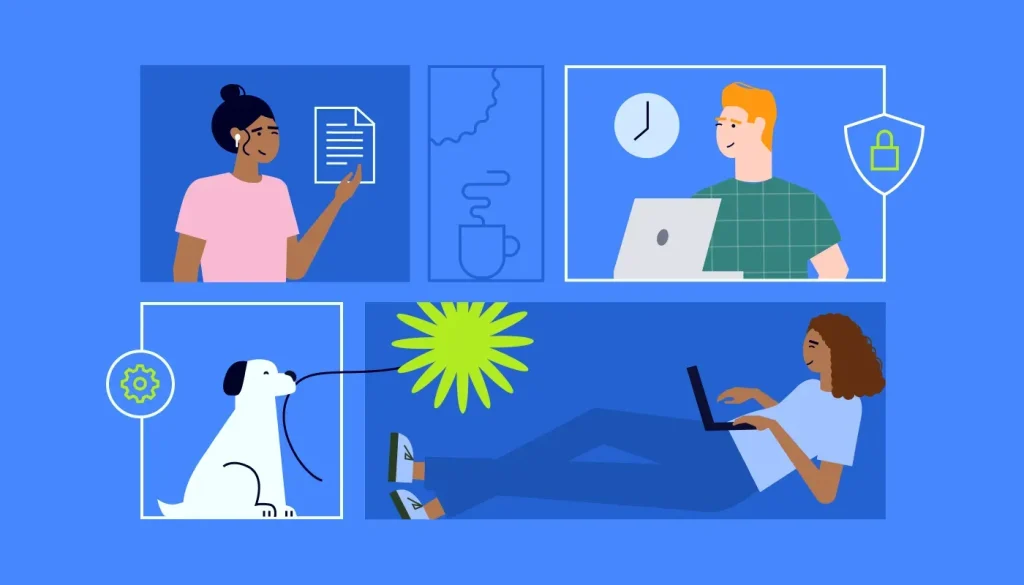
As remote work solidifies its place in the modern workforce, it is essential for professionals to identify and effectively showcase their transferable skills in this evolving environment. Transferable skills are those capabilities and qualities that are not job-specific but valuable across various roles, including teamwork, communication, problem-solving, and adaptability. When working remotely, these skills take on new dimensions and importance, as virtual settings demand innovative methods of collaboration, clear communication, and self-motivation. Understanding how to communicate your transferable skills can be instrumental in ensuring you are seen as a valuable and adaptable team member in a remote work environment.
Communicating Effectively in a Digital Landscape
One of the most essential transferable skills in remote work is effective communication. Unlike traditional office settings where casual, face-to-face interactions facilitate idea-sharing and feedback, remote environments require a more structured and proactive approach. Emphasizing your communication skills in a remote work setting means demonstrating your ability to be concise, clear, and responsive. Highlighting how you manage communication through various digital platforms can illustrate to employers that you understand the nuances of virtual interactions.
For example, if you’ve managed large projects remotely, you might highlight how you used video conferencing, project management tools, or regular check-ins to maintain a consistent and open line of communication with your team. This could showcase not only your adaptability but also your initiative to keep information flowing seamlessly even in virtual settings. Being able to articulate your approach to ensuring clarity and cohesion across digital channels tells potential employers that you are prepared to handle the unique communication demands of remote work.
Demonstrating Time Management and Self-Motivation
Remote work demands heightened time management skills and self-motivation, as team members are often separated from the structure of a physical office. Employers look for candidates who can maintain productivity and meet deadlines without the need for constant supervision. Highlighting your self-motivation and time management skills in a remote environment shows that you can thrive independently while remaining aligned with team objectives.
To make these skills stand out, provide examples of how you structure your day, prioritize tasks, and tackle long-term projects in a remote setting. If you use specific methods to stay organized, such as digital calendars, task management software, or setting personal deadlines, explaining these approaches demonstrates your commitment to staying productive and focused. Discussing your proactive approach to avoiding distractions or addressing time zone differences can help showcase your awareness of the unique demands remote work places on time management.
Embracing Flexibility and Adaptability
Adaptability is a cornerstone skill in remote work environments, where sudden changes and new technology are common. Being adaptable means you are open to learning and capable of adjusting to unforeseen circumstances. Whether it’s a shift in project scope or an unexpected technical glitch, demonstrating how you remain flexible under pressure can be a strong indicator of your readiness for remote work.
To showcase this skill, consider sharing instances where you adapted to change quickly or embraced new tools to stay effective in your role. This could include examples of adapting to new communication platforms or taking initiative in learning software that improved team workflow. Your ability to adapt quickly and keep a positive, solution-oriented attitude during these transitions can speak volumes about your resilience and commitment in a remote work setting.
Leveraging Collaboration and Building Virtual Relationships
Collaboration in remote work relies on the ability to build and maintain virtual relationships, which requires empathy, patience, and an understanding of digital etiquette. Remote work environments lack the physical cues and spontaneous interactions that help build rapport, so you may need to make an extra effort to foster positive connections with colleagues and clients.
Showcase your collaborative skills by sharing examples of how you contribute to team dynamics and build rapport, even without face-to-face interaction. You might describe virtual team-building exercises you initiated, ways you created open channels for feedback, or how you fostered an inclusive atmosphere in online meetings. Employers will see that you value team synergy and that you have the interpersonal skills needed to collaborate effectively in remote settings.
Problem-Solving and Tech Savvy in Virtual Environments
Problem-solving skills are crucial, especially when working remotely, as technical issues and unforeseen challenges often arise. Being able to troubleshoot independently or quickly find solutions without in-person support reflects your resourcefulness and digital proficiency. Highlighting your problem-solving abilities in a remote work environment can demonstrate your ability to stay calm under pressure and efficiently address issues as they arise.
You can illustrate this by describing times when you solved a technical issue independently or found a creative workaround to keep a project moving forward. If you’ve taken steps to improve your tech skills or learned new software that benefits your work, this can reinforce your proactive approach to problem-solving. Employers will appreciate knowing that you can handle challenges remotely without disruption to workflow.
Highlighting Emotional Intelligence and Self-Awareness
In a remote work environment, emotional intelligence (EQ) is key to understanding and managing relationships with minimal face-to-face interaction. Displaying self-awareness and empathy helps you engage constructively with team members and respect the nuances of remote collaboration. Acknowledging the diverse working styles within a remote team, especially when team members are spread across time zones or working flexible hours, reflects high emotional intelligence.
You can showcase your EQ by discussing how you’ve navigated conflicts in a respectful and constructive manner, or by explaining your approach to maintaining positive relationships with colleagues. Self-awareness also comes into play with your own remote work boundaries, so noting how you balance work and personal time to avoid burnout shows a mature approach to managing remote work’s challenges.
Fostering Growth in a Remote Work Environment
Remote work offers unique opportunities for personal and professional growth. Showcasing your transferable skills within this context demonstrates not only your competence but also your forward-thinking approach to adapting to future work environments. By emphasizing communication, adaptability, problem-solving, and emotional intelligence, you position yourself as a dynamic asset ready to meet the challenges of remote work head-on.