

Athletes as Brand Ambassadors: Leveraging Influence Without Losing Authenticity

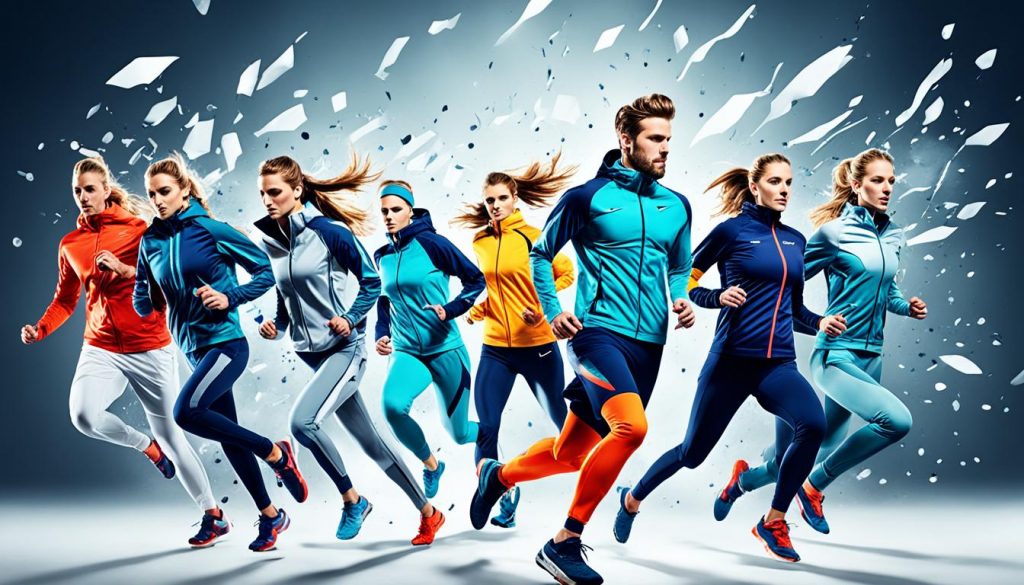
In today’s digital landscape, athletes are more than just competitors—they are brands. With their ability to capture attention and inspire loyalty, they are prime candidates for brand ambassadorships, sponsorships, and partnerships. However, with the increasing commercialization of personal brands, there’s a fine line between leveraging influence and losing authenticity.
The Power of Athlete Influence
Athletes have something brands crave: trust and engagement. Unlike traditional influencers, whose followings may be built purely on content creation, athletes earn their platform through dedication, perseverance, and real-life achievements. This foundation gives them a unique credibility that can translate into powerful brand partnerships.
Brands recognize this and are eager to tap into their audience, whether it’s through social media endorsements, NIL (Name, Image, and Likeness) deals, or long-term sponsorships. The challenge, however, is ensuring that these partnerships feel genuine, valuable, and aligned with an athlete’s personal identity.
Balancing Promotion and Authenticity
Athletes who successfully navigate brand partnerships understand the importance of authentic alignment. Their audience follows them not for advertisements, but for their journey, personality, and values. If endorsements feel forced or inauthentic, credibility suffers.
Here’s how athletes can maintain their integrity while monetizing their influence:
1. Choose Partnerships That Reflect Personal Values
Aligning with brands that resonate with personal beliefs, lifestyle, and career aspirations helps maintain credibility. A fitness brand, a sustainable apparel company, or a leadership-focused platform might be a natural fit for an athlete committed to health, performance, or education.
Athletes who choose brands they would use even without a deal create a stronger sense of trust with their audience.
2. Be Selective About Sponsored Content
Posting about every brand that offers a deal can dilute an athlete’s message. Instead, taking a quality-over-quantity approach ensures that each partnership adds value. The most effective athlete ambassadors organically integrate branded content into their daily lives rather than turning their social platforms into a sales page.
3. Engage in Storytelling, Not Just Selling
People connect with stories, not just products. The best brand ambassadors use their platform to tell compelling stories about their journey, incorporating products in a way that feels natural. Instead of “Buy this shoe,” a stronger message would be, “This shoe helped me recover from an injury and get back to my best.”
4. Maintain Independence and Long-Term Credibility
A strong personal brand should never feel controlled by outside influences. Athletes should retain the ability to express their opinions, engage with their audience freely, and reject deals that don’t align with their values. Long-term brand equity is worth far more than a one-time sponsorship check.
The Future of Athlete Brand Partnerships
With NIL deals opening doors for student-athletes and social media providing direct access to audiences, athletes now have more control than ever over their personal brands. The key to success is strategic brand-building that prioritizes trust, authenticity, and alignment.
When done right, brand partnerships can be mutually beneficial—helping athletes extend their influence beyond the field while maintaining the authenticity that makes them valuable in the first place. The best athlete ambassadors aren’t just selling products; they’re shaping narratives, inspiring communities, and leaving a lasting impact.