Post-Graduation Support Models: A Missing Link in College Sports Programs

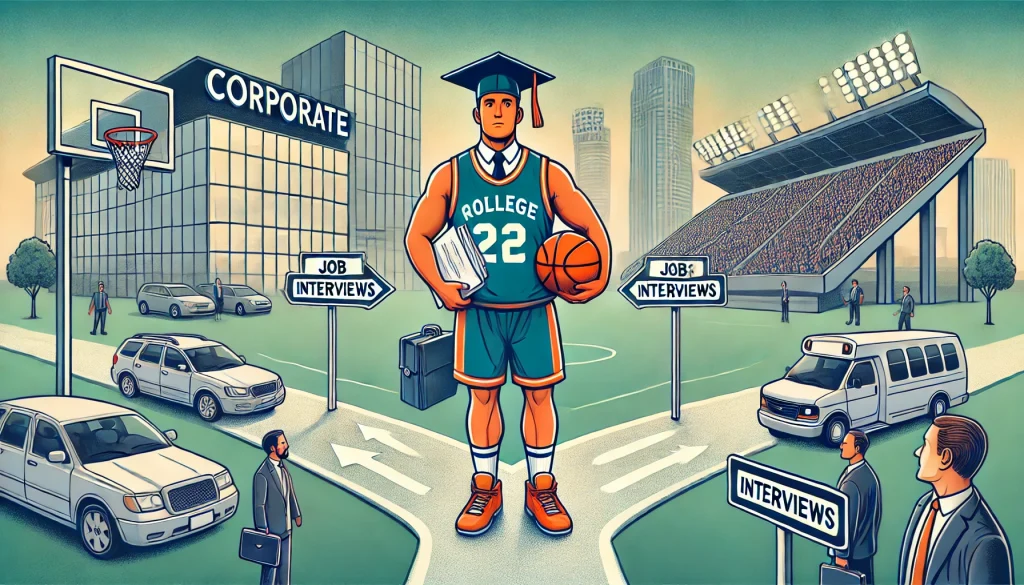
For years, college sports programs have perfected the art of sculpting student-athletes into high-performing machines. From early morning workouts to late-night study sessions, these programs leave no stone unturned when it comes to preparing athletes for game day. But what happens when the final whistle blows and the cheering stops? For many student-athletes, that’s where things get…awkward.
The transition from collegiate athletics to the “real world” can feel a bit like going from the front lines of a championship game to the sidelines of life. Suddenly, the well-oiled machine of scheduled practices, academic advisors, and nutritional guidance disappears. Athletes are left wondering: Now what? It’s like stepping off a treadmill that never had an “off” button.
The truth is, post-graduation support for student-athletes remains one of the most overlooked aspects of college sports programs. Sure, there are occasional career workshops and alumni networking events, but let’s be real—transitioning from a life centered around sports to navigating job applications, interviews, and career growth can feel like trying to score a touchdown with no playbook.
Colleges invest millions in athletic facilities, top-tier coaching, and recruitment, but once eligibility expires, it often feels like the support pipeline dries up. Many athletes find themselves lacking the resources they need to translate their unique skill sets—discipline, teamwork, leadership—into meaningful careers outside of sports.
Part of the challenge lies in the perception that athletes are already set for life. From the outside, it seems like they have it all—talent, exposure, and a strong network. However, the reality is quite different for the vast majority who don’t go pro. While they’ve spent years excelling in their sport, many haven’t had the time or guidance to develop clear career paths beyond the field or court.
What if college sports programs placed the same emphasis on post-graduation planning as they do on performance optimization? Imagine a world where student-athletes had access to comprehensive career coaching, mentorship opportunities with industry leaders, and workshops tailored to their unique experiences. After all, athletes possess a treasure trove of transferable skills that employers crave—resilience, adaptability, and an unparalleled work ethic.
Some forward-thinking programs are beginning to embrace the idea of a more holistic support system. Schools are introducing career development courses specifically designed for athletes, offering practical insights on resume building, interview techniques, and leveraging their sports experience in the job market. Others are connecting former athletes with current students through mentorship programs that go beyond simply reminiscing about the good ol’ days.
Of course, technology is also stepping up to the plate. Platforms like BluChip are revolutionizing the way student-athletes prepare for life after sports, providing them with personalized career resources, networking opportunities, and valuable insights on how to market their athletic experience to potential employers. With a little strategic planning, these tools can help athletes make a seamless transition into the workforce without losing the identity they’ve worked so hard to build.
The potential for post-graduation support models to evolve is limitless. Imagine programs that partner with major corporations to create internship opportunities tailored to athletes’ strengths. Picture career fairs specifically designed to showcase the unique skill sets of student-athletes to employers who understand the value they bring to the table.
Ultimately, the goal should be to ensure that student-athletes leave college feeling just as prepared for their careers as they were for their final game. By integrating robust support systems that extend beyond the field, universities can help athletes continue their journey of excellence long after their playing days are over.
So, while athletic programs have mastered the art of preparing students for competition, it’s time they channel that same energy into preparing them for life. After all, the game doesn’t end at graduation—it just changes arenas. And with the right support, student-athletes can go on to achieve victories in every aspect of life.