

Big Bucks, Big Changes: How a $2 Billion NCAA Settlement Could Shake Up College Sports

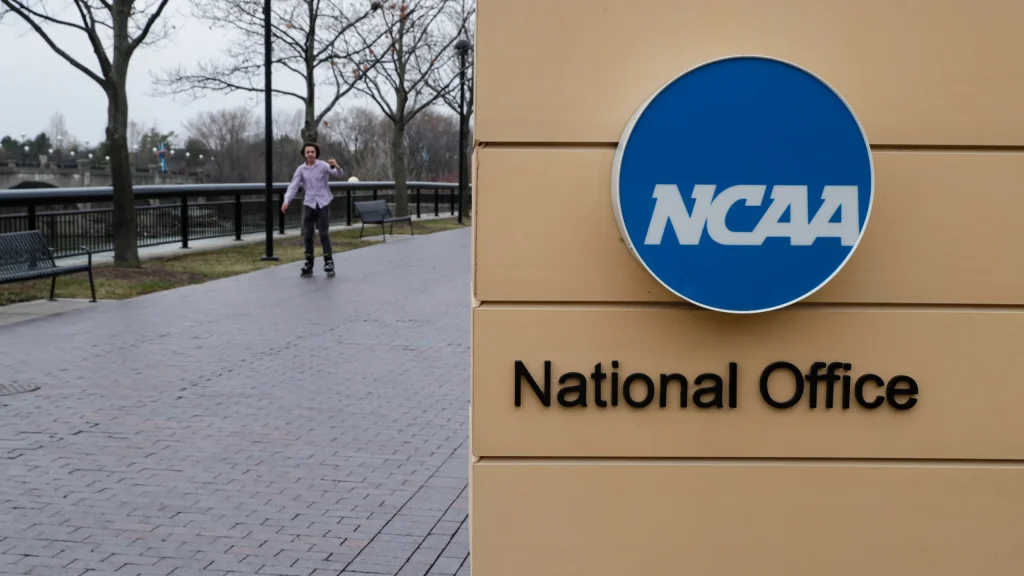
The NCAA just lobbed a game-changing pass into the world of college sports, and the scoreboard is lighting up in ways no one quite expected. In a landmark settlement, the NCAA and several major conferences have agreed to shell out over $2 billion to former student-athletes who missed out on name, image, and likeness (NIL) opportunities due to the NCAA’s past restrictions. And that’s not all—this deal is opening Pandora’s locker room with new rules that could reshape college athletics as we know it.
A Brief Look Back: The Lawsuit That Changed the Game
This all started with some seriously game-worthy legal drama. Back in 2021, the NCAA finally threw in the towel on its longstanding NIL restrictions after facing mounting pressure from state laws and, more importantly, a class-action lawsuit led by former UCLA basketball player Ed O’Bannon. The courts ruled that preventing athletes from profiting off their own name, image, and likeness was an antitrust violation. Fast-forward a few years, and the NCAA is still in legal hot water—this time over damages for athletes who were left out of the NIL boom from 2016 to 2021.
Attorney Matt Hoffmann, explaining the case’s origins, said, “This lawsuit—led by a former collegiate swimmer and other athletes—demanded compensation for opportunities lost under the old rules. It’s a turning point, but not without its own set of problems.” Translation: The settlement is historic, but it’s also stirring up a hornet’s nest in college sports.
The New Game Plan: Revenue Sharing and Roster Limits
One of the biggest shake-ups in this settlement is the introduction of revenue-sharing between colleges and their student-athletes. Under the proposed model, colleges could distribute about $20 million in annual revenue among athletes. Sounds like a slam dunk, right? Not so fast.
The settlement also includes roster caps, imposing hard limits on the number of athletes per team while increasing the number of athletic scholarships. For example, football rosters will shrink from an average of 130 players to a max of 105. Sure, scholarship athletes may get a bigger slice of the pie, but what about walk-ons?
Hoffmann didn’t mince words: “This is a disaster for walk-on athletes. It’s going to force a lot of them to quit or transfer. And don’t even get me started on how this impacts smaller programs that can barely keep the lights on as it is.”
With schools scrambling to cover these new costs, you might want to brace yourself for higher ticket prices, pricier hot dogs at the concession stand, and some eyebrow-raising athletic fees.
Winners, Losers, and a Lot of Questions
So, who comes out on top? Scholarship athletes, obviously. They’re finally getting a slice of the revenue pie, and that’s a win for those who have long argued that student-athletes deserve a bigger cut of the profits generated by their performances. But the losses—well, they’re stacking up like penalties in a rivalry game.
Walk-on athletes, in particular, are facing the short end of the stick. These players, who already make countless sacrifices to compete without scholarships, are now staring down limited roster spots. For smaller programs and lower divisions, the trickle-down effect could be devastating. “It’s truly the death of the ‘student-athlete,’” Hoffmann said. “We’re prioritizing money over education, and the ripple effects are going to hit thousands of students hard.”
And let’s not forget the fans. Will these changes diminish the competitive balance that makes college sports so exciting? Will smaller schools fade into irrelevance, leaving only the powerhouses standing?
A New Era for College Sports
This settlement is undeniably a milestone in the ongoing evolution of college athletics. For better or worse, it’s ushering in a new era where student-athletes can share in the financial rewards of their hard work. But it’s also a stark reminder that with great change comes great uncertainty.
As the dust settles, one thing is clear: college sports are never going to look the same again. Whether this is the start of something better or the beginning of unforeseen chaos, only time will tell. For now, we’ll just have to sit back and watch the game unfold.