

2024 in College Sports: A Year of Transformation, Triumph, and Turmoil

The year 2024 will be remembered as a transformative era in collegiate athletics, a year defined by milestones, controversies, and significant shifts across the sports landscape. From the expansion of the College Football Playoff to groundbreaking NIL deals and rising legal challenges, 2024 was anything but ordinary. Here is a deep dive into the stories that shaped college sports this year.
The 12-Team College Football Playoff Changes the Game
The expanded College Football Playoff (CFP) debuted in 2024, marking the most significant evolution in the sport since the playoff’s inception. With 12 teams now in the mix, the postseason became a battle royale that added excitement for fans and opened the door for underdog programs to shine on the national stage.
First-round games hosted on campus brought a unique energy to the playoff, as frenzied home crowds created electric atmospheres. The inclusion of conference champions and at-large teams not only increased access to the postseason but also fueled debates about seeding, competitiveness, and the financial windfall for participating programs. As the CFP’s new format unfolds, it is clear this change will redefine the future of college football.
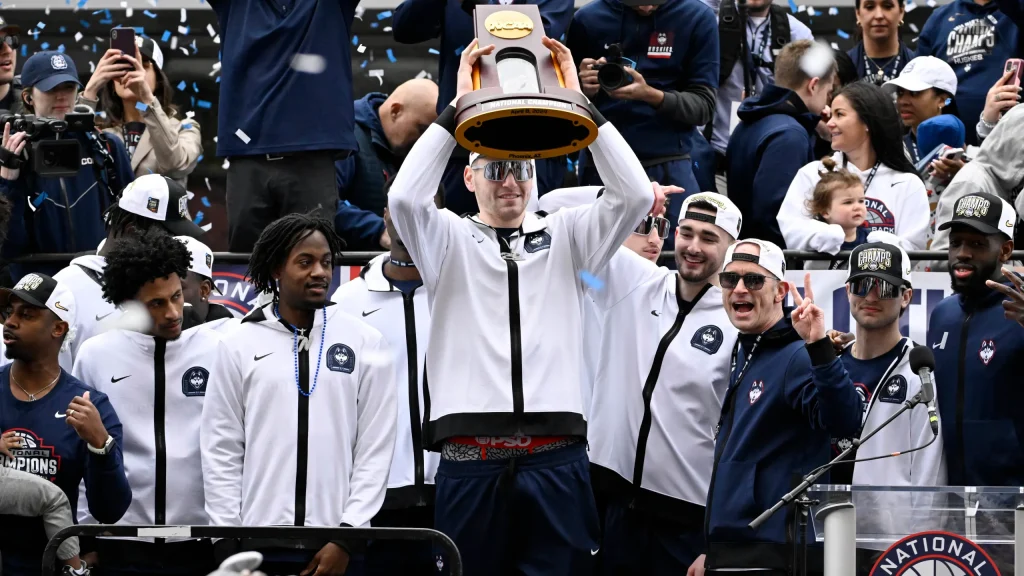
UConn Men’s Basketball: Back-to-Back Glory
On the hardwood, the University of Connecticut solidified its dynasty by clinching back-to-back NCAA men’s basketball championships. Under head coach Dan Hurley, the Huskies carved out one of the most dominant seasons in recent history, finishing with a staggering 37-3 record.
The team’s NCAA tournament run was a testament to their skill and determination, as they dismantled opponents with an average winning margin of 14 points per game. Analysts compared UConn’s dominance to the legendary UCLA teams of the John Wooden era. The Huskies’ success proved that not only are they a modern powerhouse, but they also raised the bar for excellence in college basketball.
NIL Deals Break the Bank
Name, Image, and Likeness (NIL) rights continued to reshape the financial landscape of college sports, and 2024 was no exception. The year’s most headline-grabbing deal came when Duke University signed star quarterback Darian Mensah from Tulane with an unprecedented $8 million NIL package.
This blockbuster agreement highlighted the soaring stakes in collegiate athletics and sparked a heated debate about the sustainability of NIL economics. Critics worried about the implications of such lucrative deals, particularly for smaller programs that lack the resources to compete financially. However, supporters argued that players like Mensah deserve compensation for the massive revenue they help generate.
Coaching Challenges in the NIL Era
The pressures of the evolving NIL environment reached a boiling point for some coaches, leading to notable departures. Miami basketball head coach Jim Larrañaga announced his resignation, citing exhaustion from navigating the rapid changes in college athletics.
Larrañaga’s departure underscored the challenges faced by coaches as they adapt to player empowerment, increased transfer activity, and the financial complexities of NIL. His exit symbolized a growing sentiment among veteran coaches who feel the traditional college sports model has been upended by modern dynamics.
The Rise of Women’s Sports
Women’s collegiate athletics experienced a banner year in 2024, driven by rising viewership and star power. Athletes like Caitlin Clark transitioned to professional leagues, bringing their massive college followings with them. This heightened visibility translated into increased sponsorships, greater fan engagement, and a boost in revenue for women’s programs.
The momentum of women’s sports highlighted a shift towards greater gender equity in athletics. From packed arenas to record-breaking television ratings, 2024 proved that women’s sports are no longer playing second fiddle—they are commanding center stage.
Conference Realignment Chaos
The year also brought seismic shifts in college sports conferences, disrupting traditional rivalries and creating new matchups. Conference realignment dominated headlines, with major programs moving to new homes in search of better financial opportunities and stronger competitive fields.
While some fans lamented the loss of historic rivalries, others embraced the new era of college sports, characterized by increased national exposure and fresh competitive dynamics. The long-term impact of these moves remains uncertain, but 2024’s realignment set the tone for a new chapter in collegiate athletics.
Final Thoughts: A Year of Transformation
From expanded playoffs to groundbreaking NIL deals, 2024 reshaped the college sports landscape in profound ways. While the changes brought excitement and opportunities, they also introduced challenges that will require careful navigation in the years to come. As athletes, coaches, and programs adapt to this new reality, one thing is certain: college sports are evolving faster than ever, and the journey ahead promises to be just as thrilling as the games themselves.