

NCPA Sets the Record Straight on NCAA Settlement: “Not Illegal” After All

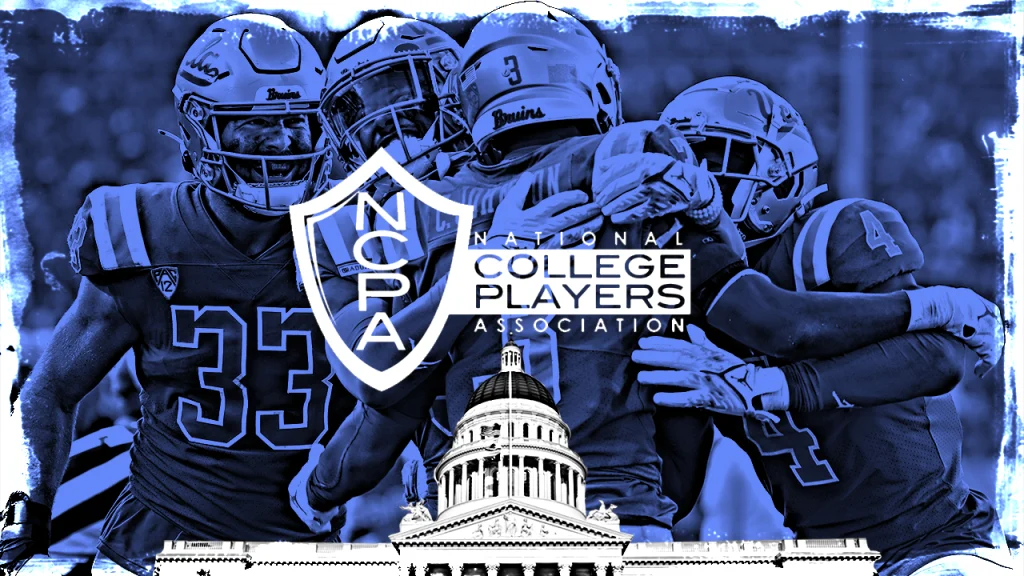
When it comes to NCAA settlements, things can get murky fast. This week, the National College Players Association (NCPA) did some quick footwork to clarify a previous statement suggesting that the House v. NCAA settlement might have violated state NIL laws. The advocacy group’s executive director, Ramogi Huma, issued a follow-up statement to clean up any confusion—because who doesn’t love a little midweek drama?
Huma explained in an email that the NCPA’s clarification came after they “received information” from Hagens Berman, the law firm serving as class co-counsel for the case. Turns out, the settlement isn’t as controversial as it first seemed. “The settlement has not been deemed illegal in any way,” Huma stated, likely hoping to put this issue to rest faster than a bad call gets overturned on replay review.
So, What’s the Backstory?
Last week, the NCPA worked with state senators—including California’s Nancy Skinner and Steven Bradford, as well as Megan Hunt from Nebraska and James Manning Jr. from Oregon—to release a press statement urging caution. The concern? They believed the settlement might impose restrictions on NIL payments from boosters and collectives, potentially clashing with state NIL laws.
This warning echoed sentiments from Hausfeld LLP, which filed a 30-page objection to the settlement. But now, with input from Hagens Berman, the NCPA has done a bit of a pivot. They emphasized that any NCAA rule conflicting with state law “would still be subject to such state laws and enforcement by the states.” Translation: State laws still hold the trump card in these situations.
What Should Schools Do?
The NCPA isn’t backing away entirely, though. They’re urging schools in states with NIL laws to dig deeper. Specifically, they suggest schools should “consider conducting an analysis about the degree to which their NIL law may protect NIL payments from ‘associated entities,’” including boosters, collectives, and other third-party money players.
It’s essentially a call for schools to do their homework. After all, when you’re dealing with boosters, NIL deals, and NCAA rules, the stakes are high.
Tying Up Loose Ends
While the NCPA clarified its position, it’s not spilling any more tea. When asked for further comment, Huma kept things brief, declining to elaborate. On the other side, Steve Berman, managing partner at Hagens Berman, expressed satisfaction with the NCPA’s clarification. “We are pleased that they are correcting the information,” Berman said. “It’s important, and the judge has acknowledged that the class get completely accurate information about the case.”
It’s safe to say this saga might not be over yet. But for now, the takeaway is clear: The NCAA settlement hasn’t broken any laws—at least not on paper. For collegiate athletes navigating the ever-evolving NIL landscape, that’s one less thing to worry about.