

Revolutionizing Recruitment: How AI and Tech Are Transforming the Hiring Game

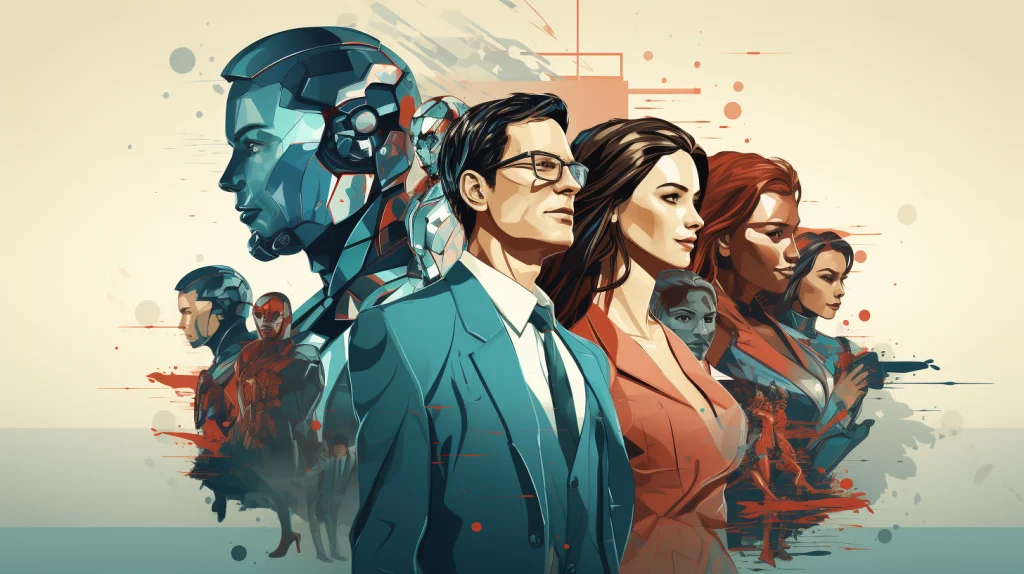
Job hunting used to look like a scene from an old sitcom: applicants would don their best suits, print out resumes on fancy paper, and pound the pavement. Today, recruitment has traded in that analog drama for a sleek, tech-powered future—one where algorithms can scan resumes in seconds, AI chatbots conduct initial interviews, and predictive analytics can tell if you’re a good cultural fit before you even step into the office. The hiring game has changed, and for collegiate athletes stepping into the workforce, it’s all about knowing how to play.
The rise of artificial intelligence (AI) and other technologies in recruitment isn’t just about saving time for overworked HR teams. It’s about finding the best match between employers and candidates faster, smarter, and sometimes with a little less small talk. If you’ve ever been on a team, you know the importance of finding the right fit. It’s not just about skills—it’s about chemistry, shared goals, and whether or not someone knows how to contribute without hogging the metaphorical ball.
The AI Coach in Your Corner
For job seekers, AI might feel like a double-edged sword. On the one hand, you’ve got powerful algorithms helping you find opportunities that align with your strengths and interests. On the other hand, you’re also trying to impress a faceless computer program before you even reach a human recruiter. It’s like trying to make the highlight reel on film before the coach sees you in practice.
AI systems sift through resumes at lightning speed, searching for keywords and phrases that match a job’s requirements. This means tailoring your resume isn’t just smart—it’s essential. If you’re applying for a role in marketing but your resume is full of vague references to “team projects” and “communication skills,” you might miss the cut. Think of it as optimizing your game stats to impress the scouts: specific, measurable, and relevant wins will always stand out.
But AI isn’t just screening candidates—it’s also helping them prep. Tools like LinkedIn’s Resume Builder or AI-driven interview coaches simulate job interviews and give feedback on everything from tone to word choice. It’s like having a personal trainer for your job search, minus the sweat. And while these tools can’t replicate the charm of nailing a tricky question in person, they do help you approach interviews with confidence.
The Game Film of Recruitment
Just as athletes review game film to study their performance, recruiters now rely on data and analytics to make hiring decisions. Tech tools can track your engagement with a company’s hiring process, from how long you spend on their career page to whether you open their follow-up emails. It’s like being watched by a scout, except the scout is an algorithm and you didn’t know your click-through rate was being evaluated.
For job seekers, this means every interaction counts. A half-hearted application or a generic email response might signal to the system (and the humans behind it) that you’re not serious about the opportunity. On the flip side, candidates who engage thoughtfully—by customizing applications, attending virtual events, or even just sending a thank-you email—tend to stand out in all the right ways.
Tech Meets Team Chemistry
While AI is great at crunching numbers and identifying patterns, it still can’t tell whether you’ll gel with your future teammates—or if your sense of humor will go over well in the office Slack channel. That’s where other tools come into play. Video interviews, personality assessments, and even gamified tests are helping companies get a better sense of who you are beyond your resume.
For athletes, this is where your team experience shines. Questions like “How do you handle conflict?” or “Can you work well under pressure?” are tailor-made for people who’ve lived through overtime nail-biters or locker-room debates about game strategy. Sharing those stories not only answers the question—it also shows recruiters you’ve got real-world experience balancing collaboration and competition.
The Human Touch Isn’t Dead
Despite all the tech, human intuition still plays a huge role in recruitment. Companies may use AI to narrow the field, but decisions often come down to the personal connections you make during interviews or networking. Think of it as the difference between watching game stats and actually meeting the player. Both are valuable, but the latter seals the deal.
Recruiters know that AI has its limits. Algorithms can’t fully assess creativity, grit, or the unique qualities that make someone a standout hire. That’s where you come in, with your stories, charisma, and ability to adapt. Whether you’re sharing how you led your team to a championship or how you tackled a tough class schedule while training, those human moments resonate in ways no algorithm ever could.
Preparing for the Future of Work
As technology continues to reshape the job market, the key for job seekers isn’t to fear the machines but to work with them. Stay curious, embrace tools that help you stand out, and remember that at the end of the day, people hire people. Your ability to build relationships, stay adaptable, and bring unique experiences to the table will always be in demand—no matter how many robots join the hiring team.
For collegiate athletes, this tech-driven evolution in recruitment might feel like a new playbook to learn. But if there’s one thing sports teach you, it’s how to prepare, adapt, and perform under pressure. So, lean into the process, use the tools to your advantage, and show recruiters you’re not just ready to join the team—you’re ready to win the game.