

Student-Athletes Are Leading Environmental Advocacy on Campus

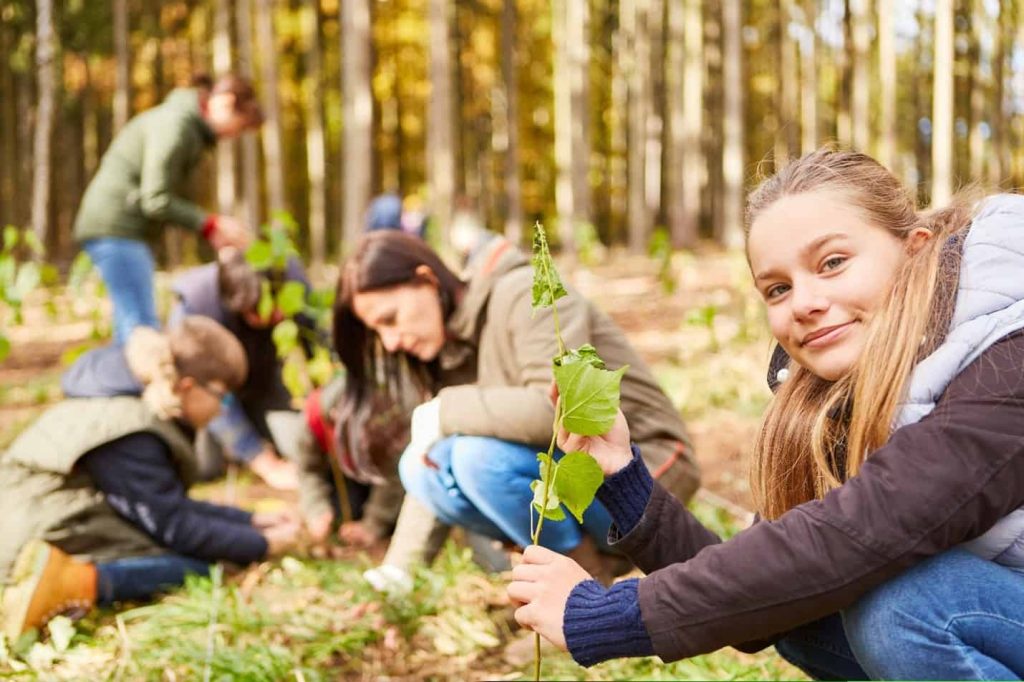
Across college campuses, student-athletes are stepping off the field and into a new role as environmental advocates, using their platforms to lead change for a more sustainable future. With their strong influence and leadership abilities, these eco-athletes are bringing awareness to climate change, waste reduction, and environmental justice, setting a powerful example for their peers. In an era where global environmental concerns are becoming more urgent, the voice and actions of these athletes are making a notable impact, both within their teams and across their university communities.
The Intersection of Sports and Sustainability
Sports and sustainability might seem like two unrelated worlds at first glance, but they are deeply intertwined. The reality of athletics, with its heavy reliance on travel, extensive use of facilities, and demand for equipment, can have a substantial environmental footprint. From the energy required to light stadiums to the waste generated by disposable gear, sporting events contribute to the growing problem of resource depletion and environmental degradation.
Recognizing this, many student-athletes have decided to take action, driven by a personal connection to nature, a desire to protect their playing environments, or simply the need to reduce the environmental impact of their teams and athletic departments. In the process, they are becoming role models in sustainability, showing that anyone, even in high-intensity, high-performance fields like sports, can make a difference.
Initiating Change from the Inside
Many student-athletes have taken the lead in advocating for sustainability efforts within their athletic programs. These eco-athletes are working to reduce the environmental impact of their teams by promoting recycling programs, reducing single-use plastics, and encouraging the use of more sustainable materials in sports gear. They are also advocating for energy-efficient facilities and working with their universities to implement green initiatives, such as reducing water use in training facilities or switching to renewable energy sources for stadiums.
For example, several college programs have made strides toward zero-waste stadiums, where almost all trash is diverted from landfills and is instead composted or recycled. Student-athletes are often involved in these efforts, educating fans and teammates on proper waste disposal methods during games and events. These athletes, through their visibility, can communicate a powerful message: that even in large-scale, high-traffic environments, sustainability is possible with the right commitment and education.
Campus-Wide Leadership
Beyond their athletic circles, student-athletes are also influencing the broader campus community. Many athletes are spearheading campus sustainability groups, organizing clean-up efforts, and participating in environmental activism that goes beyond their immediate sports environments. In doing so, they demonstrate that leadership on the field can translate into leadership for a cause that affects the entire planet.
Student-athletes are using their visibility and popularity to raise awareness about pressing environmental issues. Whether it’s through social media campaigns, hosting workshops, or speaking at campus events, these athletes are educating their peers about climate change, biodiversity loss, and the importance of adopting more sustainable lifestyles. Some athletes even collaborate with environmental science departments or sustainability offices to host seminars or sponsor events like Earth Day celebrations and campus-wide sustainability weeks.
This cross-campus leadership is effective not only because of the influence athletes carry but also because of their ability to inspire action. Their example encourages other students—athletes and non-athletes alike—to get involved in environmental causes, knowing that change is achievable when driven by passion and teamwork.
The Role of Partnerships
To further their impact, student-athletes often partner with environmental organizations, both on campus and nationally, to amplify their advocacy. These partnerships allow them to access resources, guidance, and platforms that can help expand their sustainability efforts. For instance, some athletes work with initiatives like the Green Sports Alliance or EcoAthletes, organizations that help connect sports with environmental advocacy by providing tools and a network for athletes who want to lead eco-friendly movements.
Through these partnerships, student-athletes have been able to promote renewable energy, advocate for environmental policies, and campaign for divestment from fossil fuels. By aligning themselves with larger environmental organizations, they can move beyond the campus sphere and contribute to broader, systemic changes that address global environmental challenges.
The Impact of Eco-Athletes on the Future
As the world faces the growing threat of climate change, the role of student-athletes as advocates for environmental responsibility becomes even more critical. Their actions, both on and off the field, set a precedent for future athletes and students to follow. Not only are they inspiring their peers to adopt sustainable practices, but they are also showing how the next generation of leaders can incorporate environmental advocacy into every aspect of their lives and careers.
The involvement of student-athletes in environmental movements also points to a future where sustainability is woven into the fabric of collegiate sports. Athletic departments across the country are increasingly adopting sustainable practices, driven in part by the enthusiasm and activism of the athletes themselves. The ripple effect of these changes can already be seen in the rise of green certifications for stadiums, increased use of renewable energy, and the growth of environmental studies programs that are connected to athletics departments.
A Legacy Beyond Sports
The legacy of eco-athletes is about more than just their athletic achievements—it’s about the long-term impact they have on their communities and the planet. Their work in sustainability and environmental advocacy highlights the power of athletes to lead on issues that extend far beyond the confines of their sport. By using their platform for environmental causes, they are making meaningful contributions to the global conversation on sustainability and climate action.
As more student-athletes take up the mantle of environmental leadership, the potential for positive change grows. Their collective efforts serve as a reminder that tackling environmental issues requires teamwork, persistence, and the drive to make a difference—qualities that athletes possess in abundance. Through their advocacy, eco-athletes are proving that the fight for a healthier planet is one they are ready to lead, alongside their efforts on the field.