

How Virtual Worlds Are Changing Athletic Engagement

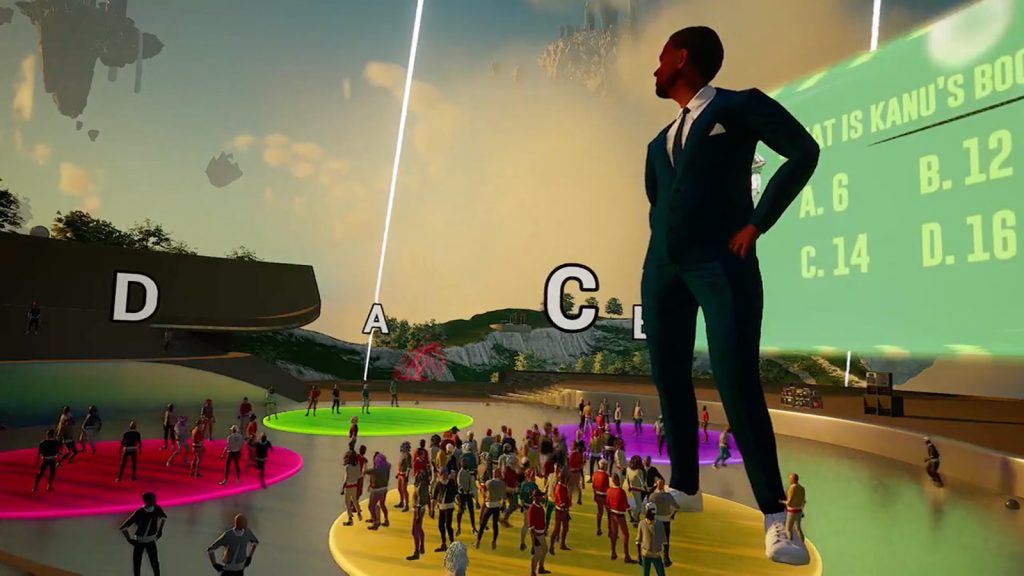
The world of sports is no stranger to technological evolution. From instant replays to performance analytics, technology has continually shaped the way fans experience and athletes engage with their favorite sports. But a new frontier is emerging that promises to reshape athletic engagement in ways previously unimaginable: the metaverse. As a shared virtual environment where people can interact through digital avatars, the metaverse is redefining how fans, athletes, and brands connect, creating new opportunities for immersive experiences and fan participation.
Sports organizations and tech companies alike are beginning to explore how these virtual worlds can deepen fan engagement, create new revenue streams, and blur the lines between the physical and digital realms of athletics. By leveraging technologies such as augmented reality (AR), virtual reality (VR), and blockchain, the metaverse is quickly becoming the next big disruptor in sports.
Immersive Fan Experiences
One of the most exciting aspects of the metaverse is its ability to offer fans unprecedented levels of immersion. Traditional sports viewing—whether on TV or in person—limits the audience’s role to that of a passive observer. In the metaverse, however, fans can become active participants in virtual environments that mirror real-world stadiums, arenas, or even entirely fictional settings. This transforms the way people experience sports, allowing them to interact with their favorite athletes, attend virtual matches, and even explore behind-the-scenes areas that are typically off-limits.
Imagine watching a basketball game courtside from your living room, using a VR headset that places you right in the action. Fans can choose their perspectives, roam the stadium, or even engage with other virtual spectators. This level of interactivity makes the experience more dynamic, bringing fans closer to the sport than ever before. Sports organizations such as the NBA and NFL have already begun experimenting with VR content, offering fans immersive game-watching experiences that are unlike anything they’ve seen before.
New Forms of Athletic Engagement
The metaverse also opens up new opportunities for athletes to engage with their fanbase in innovative ways. Athletes are no longer limited to traditional media appearances or social media interactions. Instead, they can create virtual events in which fans interact with them in real time, attend virtual meet-and-greets, or participate in collaborative activities such as gaming, virtual training sessions, or live Q&A sessions in a 3D space.
Some athletes are even developing their own virtual avatars, allowing them to maintain a presence in the metaverse even when they are not physically available. These avatars can participate in virtual sports events, endorse products, or even lead digital training programs. This level of personalization creates an intimate connection between athletes and their fans, offering engagement in ways that feel personal and meaningful.
Additionally, as esports and gaming continue to rise in popularity, athletes can expand their digital footprint by collaborating with gaming platforms within the metaverse. This crossover between traditional sports and virtual sports blurs the lines between the two, giving athletes new avenues to reach diverse audiences that are as invested in virtual worlds as they are in physical competitions.
The Rise of Digital Collectibles
One of the key drivers behind the metaverse’s growth in sports is the rise of digital collectibles, made possible by blockchain technology and non-fungible tokens (NFTs). Digital collectibles offer fans a new way to connect with their favorite teams and athletes by owning unique digital assets such as virtual memorabilia, digital trading cards, and exclusive moments. These NFTs can be bought, sold, and traded on blockchain marketplaces, giving fans a new type of ownership experience that extends beyond traditional collectibles like jerseys or signed merchandise.
Sports teams and leagues are quickly embracing NFTs as a way to tap into new revenue streams while enhancing fan engagement. For example, NBA Top Shot, a blockchain-based platform, allows fans to purchase and trade video clips of iconic basketball moments, creating a new form of sports memorabilia. This digital marketplace has exploded in popularity, proving that there is significant demand for virtual ownership in the sports world.
The metaverse amplifies this by allowing fans to showcase their digital collectibles in virtual environments. A fan might display their rare NFT trophy in a virtual home or wear digital gear from their favorite team inside the metaverse. This ownership of exclusive digital content adds another layer of interaction and connection with the sport and its community.
Virtual Stadiums and Events
The metaverse is also revolutionizing the concept of sports events and stadiums. Traditional stadiums are limited by physical space and geography, but virtual stadiums can be accessed by anyone, anywhere in the world. These digital arenas provide a platform for hosting sporting events that transcend physical limitations, allowing fans from different continents to gather in one virtual location to watch a game or participate in an event.
These virtual stadiums can host more than just live sports games—they can also be a venue for concerts, product launches, fan experiences, and more. The ability to create themed virtual events around major sporting occasions adds a whole new dimension to how fans experience their favorite teams and athletes. Sports leagues and brands are beginning to recognize the potential of virtual stadiums not only as fan engagement tools but also as powerful marketing platforms where they can sell virtual merchandise, offer branded experiences, and increase overall visibility.
Challenges and Opportunities
As promising as the metaverse is for the future of sports, there are also challenges to be addressed. Technological barriers such as the cost of VR equipment, accessibility issues, and the need for fast, reliable internet connections may slow widespread adoption. Additionally, ensuring a secure and ethical digital environment where athletes and fans can safely interact is crucial to the long-term success of sports in the metaverse.
Despite these challenges, the potential opportunities are immense. Brands, leagues, and athletes who embrace this new digital frontier will be able to engage with their fans in innovative ways, creating immersive experiences that go far beyond what’s possible in traditional settings.
The intersection of sports and the metaverse represents a significant shift in how we think about athletic engagement. By leveraging virtual worlds, sports organizations can create new experiences that deepen the connection between athletes and fans while opening up untapped possibilities for revenue, entertainment, and fan interaction. The future of sports is evolving, and the metaverse is poised to be a central part of that transformation.