

Virtual Coaches and AI Training Partners: The Future of Personalized Athletic Training

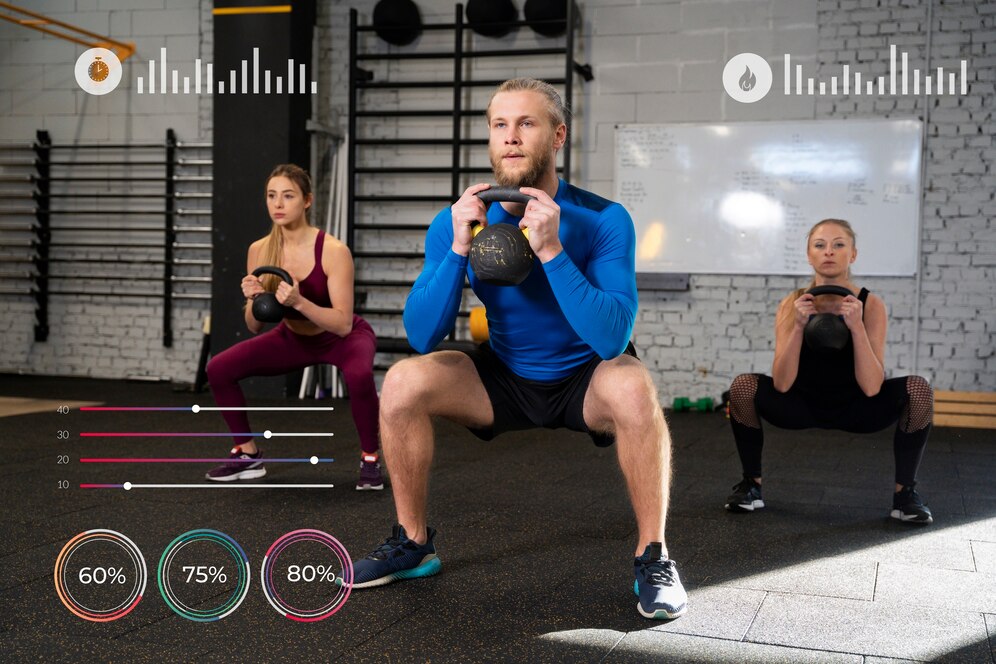
The world of athletic training is undergoing a revolution, driven by technological advancements that are reshaping how athletes train, recover, and achieve their goals. Virtual coaches and AI training partners are rapidly emerging as pivotal tools in personalized athletic training, offering tailored guidance, real-time feedback, and continuous improvement—all without the need for in-person coaching. These innovations are changing the landscape of sports and fitness, creating a future where athletes of all levels can receive custom-designed training plans suited to their unique needs, capabilities, and goals.
Personalization at Scale
One of the key advantages of virtual coaches and AI training partners is their ability to offer highly personalized training experiences on a large scale. Traditional coaching often requires one-on-one time, limiting how many athletes can be trained effectively. Virtual coaches, on the other hand, are available around the clock, offering custom feedback and workout plans that adapt to an athlete’s performance, goals, and even real-time data like heart rate and exertion levels.
This level of personalization allows athletes to optimize their training in ways that were once only available to professional competitors with access to full-time coaches. For instance, virtual coaches can analyze past workouts, identify areas for improvement, and adjust upcoming sessions to enhance performance while minimizing the risk of injury. Additionally, AI training partners can consider factors like sleep quality, stress, and nutrition, giving athletes a well-rounded approach to training.
Data-Driven Feedback in Real Time
Real-time feedback is another critical feature that AI-driven training provides. Wearable devices, such as smartwatches, fitness trackers, and even smart clothing, can monitor various metrics during workouts, such as speed, form, and intensity. The data collected is immediately analyzed by AI algorithms that provide instant suggestions for improvement.
For example, if a runner’s form begins to falter during a training session, an AI-powered app could send an alert, prompting the athlete to correct their posture and reduce the likelihood of injury. This type of feedback was once limited to athletes with in-person coaches or access to specialized facilities, but AI makes it accessible to anyone with a smartphone or wearable device.
Moreover, AI training partners can act as motivators by adjusting workout intensity based on real-time data, ensuring that athletes stay within optimal zones for both endurance and strength training. If an athlete is showing signs of fatigue, the AI might suggest reducing the intensity of the workout, or if it detects underperformance, it might ramp up the difficulty. This smart adaptation helps athletes maximize their efforts while maintaining a safe and productive training environment.
The Rise of Virtual Coaches
Virtual coaching has come a long way from pre-recorded fitness videos or generic online training programs. Today’s virtual coaches use AI to provide a more interactive experience. They offer real-time guidance, personalized training programs, and detailed analytics of an athlete’s performance. These coaches can “learn” from an athlete’s progress and adjust the training plan accordingly, mimicking the role of a live coach but with the convenience of on-demand access.
For many athletes, this kind of flexibility is crucial. Rather than adhering to the fixed schedule of a human coach, virtual coaches allow athletes to train whenever and wherever they want, without sacrificing quality. They also offer an affordable alternative to in-person coaching, making professional-grade training more accessible to amateur athletes, students, and hobbyists.
Virtual coaches also take into account the mental aspect of training, incorporating mindfulness techniques, motivational tips, and recovery strategies that keep athletes engaged and prevent burnout. These personalized touches are critical in helping athletes maintain consistency over the long term, which is one of the most significant factors in achieving athletic success.
AI Training Partners and the Competitive Edge
The competitive landscape of sports is intense, and athletes are always looking for an edge to improve their performance. AI training partners offer this edge by using machine learning to continually improve and refine training strategies. They don’t just provide feedback—they evolve based on an athlete’s progression, setting more complex goals as performance improves.
For team sports, AI training partners are also making strides. Some advanced platforms are now capable of analyzing team dynamics, offering insights into how each athlete’s performance contributes to the overall game strategy. This data-driven approach helps coaches make informed decisions about how to structure practice sessions and improve collaboration among team members.
Furthermore, the predictive capabilities of AI can anticipate when an athlete is at risk of overtraining or injury, allowing for adjustments before problems arise. This proactive approach is transforming how teams and individuals approach athletic development, focusing not just on peak performance but also on long-term sustainability.
A Future Beyond Limits
The future of personalized athletic training lies in the hands of AI and virtual coaching. As these technologies continue to evolve, they will become more intuitive, offering an even deeper level of customization and feedback. Virtual coaches and AI training partners are likely to integrate more seamlessly with wearable technology, providing a holistic view of an athlete’s health and performance.
Additionally, the potential for AI to incorporate virtual reality (VR) could add an entirely new dimension to training. Imagine a virtual coach guiding you through drills in a VR setting, simulating real-world environments while providing instant feedback on your technique. The possibilities are vast, and they promise to make personalized training more engaging, effective, and immersive than ever before.
The impact of virtual coaches and AI training partners is already profound, and it’s only the beginning. Whether you’re a professional athlete seeking a competitive advantage or a fitness enthusiast looking for a personalized training experience, these tools represent the future of athletic performance. In a world where technology is constantly evolving, the fusion of AI and athletics is a natural progression, promising a future where personalized coaching is available to all, at any time, and from anywhere.