

Athletes in Space: How NASA and College Athletes Could Collaborate on Future Research

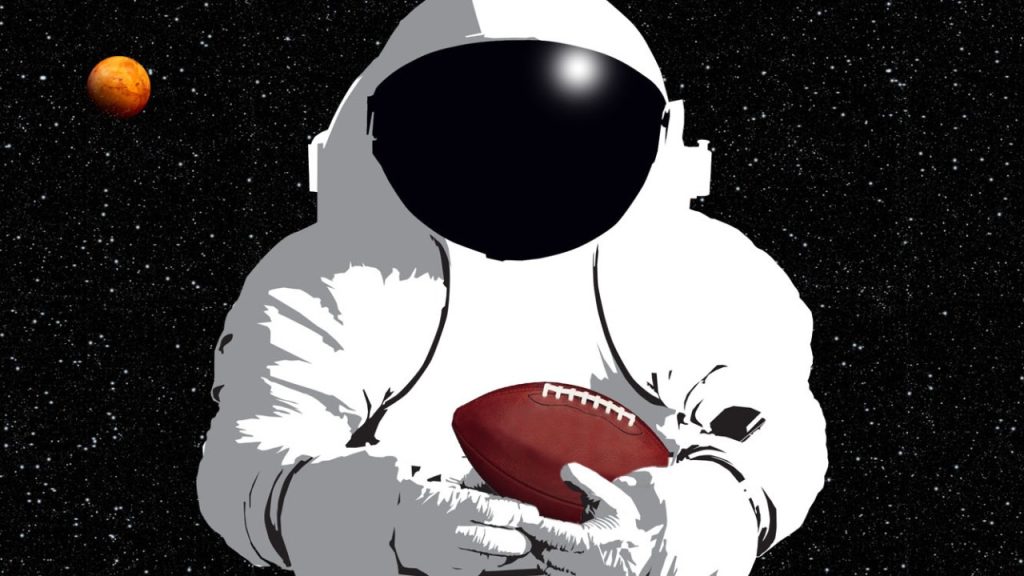
The intersection of space exploration and athletic performance may seem like a distant connection at first glance, but the collaboration between NASA and college athletes holds great potential for advancing research in both fields. NASA’s long-standing commitment to pushing the boundaries of human endurance and innovation finds a surprising parallel in the physical and mental resilience of college athletes. As space exploration extends further into the cosmos and human spaceflights become more frequent, the demand for advanced research into human physiology, biomechanics, and psychological resilience grows. Student-athletes, with their peak physical condition and rigorous training, present an untapped resource for NASA’s pursuit of new frontiers.
The idea of athletes contributing to space research is not as far-fetched as it may initially sound. Both astronauts and athletes share a unique understanding of the human body’s limits and capabilities. Astronauts, much like athletes, undergo rigorous physical training to prepare for the demanding conditions of space. From maintaining muscle mass in zero-gravity environments to optimizing cardiovascular health, many of the challenges astronauts face in space are similar to those athletes face during intense training and competition. This overlap creates opportunities for collaboration, where college athletes could serve as subjects or contributors to NASA’s research into how extreme conditions affect human physiology.
One area of immediate interest is the study of muscle atrophy and bone density loss, two significant issues astronauts face during extended spaceflights. In space, the lack of gravity leads to the weakening of muscles and bones, which can have long-term health consequences. Similarly, athletes—particularly those in endurance sports like long-distance running—constantly deal with maintaining their muscle mass and bone strength under intense physical strain. By collaborating with NASA, student-athletes could participate in studies that examine how the human body responds to various training regimens aimed at preventing muscle loss and promoting bone health. This research could not only benefit future space travelers but also enhance the understanding of athletic training and injury prevention on Earth.
Additionally, student-athletes could help NASA explore the limits of cardiovascular performance in space. Space missions demand high levels of cardiovascular fitness to endure the stresses of launch, re-entry, and prolonged exposure to microgravity. Similarly, athletes in sports such as swimming, cycling, and soccer develop exceptional cardiovascular strength through intensive training. By studying how athletes’ cardiovascular systems adapt to different stressors, NASA could gain valuable insights into how the heart and lungs might perform in space. Conversely, this research could also lead to improved training techniques for athletes on Earth, allowing them to push their cardiovascular limits further while reducing the risk of overtraining or heart-related issues.
The psychological resilience of athletes also provides fertile ground for collaboration. College athletes often face significant mental pressure, balancing the demands of high-level sports with academic responsibilities and personal development. Astronauts, too, must manage the mental challenges of isolation, confinement, and high-stakes decision-making during long missions. NASA has long been interested in understanding how psychological resilience can be developed and maintained in such stressful environments. Student-athletes, who routinely handle pressure in both competition and personal life, could provide valuable data on coping strategies, mental toughness, and performance under pressure. In return, athletes could benefit from NASA’s psychological research, learning new techniques to improve focus, emotional regulation, and mental recovery after competitions.
Sleep science is another area ripe for exploration between NASA and college athletes. Both astronauts and athletes require optimal sleep to perform at their best. However, astronauts on long missions often experience disrupted sleep cycles due to the lack of a regular day-night cycle in space. Likewise, college athletes frequently face challenges in maintaining healthy sleep patterns due to late-night games, travel schedules, and academic workloads. By partnering with NASA, student-athletes could help researchers better understand how to optimize sleep quality in both space and sports settings. This research could lead to the development of new technologies or strategies that enhance sleep, boosting performance for both astronauts and athletes.
Beyond physiological and psychological research, student-athletes could also contribute to NASA’s mission through technological innovation. Many college athletes are studying fields such as engineering, biomechanics, or computer science. Their firsthand experience with sports technology—whether through wearable devices, advanced training equipment, or biomechanical analysis tools—positions them to collaborate with NASA on creating new technologies that benefit both space missions and athletic performance. For example, wearable technology used to monitor astronauts’ health could be adapted to track athletes’ recovery or performance in real-time, offering insights that benefit both fields.
The potential collaboration between NASA and student-athletes could also serve as an inspiring example of interdisciplinary innovation. The crossover between space exploration and athletics demonstrates that pushing the boundaries of human potential is not confined to any one discipline. By leveraging the strengths of both athletes and space explorers, NASA could unlock new discoveries about the human body’s resilience, while student-athletes could gain access to cutting-edge research that enhances their performance both on and off the field.
In a world where the frontiers of space and athletic performance continue to expand, a collaboration between NASA and college athletes would offer mutual benefits, furthering research into human health and performance in extreme environments. As the boundaries of human exploration stretch beyond Earth, the role that athletes could play in advancing space research becomes ever more compelling. Both astronauts and athletes are in the business of pushing limits, and their combined efforts could lead to breakthroughs that extend far beyond what either could achieve alone. The partnership between NASA and student-athletes has the potential to bring about a new era of discovery, shaping the future of both space travel and sports in ways we have yet to imagine.