

Bouncing Back: Mental Resilience in Student-Athletes After Injury

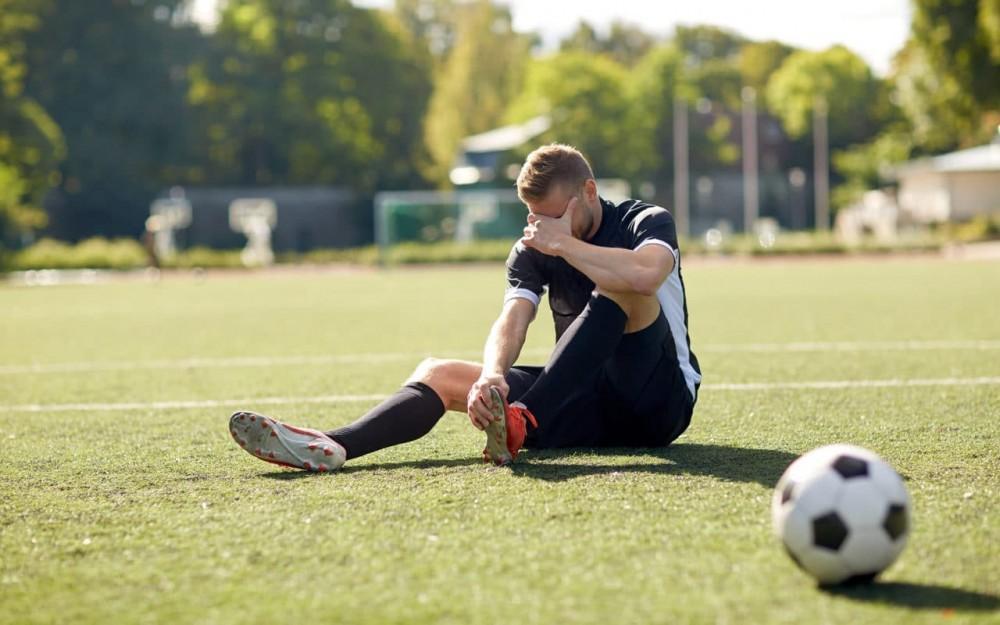
Injury is one of the most daunting challenges a student-athlete can face. The physical pain is often matched, if not surpassed, by the mental and emotional hurdles that accompany it. For athletes who devote their time and energy to honing their skills, the sudden interruption of an injury can feel like the rug has been pulled from under them. The journey back to full health requires more than just physical rehabilitation; it demands mental resilience, emotional strength, and an unwavering belief in oneself.
For student-athletes, sports are not just a pastime; they’re a way of life. Many athletes have been training for years, with dreams of competing at higher levels—whether that’s in college, or perhaps professionally. An injury, then, doesn’t just mean time away from the game; it can feel like a step back in the pursuit of their dreams. The sudden absence from practices, games, and team camaraderie can be isolating. The athlete is left on the sidelines, watching their peers continue to progress, while they are forced to focus on their own healing process. The mental toll of being separated from the sport they love is profound.
Resilience is critical in moments like these, but developing it doesn’t happen overnight. Injured athletes may feel a mix of emotions: frustration, anger, sadness, and sometimes even guilt. There’s often a pressure to return as quickly as possible, to not “fall behind,” which can lead to feelings of inadequacy if recovery takes longer than expected. In this fragile state, it’s easy to spiral into negative thinking—wondering whether they’ll ever be the same player again, or if their future in the sport is now compromised. However, the key to bouncing back lies in shifting that mindset and focusing on the aspects of recovery that they can control.
One of the first steps in building mental resilience is acceptance. Accepting that an injury has occurred and that the recovery process is not something that can be rushed is essential. It’s easy to fall into the trap of self-blame or to dwell on what might have been, but these thoughts only delay progress. Acceptance doesn’t mean giving up hope; rather, it means understanding that the path to recovery will be different, but it’s still achievable.
Setting realistic, short-term goals during the recovery process can help athletes regain a sense of control. The larger goal of returning to the field or court might seem distant, but breaking it down into manageable steps—such as improving range of motion, regaining strength, or simply staying engaged with the team—provides small wins that foster a positive mindset. These incremental goals also remind athletes that progress is happening, even if it’s slower than they’d like.
During this time, the support of coaches, teammates, and even mental health professionals can make a significant difference. Coaches can play a pivotal role by encouraging the athlete’s mental development and staying involved in their recovery process. When athletes feel like they’re still part of the team—whether by attending practices, engaging in strategy discussions, or assisting teammates—they maintain a connection to their sport, reducing feelings of isolation. Peer support from teammates can also provide motivation, as teammates understand the physical and emotional challenges of competitive sports.
Mental resilience is further strengthened when athletes shift their focus to what they can still do, rather than what they can’t. Injured athletes often have more time on their hands, which can be both a blessing and a curse. This extra time can be used productively to develop other aspects of their game—such as studying film, working on mental strategies, or improving academic skills. Staying engaged mentally can ease the transition back into the sport when the body is ready.
Reframing setbacks as opportunities for growth is another important aspect of mental resilience. While no one wishes for an injury, these moments can offer lessons in patience, perseverance, and self-awareness. Athletes who have gone through the grueling process of recovery often come back stronger mentally. They’ve had time to reflect on why they play, what they love about the sport, and how they can approach it with a renewed sense of gratitude.
It’s also important to acknowledge that the fear of re-injury can be just as debilitating as the injury itself. Once physically healed, many athletes are hesitant to push themselves as hard as they did before. This fear is understandable but overcoming it is a critical part of the recovery journey. Working with physical therapists and mental coaches to gradually rebuild confidence is essential. By taking small steps—whether that’s testing their strength in controlled settings or visualizing successful returns—athletes can ease back into their performance level without the looming shadow of fear.
In the end, bouncing back from an injury is as much about mental fortitude as it is about physical rehabilitation. It requires embracing the uncertainty, trusting the recovery process, and maintaining hope even when the road is tough. Injured athletes who develop mental resilience often find that they return to their sport with not only a healed body but also a sharper, more resilient mind. They’ve faced the adversity of injury and emerged with a deeper understanding of themselves and their capabilities. The process may be painful, but for many, it leads to growth that transcends the physical bounds of sport.