

Bouncing Back: How Injured Athletes Are Pioneering Careers in PT and Sports Medicine

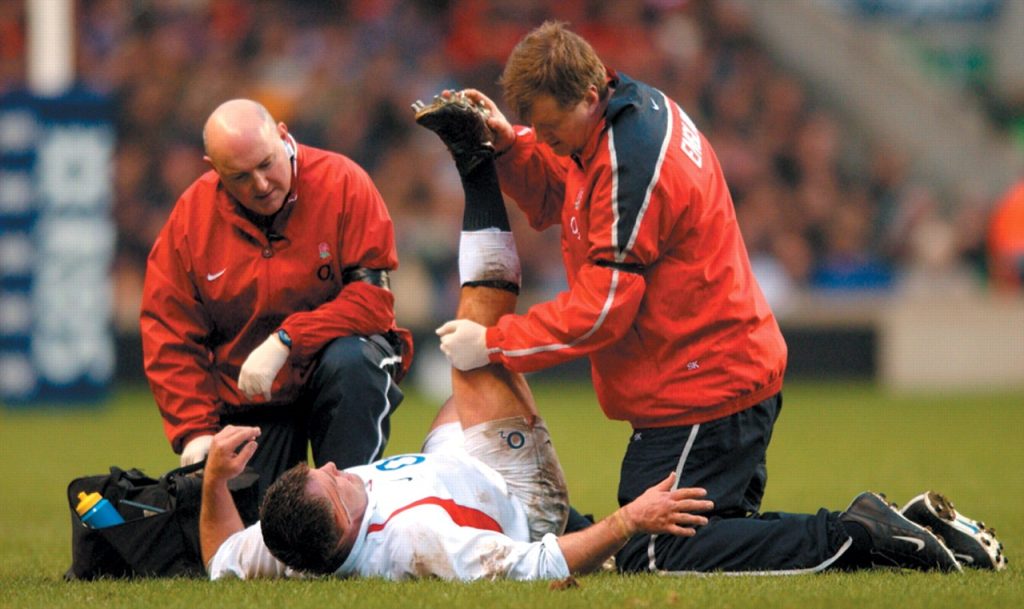
In the world of sports, injuries are often seen as setbacks, yet for many athletes, these challenging experiences have become catalysts for new beginnings. As they navigate the physical and emotional toll of injury, many athletes discover a newfound passion for physical therapy and sports medicine. Their firsthand experiences provide them with unique insights that not only benefit their own rehabilitation but also pave the way for innovative approaches in these fields.
The journey of an injured athlete often begins with the daunting realization of their limitations. After years of dedication to their sport, being sidelined can be a profound shock. However, as they undergo rehabilitation, many find themselves drawn to the healing process. The athletes who once trained for peak performance now have the opportunity to learn about the intricate workings of their bodies, as well as the therapeutic techniques that promote recovery. This experience often ignites a desire to help others navigate similar challenges.
For many, the transition from athlete to therapist or sports medicine professional seems like a natural progression. These individuals possess an intimate understanding of the physical demands of sports and the psychological impact of injury. They have experienced the frustration of rehabilitation and the triumph of recovery, which allows them to empathize deeply with their future patients. This empathy is crucial in creating effective treatment plans, as these former athletes can tailor approaches that resonate with the struggles of their clients.
Athletes transitioning into physical therapy or sports medicine are uniquely positioned to advocate for a more holistic approach to rehabilitation. Their journey highlights the importance of mental wellness alongside physical recovery. Many athletes recognize that the psychological aspects of healing are just as critical as the physical ones. As they step into new roles, they emphasize the need for supportive environments that prioritize mental health, resilience, and motivation. This shift in perspective is beginning to influence treatment protocols, leading to more comprehensive care models that acknowledge the mind-body connection.
Moreover, injured athletes are often at the forefront of innovations in rehabilitation practices. Their experiences drive them to explore and sometimes challenge traditional methods. They seek out cutting-edge therapies, such as sports psychology techniques, advanced physiotherapy modalities, and nutritional strategies that can enhance recovery. As they immerse themselves in the latest research, these former athletes become advocates for evidence-based practices, pushing the boundaries of what is possible in rehabilitation.
In addition to influencing treatment methods, injured athletes are also taking on roles as educators within the field. Many choose to pursue advanced degrees or certifications in physical therapy, athletic training, or sports medicine. They often return to their communities to share their knowledge and experiences, mentoring young athletes who may face similar challenges. By doing so, they are not just helping individuals recover; they are also fostering a culture of resilience and awareness surrounding injury and rehabilitation.
This transition is not without its challenges, however. While their experiences can be incredibly valuable, the journey into a new profession requires a different skill set. Former athletes must adapt to a learning environment that is often markedly different from the world of competitive sports. They may grapple with self-doubt as they navigate academic and clinical settings. Yet, the perseverance that fueled their athletic careers often serves them well in this new arena. They learn to approach their studies and clinical experiences with the same dedication and discipline they once applied to their sport.
As they build their new careers, many former athletes also engage in advocacy work, highlighting the importance of accessible physical therapy and sports medicine services. They understand firsthand the barriers that can exist in the healthcare system, particularly for underserved populations. By sharing their stories, they raise awareness about the need for better resources, insurance coverage, and support for all individuals experiencing injuries, not just professional athletes.
In the broader context, the impact of injured athletes on the fields of physical therapy and sports medicine is profound. They challenge existing paradigms, advocate for innovative practices, and contribute to a more empathetic and holistic approach to care. Their stories inspire others to see injury not merely as an endpoint but as an opportunity for growth and transformation.
The journey from athlete to therapist is a powerful testament to resilience and adaptability. Through their unique perspectives and experiences, these individuals are not only reshaping their own lives but are also contributing to the evolution of a vital field. As they continue to pioneer new paths in physical therapy and sports medicine, they remind us all of the strength that comes from overcoming adversity and the importance of supporting one another in the journey of recovery.