

Behind the Whistle: How Student-Athletes Are Transitioning to Coaching Careers

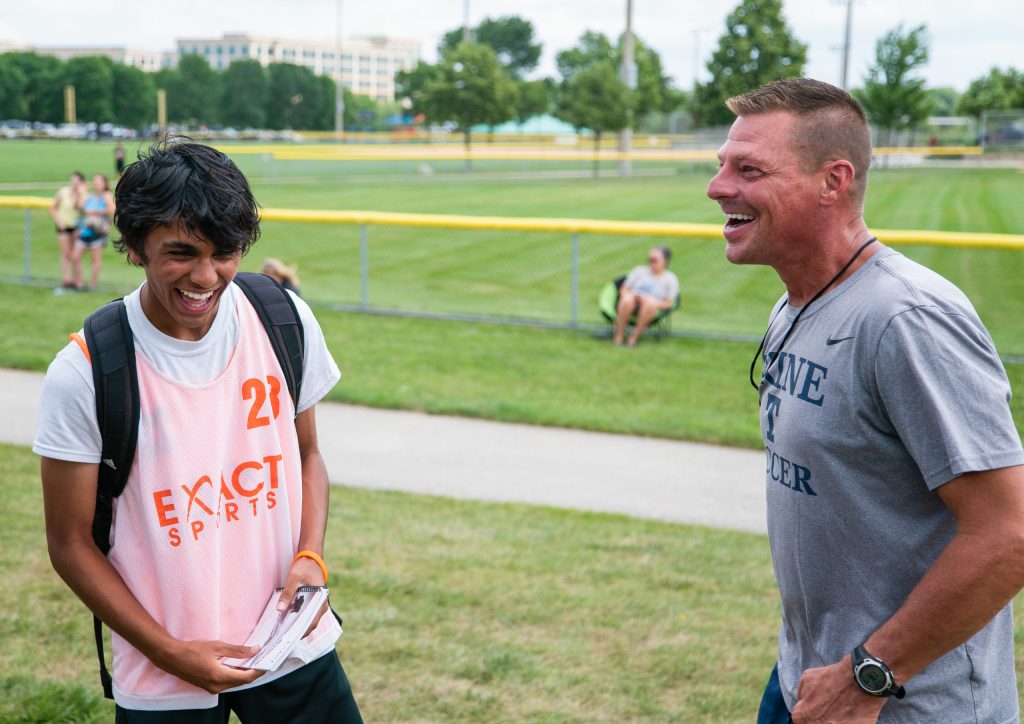
For many student-athletes, their time on the playing field is just one chapter of their involvement in sports. As their playing days come to an end, some athletes find themselves drawn to coaching as a way to stay connected to the game they love. This transition, from being a competitor to a mentor, is increasingly popular as student-athletes leverage their firsthand experience to build careers as coaches. The journey into coaching provides these former athletes with a way to share their passion and knowledge while also building on the leadership skills they honed as players.
But how exactly do student-athletes make this leap into coaching, and what challenges and rewards await them on the other side?
The Athlete-to-Coach Pipeline
The transition from student-athlete to coach is often a natural one. Athletes spend years immersed in their sport, learning strategies, techniques, and the intricacies of team dynamics. This deep understanding gives them a foundation to teach and mentor others. The qualities that make successful athletes—discipline, perseverance, adaptability—also lend themselves well to coaching. Many athletes are accustomed to being leaders on their teams, guiding younger players and serving as role models. Coaching allows them to expand on these skills in a formal setting.
For many, the coaching journey begins even before their playing days are over. Student-athletes often take on roles as mentors for their younger teammates, helping them adjust to the team’s system, offering advice on balancing academics and athletics, and setting an example through their work ethic. In many ways, these informal leadership roles lay the groundwork for a career in coaching, as athletes learn the importance of communication, motivation, and support in fostering team success.
Some student-athletes also start by serving as graduate assistants or assistant coaches after their playing eligibility has expired. These entry-level roles give them hands-on experience working with athletes while learning from more seasoned coaches. In this way, former athletes can slowly transition from being on the field to guiding from the sidelines, gaining a deeper understanding of coaching responsibilities and the broader aspects of team management.
Leveraging Experience as a Competitive Edge
One of the biggest advantages that former student-athletes have when transitioning to coaching is their personal experience. They understand the pressures, challenges, and demands placed on today’s athletes because they have lived it. This gives them a unique ability to connect with their players on a deeper level. Whether it’s understanding the mental and emotional strain of competing at a high level or offering practical advice on how to balance athletics with academics, former athletes bring a level of empathy and insight that sets them apart from other coaching candidates.
Moreover, athletes who have competed at the collegiate level are already familiar with the structure and expectations of college sports. They understand the recruitment process, the rigors of training, and the commitment required to excel both on the field and in the classroom. This familiarity allows them to hit the ground running when transitioning into coaching roles, and many institutions see this as a valuable asset.
In fact, many successful coaches today are former athletes who have used their playing experience as a springboard. Their firsthand knowledge not only enhances their credibility with players but also informs their coaching philosophy. Whether it’s applying the techniques that worked for them as athletes or avoiding the pitfalls they encountered during their careers, former athletes can draw on their own journeys to shape the way they coach.
Overcoming the Challenges
While former student-athletes have many advantages when transitioning to coaching, the shift is not without its challenges. The most obvious is moving from player to authority figure. As athletes, they were accustomed to following instructions, but as coaches, they must now be the ones giving direction. This can be particularly difficult for younger coaches who are close in age to the players they are coaching. Establishing authority while still maintaining the rapport they enjoyed as players requires a delicate balance.
Additionally, the coaching world is highly competitive. Just as there is fierce competition on the playing field, there is also stiff competition for coaching jobs, especially at the collegiate and professional levels. Former athletes may need to spend years working as assistants or in lower-tier programs before they get the opportunity to lead their own teams. This can be a humbling experience for athletes who are used to being in the spotlight.
There is also the reality that being a great athlete does not automatically translate into being a great coach. Coaching requires a different set of skills, including the ability to strategize, make tough decisions, and manage a diverse group of personalities. While former athletes bring valuable experience, they must also be willing to learn and develop the skills that will make them successful coaches.
Building on Leadership and Mentorship
For many student-athletes, the transition to coaching is not just about staying connected to the sport—it’s also about giving back. Coaching offers them the opportunity to help the next generation of athletes reach their full potential. Many former athletes view coaching as a way to pass on the lessons they learned as players, from overcoming adversity to developing a strong work ethic.
In this sense, coaching is a natural extension of the leadership roles student-athletes often take on while playing. The ability to mentor younger players, provide guidance, and foster a positive team culture is at the heart of coaching. For former athletes, this role offers immense personal satisfaction. They can help shape not only their players’ athletic abilities but also their character, preparing them for life both on and off the field.
As more student-athletes make the transition to coaching, they bring with them a wealth of experience, insight, and passion. Their journey from player to coach is not always easy, but for those who make the leap, the rewards—both personal and professional—are profound. Through coaching, these former athletes can continue to influence the game they love while shaping the lives of future athletes.