

Can Student-Athletes Save College Newspapers?

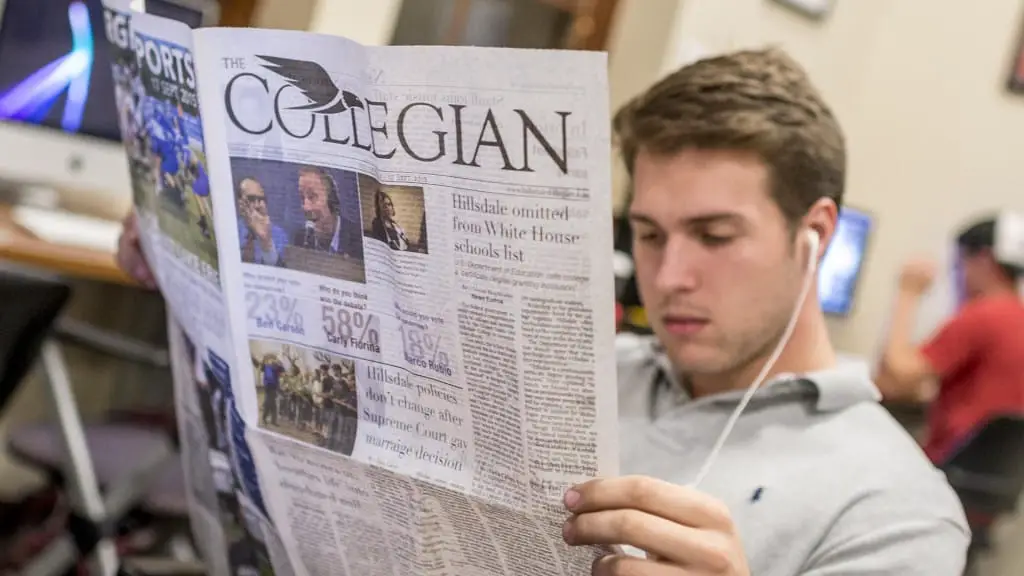
In an age where digital media reigns supreme and traditional print journalism faces unprecedented challenges, college newspapers are grappling with the question of survival. Many campus publications have seen dwindling readership and revenue, leading to significant cuts in staff and resources. Amidst these difficulties, student-athletes may hold the key to revitalizing these vital student-led publications, bringing not only their star power but also a fresh perspective on journalism.
The relationship between student-athletes and college newspapers has historically been complex. Often, athletes find themselves in the spotlight, their stories splashed across pages and screens, yet the same media outlets may overlook the challenges they face. However, by fostering a more collaborative relationship, both student-athletes and campus newspapers can benefit significantly. Athletes can bring attention to the publications while simultaneously gaining a platform to express their experiences, thoughts, and concerns.
One of the primary challenges facing college newspapers is declining engagement. Many students, particularly underclassmen, may not feel a connection to their school’s newspaper, viewing it as an outdated medium. However, student-athletes possess a unique ability to bridge this gap. As leaders on campus, they can encourage their peers to engage with their school’s publication. By sharing their stories, whether about their sports journey or their academic struggles, they can humanize the newspaper and make it more relatable to the student body.
Moreover, the integration of athletes into the editorial process can lead to more compelling content. Their firsthand experiences provide valuable insights into the pressures of balancing academics and athletics, mental health challenges, and the importance of community support. These narratives can resonate with a broader audience, making the college newspaper a more engaging read. When student-athletes share their struggles and triumphs, they not only attract fellow athletes but also students from various backgrounds who can relate to the themes of perseverance and dedication.
Incorporating athletes into the newspaper’s leadership can also promote diversity in storytelling. Historically, college newspapers have been criticized for their narrow focus on certain topics, often sidelining issues that are crucial to the student body. By involving student-athletes in editorial roles, newspapers can diversify their content, covering a wider range of subjects from mental health initiatives to discussions about equity in sports. This inclusion can empower athletes and encourage a more comprehensive approach to journalism on campus.
Another avenue for collaboration lies in leveraging social media. Many student-athletes have substantial followings on platforms like Instagram and Twitter, making them powerful advocates for the college newspaper. By sharing articles, highlighting important stories, or even participating in social media takeovers, athletes can drive traffic to the newspaper’s website or social media channels. This synergy not only boosts readership but also reinforces the idea that the newspaper is an essential part of campus life.
Financial sustainability is another critical issue for college newspapers. With dwindling advertising revenue, many publications struggle to maintain operations. However, student-athletes can play a role in attracting sponsorships and partnerships. Their visibility and popularity can help create relationships with local businesses and organizations looking to reach the student demographic. By promoting events, initiatives, or even products, athletes can assist in generating income for the newspaper, allowing it to expand its reach and offerings.
Furthermore, student-athletes often have unique access to events and experiences that can be invaluable to college newspapers. From exclusive interviews with coaches to behind-the-scenes coverage of games and training sessions, their insights can lead to rich, engaging content that attracts readers. By collaborating with the newspaper, athletes can create a more dynamic relationship where their stories and experiences are highlighted while providing the newspaper with unique content that sets it apart from other media outlets.
The potential for student-athletes to save college newspapers extends beyond mere engagement and visibility. They can advocate for the importance of student journalism as an essential component of a vibrant campus culture. Many athletes understand the pressures of public scrutiny and the power of storytelling. By championing their campus newspaper, they can inspire fellow students to recognize the value of journalism in amplifying voices, addressing critical issues, and fostering community.
As college newspapers navigate the complexities of a changing media landscape, student-athletes represent a unique opportunity for revitalization. Their influence, experiences, and connection to the student body can help bridge the gap between traditional journalism and modern student interests. By embracing collaboration, both parties can create a thriving environment where stories are shared, voices are amplified, and the spirit of the campus is captured in a way that resonates with everyone.
In a world where many traditional media outlets struggle to find their footing, the partnership between student-athletes and college newspapers could set a precedent for how campus journalism evolves. By recognizing the shared goals of storytelling, community engagement, and fostering a sense of belonging, both athletes and newspapers can pave the way for a brighter future, ensuring that the voices of student life continue to be heard loud and clear. The journey toward revitalizing college newspapers may well be a team effort, and with student-athletes at the helm, the possibilities for success are boundless.