

Athlete or Artist? How Creative Talents Are Thriving Alongside College Sports

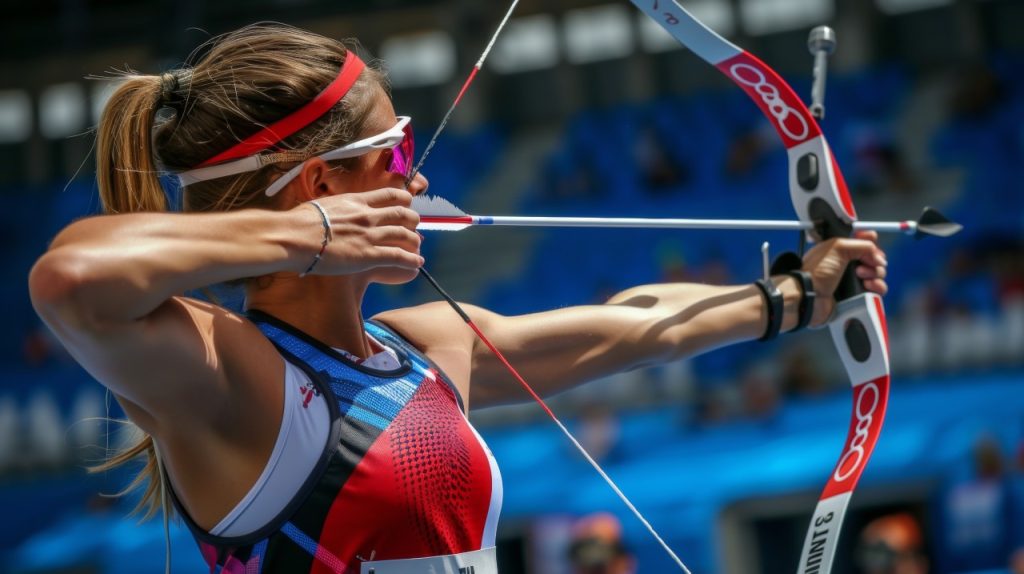
The image of a college athlete is typically associated with early morning practices, rigorous training sessions, and a constant grind to maintain physical and mental peak performance. However, a growing number of student-athletes are redefining this image, embracing their artistic sides alongside their athletic pursuits. Whether it’s painting, music, writing, or photography, these athletes are proving that creativity and sports are not mutually exclusive. In fact, for many, the intersection of athletics and the arts is not only enriching their college experience but also shaping their future in unexpected ways.
Balancing the demands of college sports with creative outlets requires exceptional time management. Between practices, games, and academic responsibilities, many might wonder how student-athletes find time to explore their artistic passions. For some, the creative process is a much-needed break from the pressures of competition. It offers an outlet to express themselves in a way that athletic performance may not allow. After a challenging day of training, painting a landscape, strumming a guitar, or sketching a design can be a therapeutic experience that helps them unwind and reconnect with themselves.
Take, for example, the case of a student-athlete who competes in soccer but spends her free time in the art studio, drawing and painting. For her, the discipline required on the field translates seamlessly into her artistic practice. She approaches her artwork with the same focus and dedication that she brings to soccer, pushing herself to improve with every sketch or stroke of the brush. The creative process is not just a hobby—it’s a part of her identity, a way to express emotions and thoughts that don’t always find a place in the competitive world of sports.
Music, too, has found its way into the lives of many student-athletes. Whether through songwriting, playing an instrument, or even DJing, the rhythmic nature of music often complements the flow and cadence of athletic training. For one track and field athlete, music became a constant companion during long solo runs. What started as a way to pass the time evolved into a deeper exploration of music production. After practices, he would retreat to his dorm room and experiment with digital audio software, creating beats and experimenting with different genres. For him, music provided a way to channel the mental toughness he had developed in sports into a creative form of expression that felt equally fulfilling.
The connection between athletics and the arts isn’t just about relaxation or self-expression—it can also offer new perspectives and enhance an athlete’s performance on the field. Engaging in creative activities can improve cognitive function, enhance problem-solving skills, and encourage adaptability. Just as athletes learn to improvise and adjust during games, artists often find themselves improvising during the creative process. A photographer might change angles or adjust lighting to capture the perfect shot, while a basketball player adapts to the dynamics of the game in real-time. The mental flexibility developed in artistic pursuits can translate into quicker decision-making and sharper instincts during athletic competition.
Writing is another creative outlet that many student-athletes explore. Whether journaling, blogging, or writing fiction, the process of putting thoughts into words can be both reflective and empowering. For one basketball player, writing became a way to process the ups and downs of his athletic journey. The challenges of balancing academics and sports, dealing with injuries, and the pressure of performing at a high level were all documented in his personal journal. Over time, this private writing evolved into a public blog where he shared his experiences with a wider audience. Through storytelling, he was able to connect with other athletes, coaches, and fans in a way that went beyond his achievements on the court.
What’s interesting is that the arts, much like sports, often demand a deep sense of discipline and commitment. In both realms, mastery is a long-term process that requires patience and persistence. A dancer, much like a gymnast, must rehearse and refine their movements repeatedly until they achieve fluidity and precision. A writer, like a distance runner, must work through mental blocks and moments of doubt, trusting that consistency will yield progress. The grit developed in sports can directly fuel an athlete’s artistic endeavors, while the creative freedom found in the arts can help athletes manage the rigidity and structure of their sports schedules.
Beyond college, these dual talents open up a range of career opportunities for student-athletes. Some may continue to pursue professional athletic careers, while others may decide to focus on their artistic abilities. For example, former college athletes have gone on to become successful artists, musicians, filmmakers, and designers. The skills they learned in sports—resilience, perseverance, and time management—have proved invaluable in their creative pursuits. Others have found ways to merge their two passions, working in fields like sports photography, sports marketing, or even creating art that captures the spirit of athletic competition.
Moreover, the rise of social media and digital platforms has made it easier than ever for student-athletes to showcase both their athletic and creative talents. Instagram, YouTube, and TikTok offer platforms where athletes can share their art, music, or writing with a global audience. What was once a side hobby can now become a personal brand, attracting fans and followers who are interested in the athlete’s journey both on and off the field. This visibility not only opens up creative opportunities but can also lead to sponsorship deals, collaborations, and even entrepreneurial ventures.
The intersection of athletics and the arts is more than just a balancing act—it’s a fusion of disciplines that brings out the best in both worlds. Student-athletes who embrace their creative sides are redefining what it means to be a college athlete. They are proving that one can excel in sports while cultivating a passion for art, music, writing, or design. In doing so, they are shaping richer, more well-rounded identities that will serve them long after their athletic careers come to an end.