

Breaking the Mold: How Non-Traditional Sports Are Gaining Ground in College Athletics

College athletics has long been dominated by traditional sports like football, basketball, and baseball. These mainstream sports have enjoyed the spotlight for decades, drawing massive crowds, commanding major media attention, and inspiring fierce rivalries. However, in recent years, there’s been a noticeable shift in the college sports landscape as non-traditional sports gain ground, offering a new kind of excitement and fostering a more inclusive environment for student-athletes. Sports that were once considered niche or even unconventional are now becoming integral parts of collegiate athletic programs, breaking the mold of what college sports can be.
One major force driving this shift is the growing recognition of the wide range of talents and interests among student-athletes. Colleges and universities are increasingly embracing sports that challenge traditional norms, providing athletes with more opportunities to pursue their passions. Non-traditional sports like ultimate frisbee, triathlon, rugby, esports, and even Quidditch (yes, inspired by the Harry Potter series) have become legitimate options for students to compete and excel at the collegiate level.
Take rugby, for example. Although it’s been played for years on club teams, it has started to establish a significant presence in college athletics, with more and more schools offering varsity rugby programs. With its fast pace, high physicality, and emphasis on teamwork, rugby has become a sport that resonates with a new generation of student-athletes. Programs like those at Lindenwood University and Life University have been especially successful, gaining national attention and proving that rugby has a place in American college sports. Its inclusiveness, with both men’s and women’s teams thriving, has only added to its appeal.
Another non-traditional sport making waves in college athletics is triathlon. While individual endurance sports like track and swimming have been around for ages, triathlon’s combination of swimming, biking, and running has attracted a growing number of athletes looking for something different. In 2014, triathlon became an NCAA emerging sport for women, and since then, it has grown in popularity across universities nationwide. Schools like Arizona State University have been at the forefront, leading the charge and encouraging the sport’s growth with dedicated training facilities and coaching staff. The unique challenge of excelling in three disciplines has captured the imaginations of athletes who thrive on pushing their physical limits in diverse ways.
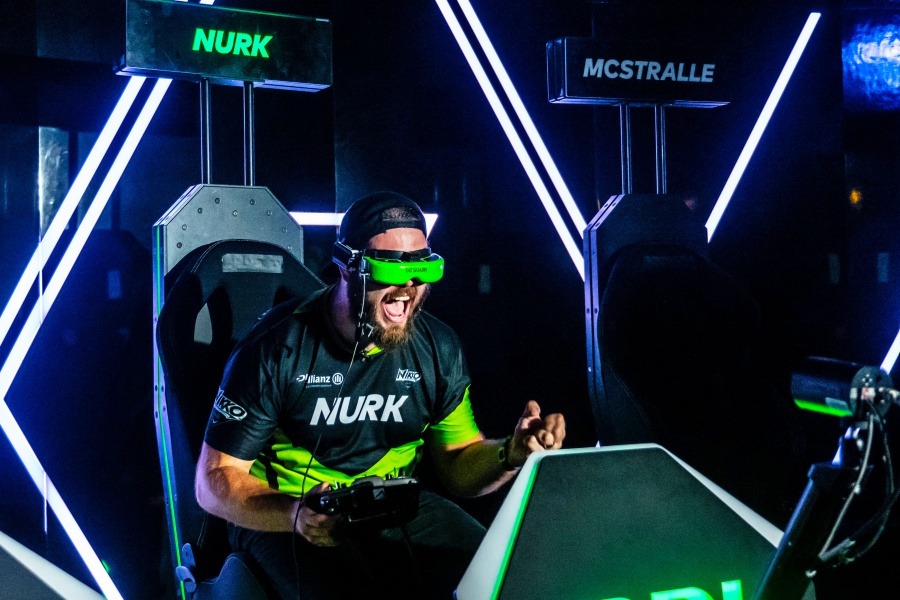
One of the most fascinating developments in recent years has been the rise of esports in college athletics. Competitive video gaming might seem like a far cry from traditional sports, but esports has rapidly evolved into a global phenomenon, with professional leagues, sponsorship deals, and millions of fans. Colleges have taken notice, and esports programs have sprung up at institutions across the country. Schools like the University of California, Irvine, and Ohio State University have built esports arenas, offered scholarships to top gamers, and integrated esports into their athletic departments. This new frontier in college sports is not only redefining what it means to be an athlete but also highlighting the power of strategy, teamwork, and digital literacy in competition.
For student-athletes who don’t fit the mold of the classic football player or basketball star, non-traditional sports offer an opportunity to carve out their own identity. These sports foster inclusivity, attracting athletes from diverse backgrounds who may not have had the chance to shine in more conventional athletic programs. Additionally, non-traditional sports tend to emphasize community and camaraderie, creating strong bonds among teammates. This has been particularly true in sports like ultimate frisbee, where a focus on sportsmanship and mutual respect is built into the culture.
Ultimate frisbee is a perfect example of a sport that, while not enjoying the same media coverage as other collegiate sports, has developed a passionate following. Its unique combination of athleticism, strategy, and spirit of the game (self-officiating) has led to the growth of college ultimate programs across the country. The sport’s inclusiveness and relatively low barriers to entry have made it a great option for students looking to stay active and competitive without the intense pressures of traditional college athletics. Ultimate frisbee has thrived as a club sport for years, but the momentum is there for it to expand further into varsity-level competition.
One of the most surprising developments in college athletics has been the rise of Quidditch, the magical sport from the Harry Potter universe. While it may have started as a playful, fictional game, Quidditch has evolved into a real-world sport, complete with leagues, tournaments, and serious competition. Colleges and universities across the country have embraced Quidditch as a fun, quirky, yet demanding sport. Teams from schools like Middlebury College (where Quidditch was first played) and the University of Texas have shown that, while it might look unconventional, Quidditch players are just as dedicated, competitive, and physically engaged as athletes in any other sport. Its popularity speaks to a shift in what students value in their athletic experiences—creativity, community, and fun are just as important as winning.
The rise of these non-traditional sports also points to a broader cultural shift. As colleges and universities seek to foster more inclusive environments, they recognize the importance of catering to a wider range of student interests. Athletics is no longer just about excelling at a few select sports; it’s about giving all students the chance to participate, compete, and thrive. Non-traditional sports provide this opportunity, allowing students to discover new talents, build lifelong friendships, and challenge themselves in ways they never expected.
As these sports continue to gain momentum, they are not only breaking the mold of college athletics but also expanding the possibilities for what sports can offer. Whether through the physical intensity of rugby, the strategic depth of esports, or the pure fun of Quidditch, non-traditional sports are proving that there’s no one way to be an athlete. And in doing so, they are helping to create a richer, more inclusive athletic landscape for everyone involved.