

The Science of Success: How Sports Psychology is Giving Student-Athletes the Mental Edge

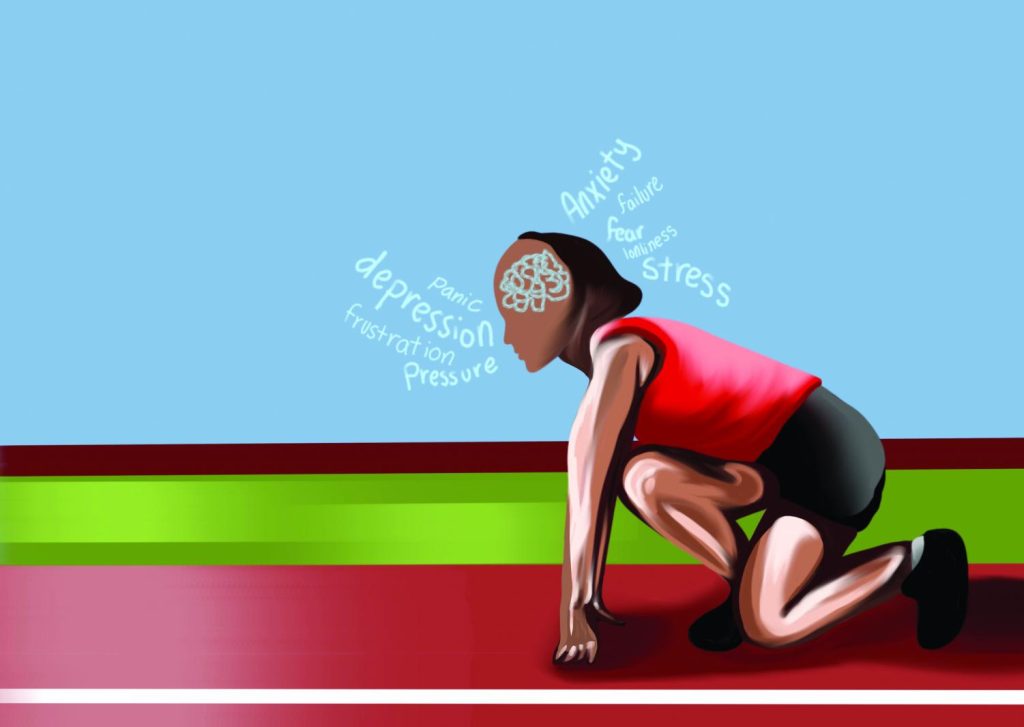
In the high-pressure world of college athletics, physical ability often takes center stage. Athletes are celebrated for their speed, strength, and skill, and rightly so. But in recent years, a growing number of student-athletes, coaches, and sports professionals have started recognizing another critical factor in success: the mind. Sports psychology, once a niche area, is rapidly becoming a cornerstone of athletic development, helping student-athletes gain the mental edge necessary to thrive in competition. By focusing on mental strategies, emotional regulation, and psychological resilience, sports psychology offers athletes tools to enhance performance, overcome obstacles, and find success both on and off the field.
The mental aspect of sports can sometimes be overlooked in the face of intense training regimens and physical conditioning. However, the pressure to perform at an elite level often leads to mental and emotional challenges that, if left unaddressed, can hinder an athlete’s potential. Stress, anxiety, and self-doubt are common experiences for student-athletes who juggle the demands of academics, athletics, and personal life. This is where sports psychology comes into play. By utilizing techniques such as goal setting, visualization, mindfulness, and emotional regulation, athletes can build mental toughness, increase focus, and manage the psychological demands of high-level competition.
One of the key aspects of sports psychology is the development of mental toughness. In sports, challenges are inevitable. Whether it’s a losing streak, an injury, or even the pressure of a championship game, athletes are constantly facing adversity. Sports psychology teaches athletes how to embrace challenges rather than fear them. It focuses on shifting the athlete’s mindset from seeing difficulties as roadblocks to viewing them as opportunities for growth. This mental resilience is essential, as the ability to bounce back from setbacks can be the difference between success and failure in the long run.
Visualization is another powerful tool that sports psychologists encourage athletes to use. It’s the practice of mentally rehearsing an athletic performance in detail, imagining every movement, sensation, and emotion. This technique is more than just daydreaming—it has a proven impact on performance. When athletes visualize themselves executing their skills perfectly, they are effectively training their brains in the same way they would by physically practicing. Visualization helps athletes build confidence, reduce anxiety, and improve muscle memory, allowing them to perform better when it matters most.
Mindfulness, a form of mental training that encourages athletes to focus on the present moment, has also gained traction in the sports world. Student-athletes often deal with distractions, whether it’s the expectations of others, the outcome of the game, or personal stressors. Mindfulness teaches athletes to stay grounded in the present, enhancing concentration and reducing the mental clutter that can lead to mistakes. Athletes who practice mindfulness can quiet the inner dialogue that fuels doubt and anxiety, enabling them to perform with clarity and precision.
Emotional regulation is a critical component of sports psychology, particularly for athletes who must maintain composure under pressure. In high-stakes competitions, emotions can run high, and unchecked anger, frustration, or fear can derail even the most skilled athlete. Sports psychologists help student-athletes develop strategies to control their emotional responses, allowing them to stay focused and poised in the face of adversity. By learning how to manage emotions, athletes are better equipped to make quick decisions, adapt to unexpected changes, and maintain their composure during critical moments.
The mental edge provided by sports psychology is especially important in team sports, where communication and group dynamics play a significant role. A team’s success often depends not only on individual performance but also on how well players work together. Sports psychologists work with teams to improve communication, trust, and cohesion. They help athletes understand their roles within the team and teach them how to handle conflicts in a constructive way. A united team with strong mental fortitude is often more successful than a group of highly skilled individuals who lack chemistry or struggle with internal conflict.
Furthermore, sports psychology can be a powerful tool in helping athletes manage the inevitable transitions in their careers. For student-athletes, the end of a college sports career can be a significant emotional event, as many have dedicated their lives to their sport and may struggle with the identity shift that comes with moving on. Sports psychologists help athletes navigate this transition by providing them with coping strategies, helping them set new goals, and guiding them toward their next chapter—whether that’s in professional sports, a career outside of athletics, or personal development.
Beyond competition, the benefits of sports psychology extend into other areas of life as well. The mental strategies that athletes learn can help them excel academically, handle the stresses of everyday life, and develop a strong sense of self-worth. By learning to manage their thoughts, emotions, and behaviors, student-athletes can carry the lessons of sports psychology into their careers, relationships, and personal endeavors long after their athletic careers have ended.
As sports psychology continues to evolve, its impact on student-athletes is becoming undeniable. It is no longer just about improving performance on the field, court, or track; it’s about developing well-rounded athletes who are equipped to handle the mental and emotional challenges of competition and life beyond sports. With the right mindset, athletes can tap into their full potential, using their mental toughness, focus, and emotional resilience to rise above challenges and achieve greatness.
For student-athletes seeking that competitive edge, sports psychology is more than just a tool—it’s a game-changer. In a world where milliseconds and inches can separate champions from runners-up, the mental game is often the deciding factor. By embracing the science of success and harnessing the power of the mind, student-athletes can set themselves apart, unlocking not only their athletic potential but also their capacity to succeed in all aspects of life.