

Navigating Transitions: From High School to College Sports

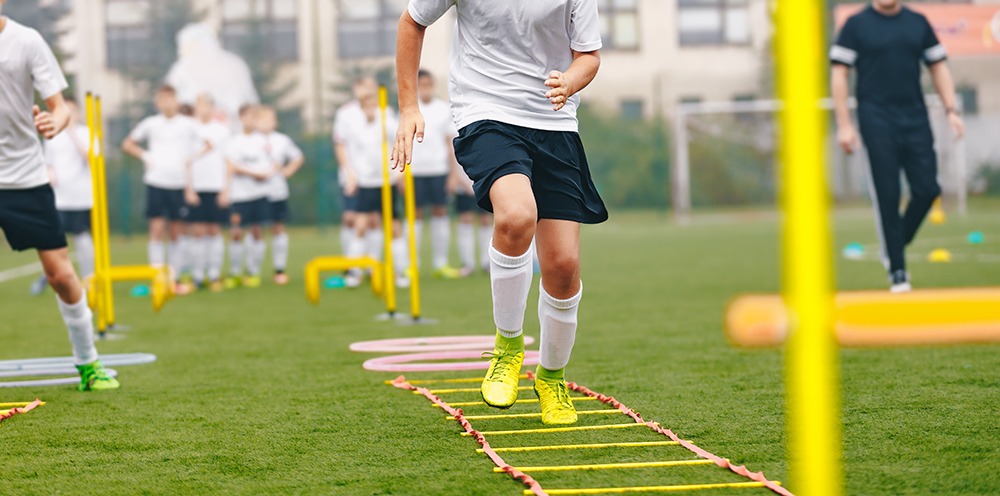
The transition from high school to college sports is a significant milestone for student-athletes. It marks the beginning of a new chapter filled with heightened competition, increased responsibilities, and the challenge of balancing academics with a more demanding athletic schedule. For many, this shift can be both exciting and daunting. Successfully navigating this transition requires preparation, adaptability, and a strong support system.
The Increased Level of Competition
One of the most noticeable differences between high school and college sports is the level of competition. In high school, student-athletes may have been among the top performers on their teams, but in college, they are surrounded by athletes who were also the best in their respective high schools. The talent pool is deeper, and the expectations are higher. This increased level of competition can be intimidating, but it also presents an opportunity for growth.
To navigate this challenge, it’s essential for student-athletes to embrace a growth mindset. Rather than seeing the increased competition as a threat, they should view it as a chance to improve and push their limits. College coaches often seek athletes who are coachable and willing to learn, so being open to feedback and committed to continuous improvement is crucial. Additionally, athletes should focus on their strengths while also working on areas that need development. This balanced approach can help them stand out in a highly competitive environment.
Balancing Academics and Athletics
Another major challenge that comes with the transition to college sports is the need to balance academics with a more rigorous athletic schedule. In college, student-athletes are expected to maintain their academic performance while dedicating significant time to training, practice, and competitions. This can be overwhelming, especially for those who are adjusting to the independence and self-discipline required in college life.
Time management is the key to successfully balancing academics and athletics. Student-athletes should create a structured schedule that allocates time for classes, study sessions, practice, and rest. It’s important to prioritize tasks and avoid procrastination. Many colleges offer academic support services specifically for student-athletes, such as tutoring, study halls, and academic advising. Taking advantage of these resources can make a significant difference in managing the demands of college life.
Moreover, communication is vital. Student-athletes should maintain open lines of communication with their professors and coaches. If conflicts arise between academic and athletic commitments, addressing them early and seeking solutions is important. Many professors are understanding of the unique challenges faced by student-athletes and are willing to work with them to find a balance.
Developing Independence and Self-Motivation
College life offers a level of independence that is both liberating and challenging. For many student-athletes, this is the first time they are living away from home, managing their own schedules, and making decisions without the direct oversight of parents or high school coaches. This newfound independence requires a high degree of self-motivation and personal responsibility.
To thrive in this environment, student-athletes must learn to be proactive in managing their time, health, and well-being. This includes establishing routines that support their athletic and academic goals, such as maintaining a balanced diet, getting enough sleep, and practicing good mental health habits. It’s also important to build a support network of teammates, coaches, academic advisors, and friends who can provide guidance and encouragement.
Self-motivation is particularly important when it comes to training and practice. In college, the level of commitment required is much higher than in high school, and there may be times when the demands of the sport feel overwhelming. Setting clear, achievable goals and reminding themselves of why they chose to pursue college athletics can help student-athletes stay motivated and focused.
Building Strong Relationships with Coaches and Teammates
The relationships student-athletes build with their coaches and teammates are crucial to their success and overall experience in college sports. Unlike high school, where teams are often smaller and more close-knit, college teams can be larger and more diverse, with athletes from different backgrounds and levels of experience. Developing strong bonds with teammates and coaches can create a supportive environment that enhances both performance and well-being.
For many student-athletes, their coach becomes one of the most influential figures in their college experience. It’s important to establish a positive, respectful relationship with the coach, characterized by open communication and trust. Athletes should be clear about their goals and expectations, listen to feedback, and demonstrate a willingness to put in the work required to succeed.
Building camaraderie with teammates is equally important. Team chemistry plays a significant role in a team’s success, and strong relationships off the field often translate to better performance on the field. Participating in team activities, supporting teammates during competitions, and being a positive presence in the locker room can help foster a sense of unity and belonging.
Embracing the College Experience
While sports are a significant part of a student-athlete’s college life, it’s also important to embrace the broader college experience. This includes getting involved in campus activities, exploring new interests, and building friendships outside of the athletic community. College is a time for personal growth and exploration, and student-athletes should take advantage of the opportunities available to them.
Engaging in non-athletic activities can also provide a healthy balance and prevent burnout. Whether it’s joining a club, attending campus events, or volunteering, these experiences contribute to a well-rounded college life and can help student-athletes develop skills and interests that will serve them well beyond their athletic careers.
The transition from high school to college sports is a significant challenge, but it also offers tremendous opportunities for growth, learning, and success. By embracing the increased competition, balancing academics and athletics, developing independence, building strong relationships, and engaging in the full college experience, student-athletes can navigate this transition successfully and make the most of their college years. With the right mindset and support, they can thrive both on and off the field, setting the stage for a bright future in sports and beyond.